
24/7 Customer Support

Free returns

Same-day & Next-day Delivery

Quality Guaranteed

Unlock Your Welcome Offers: FREE Delivery | Up to 80% OFF | Free 30-day JoyPlus trial
Download the APP
Buying 1 litre gin can offer practical value for a home bar, party or cocktail cupboard, but a larger bottle is not automatically the right choice. The important details are often hidden behind attractive packaging, familiar branding and phrases such as “premium” or “crafted”.
This guide from the Joybuy Product Recommendation Officer helps UK adults compare 1L gin, single bottles and a gin multipack by strength, flavour, serving style and storage needs.
A 1-litre bottle contains more liquid than a standard 70cl bottle, but the price per 100ml can vary considerably. A pack of two may appear expensive at first glance, yet suit regular hosts or cocktail drinkers who would otherwise need to reorder frequently.
Before purchasing, compare:
A pink colour or decorative bottle may look suitable for a celebration, but it does not tell you whether the drink is dry, fruity, sweet or versatile in cocktails. Read the ingredients and serving suggestions carefully. A flavoured pink gin may work well with lemonade, tonic or sparkling wine, while a traditional London Dry Gin 1L is generally more adaptable for martinis, Negronis and classic gin and tonic serves.
Not every gin-style drink has the same alcohol content. The products listed here range from 25% ABV for a gin-based liqueur to 43% ABV for a higher-strength gin. Some flavoured spirit drinks may contain added sugar or fruit ingredients, so check the label rather than assuming that every 1 litre bottle has the same nutritional profile or alcohol units.
In the UK, alcohol is restricted to people aged 18 and over. Delivery may require age verification. Drink responsibly, and note that the UK Chief Medical Officers advise adults not to regularly exceed 14 units per week.
ABV shows the percentage of alcohol in the drink. A 1-litre bottle at 40% ABV contains approximately 40 UK alcohol units, although the exact figure depends on the product’s stated strength. For example:
Use the stated units on the product packaging when planning servings. A bigger bottle can remain in the cupboard for longer, but it does not reduce the alcohol content per measure.
London Dry Gin usually centres on juniper, with additional notes such as citrus, coriander, angelica, liquorice or spices. These flavours affect how well a gin works with tonic, soda and cocktail ingredients.
For a flexible gin for cocktails, look for a clear juniper and citrus profile. Fruit-led options may be more appropriate for lighter, sweeter serves. If you enjoy a straightforward gin and tonic, consider whether the product description suggests pairing it with citrus, tonic or soda.
Store unopened gin in a cool, dry place away from direct sunlight. Keep bottles upright and tightly closed. Flavour can gradually change after opening because of oxidation, particularly in flavoured products.
Check the ingredient and allergen information if buying for a guest. For example, J.J. Whitley Pink Gin lists wheat-derived grain spirit and may contain trace sulphites, while several London Dry Gin options list no allergens. Always confirm the packaging on arrival, as labelling can change.
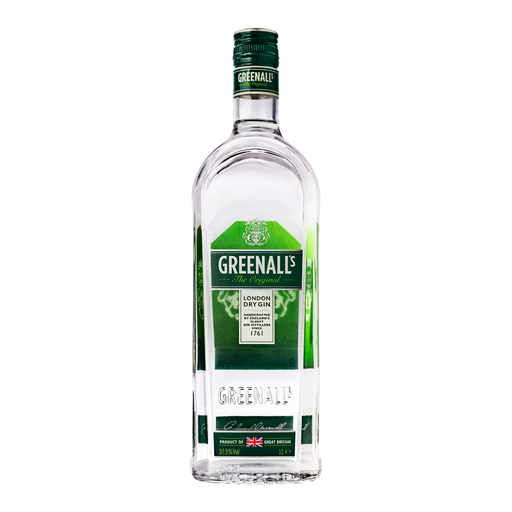
Why This Fits Their Persona: Its 1-litre format suits shoppers setting up a first home bar or looking for a practical bottle for simple highballs and classic serves.
The stated 41.3% ABV and 28.9 UK units per bottle make the strength clear, avoiding assumptions based only on bottle size.
A citrus-led profile with sweet and bitter orange notes; suitable for tonic, soda and cocktails.
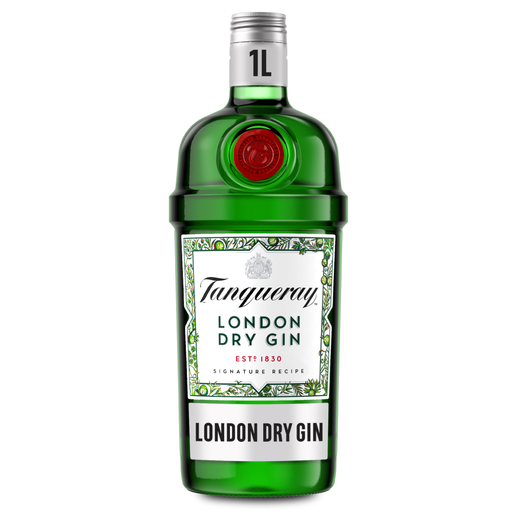
Why This Fits Their Persona: A 41.3% ABV London Dry Gin with four listed signature botanicals suits shoppers who value a classic, structured flavour for gifting or home-bar use.
The product information identifies the botanical style, distillation process and ABV rather than relying solely on heritage-led presentation.
Juniper, coriander, angelica and liquorice are listed; designed for gin and tonic, martini, Negroni and Gimlet serves.
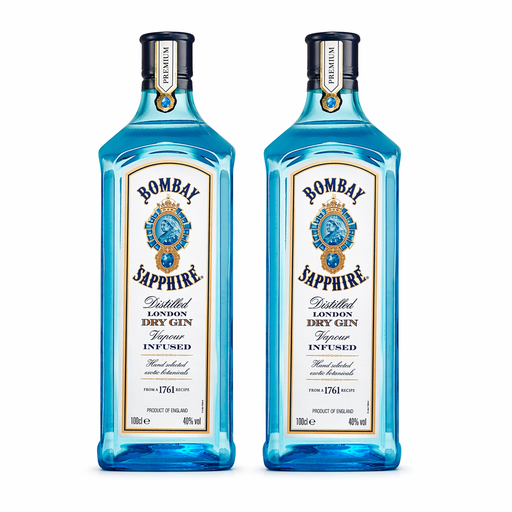
Why This Fits Their Persona: Two 1-litre bottles provide a substantial supply for hosts, cocktail makers and shoppers stocking a busy home bar.
The pack quantity and 40% ABV are stated clearly, so the buyer can assess total volume and alcohol strength before ordering.
Two 1-litre bottles; listed citrus, juniper and spicy botanical notes; suitable for classic gin cocktails.
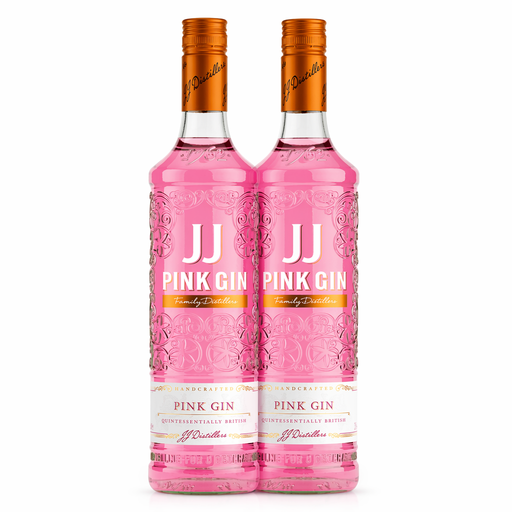
Why This Fits Their Persona: The blush colour and berry-led profile make this two-bottle format suitable for celebrations, sharing and a distinctive gin gift.
The listing states 37.5% ABV, wheat content and possible sulphites, helping shoppers check suitability beyond the pink appearance.
Strawberry, raspberry, juniper and orange notes; can be served with tonic, over ice or topped with chilled Prosecco.
A single 1 litre gin bottle may be more suitable when you are trying a brand, buying a gift or have limited storage. A pack of 2 gin is more practical for frequent entertaining, shared households or cocktail preparation, but check cupboard space and consumption plans first.
For a traditional British-style home bar, London Dry options such as Bombay Sapphire, Greenall’s, Tanqueray or J.J. Whitley provide familiar botanical foundations. For a sweeter, fruit-forward option, compare pink gin or a spirit drink with the stated ABV and sugar information. Pimm’s Original No. 1 Cup is a gin-based liqueur at 25% ABV and is generally considered for longer serves rather than a direct substitute for London Dry Gin.
We have compiled a complete, real-time list of products that fully satisfy these strict selection criteria and UK safety regulations.
It can be, but check the price per litre rather than relying on the larger format. A two-bottle multipack may also offer convenience, although the total purchase cost is higher.
Properly stored gin does not usually have a short expiry period, but its aroma and flavour can change over time after opening. Keep it tightly sealed, upright and away from heat and sunlight. Check the product label for specific storage guidance.