
24/7 Customer Support

Free returns

Same-day & Next-day Delivery

Quality Guaranteed

Unlock Your Welcome Offers: FREE Delivery | Up to 80% OFF | Free 30-day JoyPlus trial
Download the APP
For many UK households, rice is more than just a side dish—it's a daily staple. Buying a 10kg rice bag seems like a straightforward way to stock the pantry and save money, especially for large families or those who enjoy cuisines where rice is central. However, this simple purchase can be surprisingly tricky. Choosing the wrong type can lead to disappointing meals, and improper storage can turn a good value purchase into a costly mistake.
As a Joybuy Product Recommendation Officer, my role is to help you navigate these choices. This guide cuts through the clutter to focus on what truly matters, ensuring your next bulk rice purchase is the right one for your kitchen.
Before you add that large bag to your cart, be aware of a few common traps that can catch out even seasoned shoppers.
To avoid these issues, focus on a few key technical details. Understanding these will empower you to select the perfect rice for your needs.
The shape and starch content of the rice grain determine its texture when cooked. This is the most critical factor in matching a rice to a cuisine.
You may have seen the term parboiled rice (often called Sella rice) and wondered what it means. This is not a variety of rice but a processing method.
For certain premium rice types, origin is a mark of quality. For example, to ensure you are getting genuine Thai Jasmine rice, look for the green Thai Hom Mali Rice Certification Mark on the packaging. This seal is issued by Thailand's Department of Foreign Trade and confirms the rice meets specific quality and purity standards.
To make your choice easier, we have matched some popular 10kg rice options to different household needs and cooking styles.

Why This Fits Their Persona: This is for the home cook dedicated to authentic South Asian, Middle Eastern or African cuisine. Its parboiled nature is specifically suited for layered dishes like biryani, pulao, or Jollof, where grains must remain separate and not turn mushy.
It directly solves the "grain mismatch" pitfall. By choosing a parboiled rice, you are using a grain specifically processed to withstand the moisture and long cooking times of one-pot rice dishes.
The extra-long golden grains cook to a fluffy, non-sticky texture, absorbing flavours beautifully without breaking. It's also a great option for rice for catering.
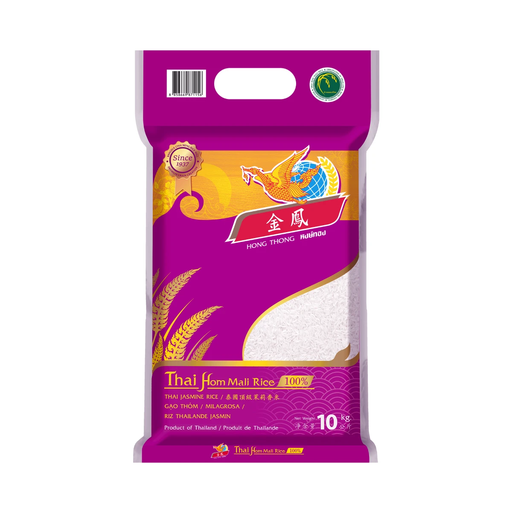
Why This Fits Their Persona: Ideal for households where rice is a daily staple alongside Chinese, Thai or Vietnamese meals. This is a versatile family size rice that delivers the comforting soft, fluffy texture and natural aroma expected in everyday home cooking.
This rice carries the official Thai Hom Mali Rice Certification Mark, protecting you from the "fragrant rice fa?ade." You are guaranteed authentic, quality-controlled jasmine rice.
Its certified authenticity ensures a consistent, naturally fragrant aroma and soft texture with every bag, making it a reliable pantry staple for a variety of meals.
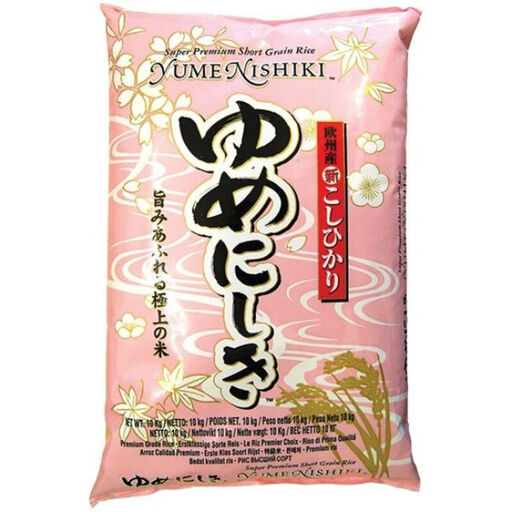
Why This Fits Their Persona: This is for the cook passionate about Japanese cuisine. Its short-grain properties provide the essential sticky, yet firm, texture needed to mould perfect sushi, shape onigiri or serve as the base for a delicious katsudon.
This is a purpose-specific sushi rice 10kg bag, ensuring you have the correct starch content and grain structure. It prevents the common mistake of trying to use a non-sticky long-grain rice for Japanese dishes.
It delivers the characteristic stickiness and gentle sweetness of Japanese rice, providing an authentic foundation for your culinary creations. The 10kg bag offers great value for frequent use.
We have compiled a complete, real-time list of products that fully satisfy these strict selection criteria and UK safety regulations.
To prevent spoilage and protect your investment, transfer the rice from its original paper or plastic sack into one or more large, airtight containers. Food-grade plastic, glass or metal containers with secure lids are ideal. Store them in a cool, dry and dark place like a pantry or cupboard, away from direct sunlight and moisture. This will protect the rice from pests, humidity and odours, preserving its quality for months.
While both are popular long-grain aromatic rices, they have distinct characteristics. Basmati rice, primarily from India and Pakistan, has a nutty aroma and its grains elongate significantly when cooked, remaining very separate and dry. It's the classic choice for biryani and pilaf. Jasmine rice, from Thailand, has a more floral, pandan-like aroma and cooks to a softer, slightly stickier texture, making it perfect for absorbing the sauces of Southeast Asian curries and stir-fries.
For households that consume rice several times a week, buying a 10kg bag almost always offers a lower price per kilogram compared to smaller 1kg or 2kg bags. The key is to ensure you have the proper storage to prevent waste. If you can use the rice within its shelf life (typically 1-2 years if stored correctly), buying in bulk is a very effective way to manage your grocery budget.