
24/7 Customer Support

Free returns

Same-day & Next-day Delivery

Quality Guaranteed

Unlock Your Welcome Offers: FREE Delivery | Up to 80% OFF | Free 30-day JoyPlus trial
Download the APP
Buying 10kg rice can reduce how often you shop and suit households, restaurants and caterers that cook regularly. However, a large bag is only good value if the grain matches your recipes, storage space and cooking habits. Choosing the wrong variety may leave you with sticky pilau, dry sushi rice or a bag that loses its aroma before you finish it.
This guide from the Joybuy Product Recommendation Officer explains what to check before buying, from grain type and origin to pack handling and cooking performance.
Words such as “aromatic”, “premium” and “authentic” do not describe the same cooking result. Thai jasmine rice is generally valued for its floral aroma and tender, slightly sticky texture, while basmati rice is known for longer, more separate grains. A standard long grain rice may be more neutral and versatile, but it will not necessarily provide the same fragrance for Thai curries or stir-fries.
Always check the ingredient description, country of origin and grain style rather than relying on front-of-pack language.
A 10kg bag takes up considerably more room than a 1kg or 5kg pack. Rice should be kept in a cool, dry place away from direct sunlight and moisture. Once opened, leaving the bag loosely folded can expose the contents to humidity, pests and unwanted odours.
For easier handling, divide the rice into clean, airtight containers. This is particularly useful in smaller UK kitchens, busy catering cupboards or warm utility rooms.
A grain that works well with curry may be unsuitable for sushi. Short grain rice releases more starch and develops a cohesive texture, whereas jasmine and basmati are generally selected when you want soft grains with more separation. Parboiled rice can provide a firmer, less sticky result, making it practical for pilau, jollof-style dishes and large-batch meal preparation.
Match the rice to the dishes you prepare most often:
If you are looking for authentic Asian rice, check whether the pack identifies Thailand, Cambodia, Vietnam, India or another growing region. “Jasmine rice” identifies the variety, but the origin can influence aroma, texture and culinary tradition.
Also check whether the ingredients list contains 100% rice, and review the allergen statement. Several products in this selection list no known allergens, while Golden Lily Jasmine Rice states that it may contain traces of soy, wheat, peanuts and tree nuts. Packaging remains the final reference for current allergen and nutritional information.
A 10kg pack is not automatically cheaper per serving than smaller bags, so compare the unit price where available. It is most practical for:
Consider how quickly you will use the bag. If your household cooks rice only occasionally, a smaller pack may help preserve freshness and reduce storage demands.
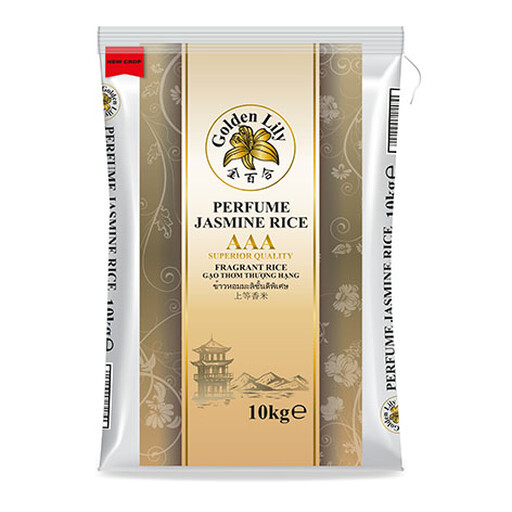
Why This Fits Their Persona: A straightforward 10kg jasmine rice option for households wanting one versatile bag for curries, stir-fries and steamed rice bowls.
The listing clearly identifies jasmine rice, a 10kg net quantity and a stated 1:1.5 rice-to-water cooking ratio.
Floral aroma, soft texture and a cooking method suitable for hob preparation.
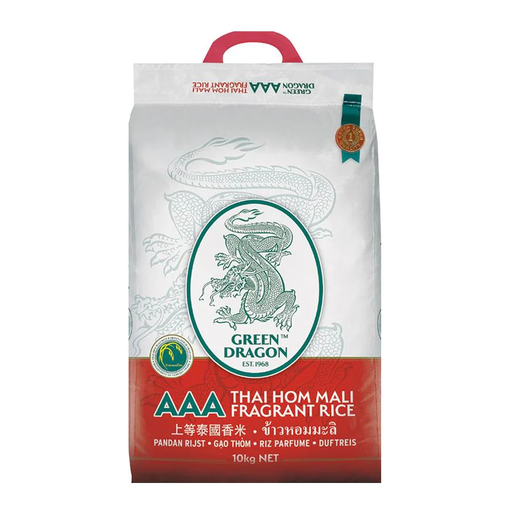
Why This Fits Their Persona: Suitable for cooks who prioritise Thai origin and a naturally fragrant rice for Southeast Asian meals.
The product information specifies 100% Thai Hom Mali jasmine rice, its country of origin and storage guidance.
Thai origin, long grains and stated 1:1.5 water ratio for covered saucepan cooking.
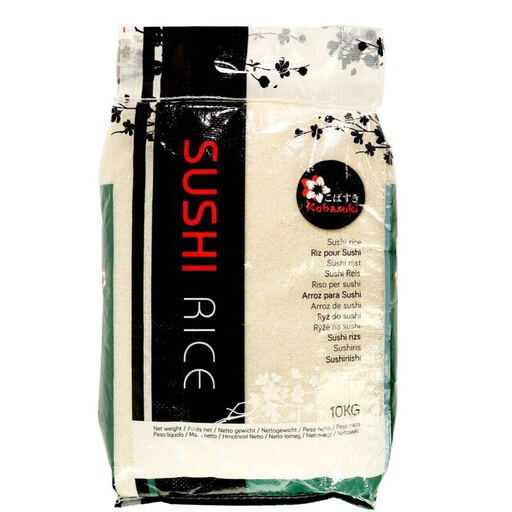
Why This Fits Their Persona: A practical match for sushi makers, Japanese-food enthusiasts, restaurants and caterers preparing cohesive rice dishes in larger quantities.
Its round grain and intended sushi use make the texture expectation clearer than choosing a generic long grain pack.
Short grain format, glossy cooked texture and stated suitability for sushi, rice bowls and Japanese dishes.

Why This Fits Their Persona: A useful choice for families and food-service users who prepare biryani, pilau, curries or large rice-based meals.
The listing identifies the rice as parboiled basmati and explains that it cooks to separate, fluffy grains.
Parboiled format and 10kg quantity, with suggested uses including biryani, pilau, fried rice and curries.
We have compiled a complete, real-time list of products that fully satisfy these strict selection criteria and UK safety regulations.
Rinse most rice varieties under cold water until the water becomes clearer, unless the packaging gives different instructions. For jasmine rice, a commonly listed starting point is one part rice to 1.5 parts water, followed by a covered simmer and a short resting period. Basmati may be boiled and drained, while sushi rice usually requires a more precise water ratio and resting time.
Do not eat rice raw. Cook until piping hot, and follow the pack guidance for cooling, refrigeration and reheating. Keep uncooked rice sealed and use the printed best-before information as your guide.
It can be suitable if your household eats rice regularly and has a dry storage area. Divide the bag into airtight containers to make lifting easier and help protect the remaining rice from moisture and pests.
Choose a product specifically labelled sushi rice or short grain rice. Kobasuki Japanese Sushi Short Grain Rice 10 kg is described as having a sticky texture and glossy appearance after cooking, unlike basmati, which is intended to remain more separate.
A bulk pack can reduce the frequency of deliveries and simplify stock planning, but compare the price per kilogram and account for storage space, usage speed and waste. For restaurants and catering operations, selecting the correct grain for the menu is just as important as the pack size.