
24/7 Customer Support

Free returns

Same-day & Next-day Delivery

Quality Guaranteed

Unlock Your Welcome Offers: FREE Delivery | Up to 80% OFF | Free 30-day JoyPlus trial
Download the APP
As UK summers become increasingly warm, a reliable portable air conditioner is no longer a luxury but a household essential. For those with medium to large rooms, a 12000 BTU portable air conditioner offers a powerful solution. However, the market is filled with technical jargon and ambitious marketing claims that can lead to a purchase you might regret.
As the Joybuy Product Recommendation Officer, my role is to help you navigate these choices. We will look past the hype and focus on the practical details. Here are three common pitfalls to avoid when making your selection.
To make an informed decision, you need to understand what key specifications actually mean for your home. Let's break down the three most important factors for a 12000 BTU portable air conditioner.
BTU, or British Thermal Unit, is a measure of heat removal. A 12,000 BTU unit is generally suitable for a portable AC for large room applications, typically spaces between 25 and 40 square metres. This makes it a solid choice for most UK living rooms, master bedrooms or open-plan kitchen-diners. Before you buy, measure your room's square metreage (length × width) to ensure a 12,000 BTU model is the right fit.
An energy efficient portable air conditioner is crucial for managing household expenses. In the UK, look for the energy label on the appliance.
Today's units offer more than just cooling. A 3-in-1 air conditioning unit provides significant value by combining three appliances into one.
For added convenience, consider a smart portable air conditioner UK model. Features like a wifi air conditioner allow you to control the unit remotely via a smartphone app, letting you pre-cool your room before you get home or adjust settings without getting up.
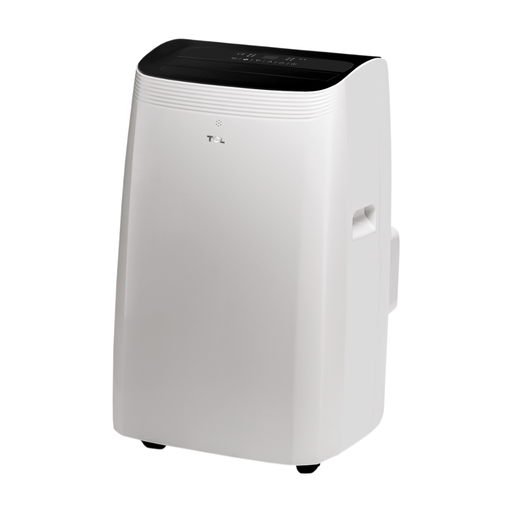
Why This Fits Their Persona: This TCL portable air conditioner is ideal for the tech-savvy user who values convenience. The ability to control the unit via the TCL Home App or voice commands means you can adjust the temperature from anywhere, integrating it seamlessly into a modern, connected lifestyle.
Its A-Class energy rating and use of eco-friendly R290 refrigerant directly address the hidden cost trap, ensuring efficient operation. The smart scheduling features also help you manage energy consumption effectively.
Full remote control via WiFi and app integration, plus voice control compatibility. The 3-in-1 functionality (cooling, fan and dehumidifier) offers year-round utility.
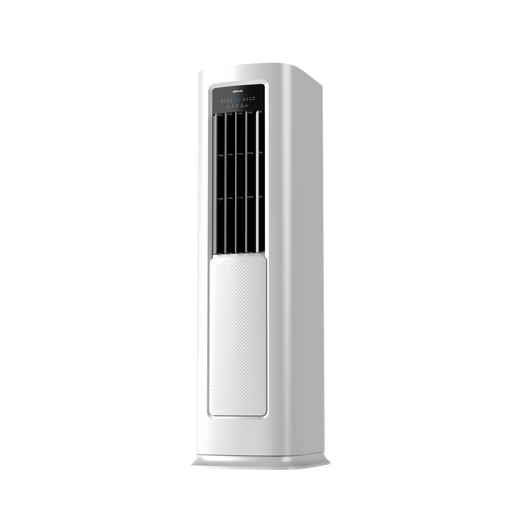
Why This Fits Their Persona: This unit is for someone who prioritises powerful, even cooling above all else. It's an excellent fit for renters or homeowners with large, open-plan spaces who need effective air distribution without the complexity of smart features.
Its powerful 3,500W (12,000 BTU) capacity is correctly matched for larger rooms, avoiding the BTU mismatch trap. The automatic air swing feature ensures the entire room is cooled, not just one small area.
Features automatic horizontal and vertical air swing, which distributes cool air more effectively throughout the room than fixed-louvre models. It also includes a convenient remote control and a 24-hour timer.
Here are answers to a few common questions UK residents have about using a 12,000 BTU portable air conditioner.
The running cost depends on your electricity tariff and the unit's power consumption. An A-Class 12,000 BTU unit typically consumes around 1.3 kilowatts (kW) per hour. Based on an average UK electricity rate of 25p per kilowatt-hour (kWh), you can expect it to cost approximately 32p per hour to run. Using a model with a timer or smart scheduling can help manage these costs effectively.
Yes, all portable air conditioners require venting. They work by extracting heat from your room and transferring it outside through an exhaust hose. All models come with a window installation kit, which typically includes a hose and an adjustable panel to fit most standard UK window types. Without proper venting, the unit will simply release the hot air back into the room, making it ineffective.