
24/7 Customer Support

Free returns

Same-day & Next-day Delivery

Quality Guaranteed

Unlock Your Welcome Offers: FREE Delivery | Up to 80% OFF | Free 30-day JoyPlus trial
Download the APP
A 150g bag of crisps can suit a quiet night in, a family gathering or a drinks platter, but not every packet offers the same type of snack. UK shoppers comparing British crisps, gourmet crisps and specialist alternatives should look beyond the front-of-pack flavour description.
Several common buying traps can lead to wasted money:
For shoppers looking for gluten-free crisps, the ingredient list and allergen declaration matter more than flavour names. Wheat, barley and soya may appear in seasoning blends, particularly in flavoured crisps. Cross-contact statements such as “may contain” are also important for people managing allergies or coeliac disease.
Some products are specifically labelled gluten-free. Schär Gluten Free Crispbread 150g, for example, lists corn starch, corn flour and rice flour rather than wheat, and declares no allergens in the supplied product information. However, packaging should always be checked before consumption because formulations and labelling can change.
For vegan crisps and vegetarian crisps, look for a clear suitability statement and inspect the seasoning. Plain sea salt crisps may be suitable for vegans, while cheese seasoning normally contains milk. Meat extracts can be less obvious: a sausage-flavoured product may not be suitable for vegetarians even if it does not contain visible meat pieces.
Lightly salted crisps and sea salt crisps are versatile choices for picnics, sandwiches and dips. Their simpler seasoning allows the potato flavour to remain more noticeable. Stronger options, including cheese and onion crisps, beef crisps and chilli varieties, are more suitable when you want the snack to contribute a distinct flavour to a party spread.
Consider how the packet will be used:
Most potato crisps in this selection provide approximately 480–530 kcal per 100g, although recipes vary. Salt, fat and saturated fat can differ substantially between plain and heavily seasoned varieties. Use the nutrition panel to compare products rather than relying on descriptions such as “light” or “delicate”.
Storage also affects value. Keep unopened packets in a cool, dry place away from sunlight. Once opened, reseal the bag or transfer the contents to an airtight container. Some supplied product information recommends consuming opened crisps within three days, while crispbread should be protected from moisture to retain its texture.
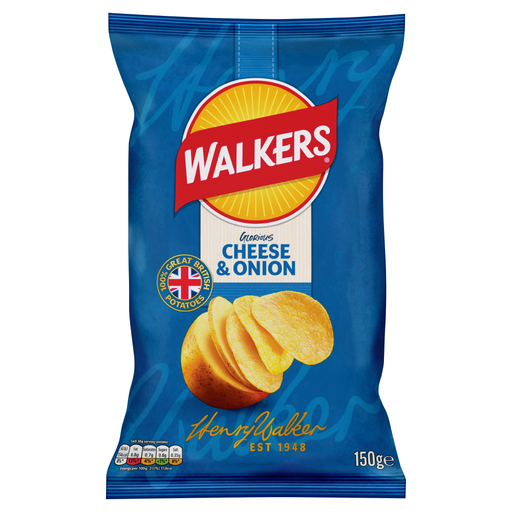
Why This Fits Their Persona: A familiar British crisps flavour in a 150g sharing bag, suitable for everyday snacking and casual gatherings.
The product information clearly identifies milk as an allergen and states that it may contain gluten, so shoppers can check suitability before ordering.
Made with Great British potatoes; suitable for vegetarians; no added MSG, artificial colours or preservatives according to the supplied details.
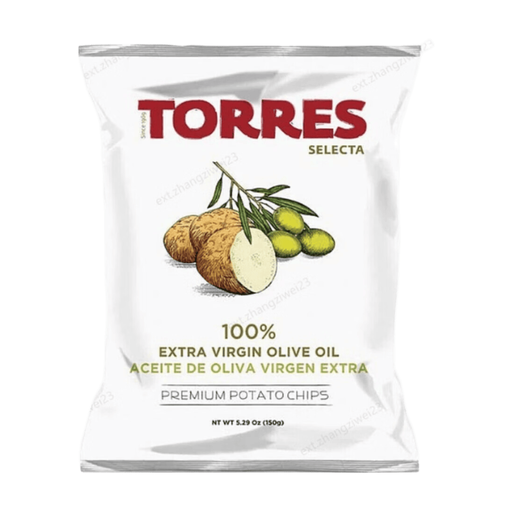
Why This Fits Their Persona: A Spanish snack made with potatoes, extra virgin olive oil and salt, suited to foodies, gift baskets and drinks platters.
Its short ingredient list makes it easier to assess what you are paying for, without relying on vague gourmet wording.
Contains three listed ingredients; no allergens are declared in the supplied information; made in Spain.

Why This Fits Their Persona: A neutral crispbread base for packed lunches, soups, salads and toppings such as avocado or cream cheese.
It is presented as gluten-free and uses corn and rice flours, helping shoppers distinguish a dedicated crispbread option from ordinary wheat-based crackers.
Lists 5g of fibre per 100g; supplied information states that the pack is resealable and should be stored airtight after opening.
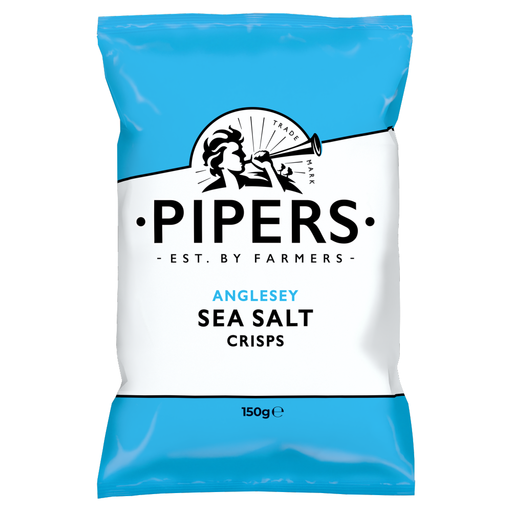
Why This Fits Their Persona: A straightforward sea salt option for vegan and vegetarian snack tables, picnics and alfresco dining.
The supplied product details explicitly state that it is gluten-free and suitable for vegetarians and vegans, reducing uncertainty when catering for mixed dietary needs.
Uses potatoes, sunflower oil and Anglesey Sea Salt PDO; the 150g quantity is listed as suitable for sharing.
We have compiled a complete, real-time list of products that fully satisfy these strict selection criteria and UK safety regulations.
Usually, yes. Many 150g packets are marketed as sharing bags, but the number of portions depends on the occasion and serving size. Check the nutrition panel per 100g and consider using a bowl rather than eating directly from the packet.
Reseal the packet firmly or move the crisps to an airtight container. Store them in a cool, dry cupboard away from moisture and direct sunlight. Crispbread is particularly likely to lose its crunch if left exposed to humid air.
No. Plain recipes may be vegan, but manufacturing conditions and flavour additives can vary. Check the product’s current allergen and suitability information. For a clearly labelled option, the supplied details for Pipers Anglesey Sea Salt Crisps state that they are suitable for vegans and vegetarians.