
24/7 Customer Support

Free returns

Same-day & Next-day Delivery

Quality Guaranteed

Unlock Your Welcome Offers: FREE Delivery | Up to 80% OFF | Free 30-day JoyPlus trial
Download the APP
Shopping for 180g Asian snacks and groceries can be a convenient way to discover Chinese snacks, Japanese food, confectionery and everyday cooking ingredients. However, pack size alone does not tell you whether a product suits your household, storage space or cooking routine.
The most useful checks are found in the ingredients, allergen information, preparation instructions and storage requirements. This guide highlights common buying pitfalls, explains the key details to compare and matches several products to different shopping needs.
Some products are ready-to-eat snacks, such as mochi, creamy sweets and chocolate bars. Others require cooking, reheating or refrigeration after opening. Sweet bean paste and soybean paste are seasonings rather than standalone snacks, while frozen beef tendon needs careful storage and thorough reheating.
Always look for wording such as:
Buying a cooking ingredient when you need a quick snack, or selecting a frozen product without enough freezer space, can lead to waste.
Packaging may highlight flavours such as chilli, mango, milk or chocolate, but the ingredients list provides more useful information. For example, mochi may contain glutinous rice, tapioca syrup and fruit filling, while Asian sauces can contain wheat, soya and considerable salt.
Check the country of origin, ingredient order and allergen statement rather than relying only on front-of-pack descriptions. A product made in China, Taiwan, Japan or the UK may have a different preparation method and flavour profile, so origin can help you compare like for like.
Chocolate, sweets and biscuits generally need a cool, dry place. Sauces may require refrigeration after opening. Frozen Asian food must remain at -18°C or below, and some products should not be refrozen once thawed.
Also consider texture and safety. Chewy sweets and mochi should be eaten carefully, particularly by young children. Products containing milk, soya, wheat, gluten, eggs, nuts, crustaceans or fish may not suit every household.
A 180g pack can be suitable for personal snacking, family sharing, a small gathering or adding to a larger grocery order. Individually wrapped products, such as some mochi and sweets, can be easier to portion and store. A single chocolate bar or biscuit pack may be more practical for sharing at home.
Compare the number of pieces, not just the total weight. A 180g pack of individually wrapped sweets offers a different experience from a 180g jar of Chinese condiments or a solid chocolate bar.
UK food labels identify ingredients in descending order by weight, with allergens usually emphasised. Look for:
Nutrition panels are also useful for comparison. For instance, White Rabbit Creamy Candy lists milk as an allergen, while Royal Family Fruity Mochi Blueberry lists no allergens in the supplied product information. Always check the packaging supplied with your order, as recipes and labelling can change.
For ambient snacks, store products away from heat, sunlight, humidity and strong odours. Once opened, seal the packaging properly to preserve texture.
Frozen and chilled items need more planning. Morrisons Jalapeno Bites are supplied as a frozen food and include oven instructions from frozen. Yutaka Seasoned Soybean Curd Sushi Pockets are ready to use, but require refrigeration after opening or defrosting. Condiments such as Shinho Soybean Paste and Shinho Congbanlv Sweet Bean Paste should be refrigerated after opening according to their product information.

Why This Fits Their Persona: A straightforward ambient Chinese snack for shoppers who want to try a familiar milk-flavoured confection without preparation or specialist kitchen equipment.
The product information clearly states the 180g quantity, ambient storage and milk allergen, helping buyers check suitability before ordering.
Creamy milk flavour, chewy texture and edible rice paper wrapping; suitable for sharing or portioned treats.

Why This Fits Their Persona: A 180g sharing bar with milk chocolate, caramel pieces and sea salt for shoppers seeking a more layered flavour and texture.
The listing specifies 10% caramel pieces, 0.5% sea salt, milk and soya allergens, plus possible traces of gluten-containing cereals, eggs, nuts and peanuts.
Combines crunchy caramel with a salted flavour contrast; the supplied information states that 69% of selected ingredients are traded in compliance with Fairtrade Standards.
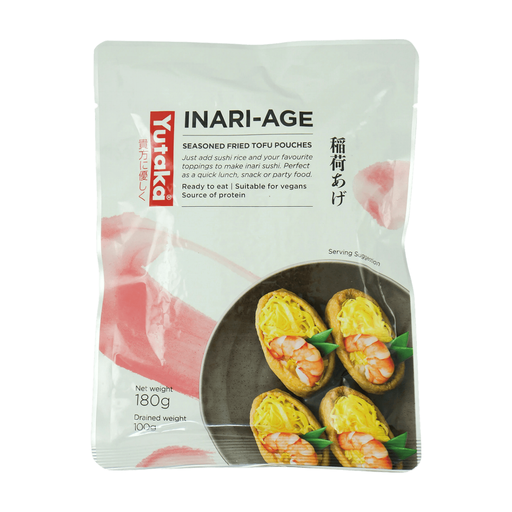
Why This Fits Their Persona: Useful for preparing inari sushi, bento boxes or party food without making tofu pockets from scratch.
It is clearly described as ready to use, with instructions to fill the pouches with seasoned sushi rice and refrigerate after opening or defrosting.
Includes 10 seasoned tofu pockets; the product information states it is suitable for vegans and contains soya and wheat gluten.
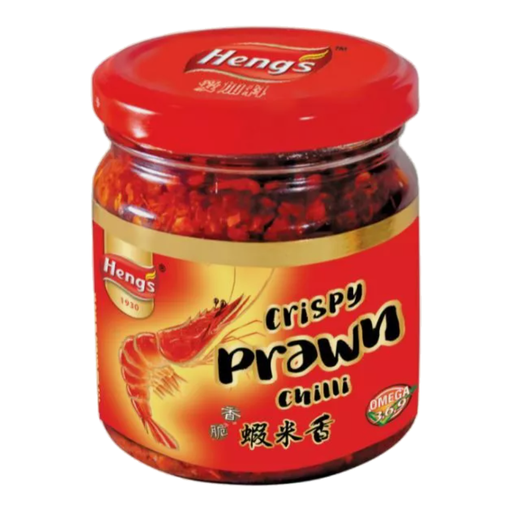
Why This Fits Their Persona: Designed for shoppers who want a strongly flavoured topping for noodles, rice, soups, congee or quick meals.
The listing identifies prawns, fish and soya as allergens, describes the product as very spicy and provides refrigeration guidance after opening.
Contains dried shrimp, shallots, garlic and chilli; the crispy texture can add flavour and crunch to several everyday dishes.
We have compiled a complete, real-time list of products that fully satisfy these strict selection criteria and UK safety regulations.
Many 180g chocolate bars, sweets, biscuits and savoury snacks are suitable for informal sharing. Check the number of pieces and allergen information before serving. Chewy products such as mochi and creamy candy should be eaten carefully by young children.
Store unopened ambient sauces in a cool, dry place. After opening, follow the label instructions; many Chinese condiments need refrigeration. Use a clean utensil and keep the lid securely closed to help preserve quality.
The main practical consideration is freezer space and maintaining the recommended temperature, usually -18°C or below. A small pack can be convenient when you already have a suitable freezer, but check whether the product must be cooked from frozen, thawed before use or consumed within a set period after defrosting.