
24/7 Customer Support

Free returns

Same-day & Next-day Delivery

Quality Guaranteed

Unlock Your Welcome Offers: FREE Delivery | Up to 80% OFF | Free 30-day JoyPlus trial
Download the APP
Buying 1kg frozen food online can make meal planning easier, but pack size alone does not tell you how much usable food you will receive. Ice glaze, shells, bones, coatings and preparation waste can significantly change the final portion. Marketing language can also distract from the details that matter for UK households.
This guide explains the practical checks to make before buying frozen meat, seafood, vegetables and other 1kg products online.
A pack described as 1kg may not contain 1kg of ready-to-cook ingredients. For example, some frozen seafood includes ice glaze, shells or heads. The Ocean Classic Pangasius pack is labelled 1kg total weight but 800g net fish fillet, while Gold Ribbon Black Tiger Prawns list 700g net weight within a 1kg pack.
For a meaningful price comparison, check:
Cooking instructions vary considerably. Some products, such as breaded halal frozen chicken, can be cooked directly from frozen. Others, including frozen beef, pork ribs and pork trotters, require complete thawing in the refrigerator before cooking.
Ignoring this distinction can result in uneven cooking, excess moisture or a poor texture. Always check whether the product is:
Frozen seafood may contain crustaceans, molluscs, fish or sulphites. Coated chicken can contain wheat, barley and egg. Even apparently simple products need an ingredients check, particularly for households managing allergies, coeliac disease or halal requirements.
Look for the full ingredient list, allergen statement, certification details and country of origin rather than relying only on the product title.
For shell-on frozen prawns, a 1kg pack may provide approximately 20–30, 30–40 or 16–20 pieces per kilogram, depending on size. Shell-on formats can contribute flavour during cooking, but they produce less finished meat than peeled prawns.
Similarly, coated frozen chicken fillets and goujons contain breadcrumb coating as well as chicken. The Superchick Hot & Sizzler Fillet lists 68% chicken breast, while the Hot & Sizzler Goujons list 65% chicken. This does not make either product unsuitable, but it helps shoppers compare value accurately.
Most frozen meat and frozen seafood products in this selection require storage at -18°C or below. Do not refreeze food once it has thawed. Products requiring defrosting should generally be thawed in the refrigerator, not left at room temperature.
Raw products must be cooked thoroughly. For the Superchick chicken products, the supplied instructions specify cooking to an internal core temperature of at least 75°C. Follow the packaging instructions because cooking times vary by appliance, portion size and product format.
A short ingredient list can be useful when buying plain meat or vegetables. The Kinda Selected Beef Shin and Kinda Frozen Diced Pork Trotters are listed as 100% beef and 100% pork trotters, respectively. By contrast, breaded products include flour, starches, oils, spices and raising agents.
Halal shoppers should check the stated certification body. The Superchick products supplied here identify halal certification from an Islamic council in Thailand. Certification information should always be confirmed on the current product packaging.
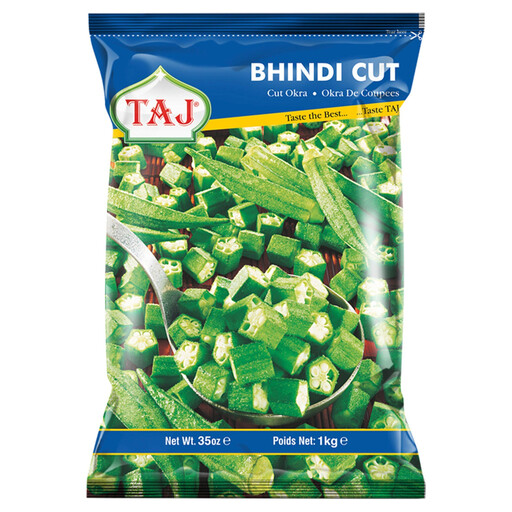
Why This Fits Their Persona: Pre-cut frozen vegetables reduce preparation time and can be added to curries, stews and stir-fries from frozen, making them practical for first-time Asian grocery shoppers.
The ingredient is simply cut okra, with no listed additives or allergens, and the pack provides a clear 1kg quantity.
Pre-cut format; suitable for vegetarian and vegan diets according to the supplied product information.
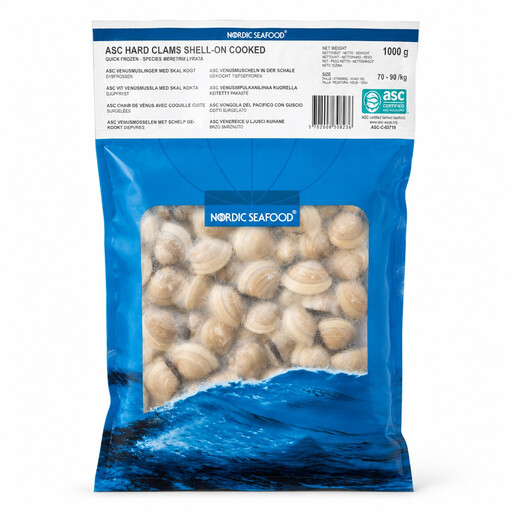
Why This Fits Their Persona: Suitable for seafood lovers planning sharing platters, pasta, paella or seafood stews, with an ASC certification stated in the product information.
The listing states an approximate count of 70–90 clams per kilogram, helping set expectations about usable portions.
Cooked before freezing; supplied in the shell; molluscs are clearly identified as the allergen.
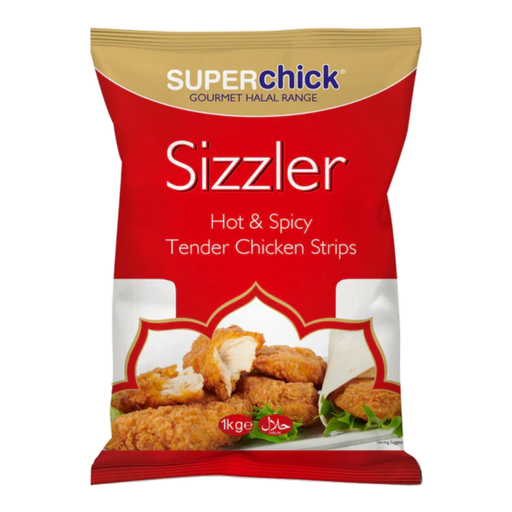
Why This Fits Their Persona: A useful format for halal households, meal-prep customers and busy families needing smaller portions for wraps, lunch boxes or sharing plates.
The product states its chicken percentage, allergens, halal certification and cooking temperature rather than leaving key information unclear.
Can be cooked from frozen; approximately 3–5 minutes deep-frying or 10–15 minutes oven-baking according to the supplied instructions.
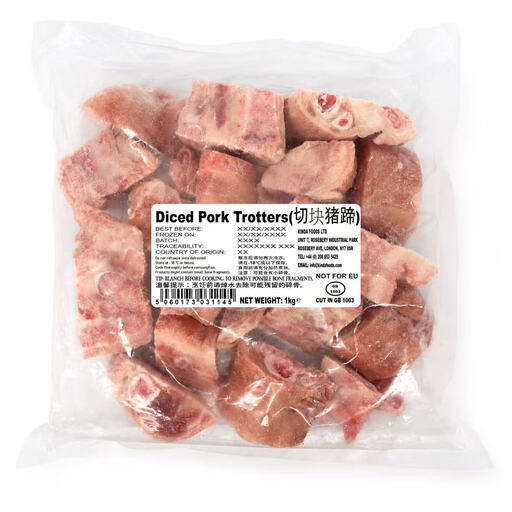
Why This Fits Their Persona: Pre-sliced pork trotters suit cooks preparing Asian soups, braises and slow-cooked dishes for several portions.
The ingredients are listed as pork trotters only, with pieces cleaned, de-haired and cut for cooking.
1kg vacuum-packed format; suitable for braising, stewing and soup preparation.
A broader Asian groceries selection can help build a complete cupboard and freezer order. Kobasuki Japanese Sushi Rice is a 1kg short-grain rice product, while Tanoshiya Knife Shaved Noodle is a 1kg wheat noodle suitable for soup, fried and mixed noodle dishes. These are ambient products, so they should not be stored in the freezer.
For non-food shopping, laundry stain remover 1kg packs provide a larger household format, while 3D printer filament 1kg spools are commonly sold by material, diameter and colour. Check compatibility rather than assuming all 1kg products are interchangeable.
We have compiled a complete, real-time list of products that fully satisfy these strict selection criteria and UK safety regulations.
It depends on the product and its usable weight. One kilogram of boneless meat may provide several portions, while shell-on prawns, pork trotters or products containing ice glaze provide less edible meat. Check the net weight and serving format before ordering.
Follow the product instructions. Kinda beef and pork products supplied here require complete refrigerator thawing, whereas the Superchick breaded chicken products are designed to cook from frozen. Never refreeze food after it has thawed.
Compare the price against net edible weight, not just the headline 1kg pack size. Consider shell, head, bones, ice glaze and coatings, then compare the approximate piece count and cooking method. This gives a more realistic indication of value for household meals.