Older adults with poor appetite or weight-loss concerns
The NHS identifies people aged 65 and over as particularly at risk of malnutrition. Sauce is one part of a meal, so consider the food served with it and any individual dietary advice.


A 1kg pasta sauce is practical when the household can use it within that product’s after-opening instructions; for fewer meals, a smaller jar may be easier to plan around. For an older person with poor appetite, consider the whole meal rather than treating sauce or pack size as the nutritional answer. If salt intake or a prescribed swallowing texture matters, check the intended portion and the fully prepared meal.
The NHS identifies people aged 65 and over as particularly at risk of malnutrition. Sauce is one part of a meal, so consider the food served with it and any individual dietary advice.
For someone comparing salt across meals, the intended sauce portion matters alongside other ingredients. The NHS advises adults to have no more than 6g of salt a day.
Where a person has an assessed swallowing difficulty, follow their individual food-texture instructions. South Tees Hospitals NHS Foundation Trust describes modified textures as following assessment by a speech and language therapist.
Decide how many meals the pack must cover, then compare the sauce as part of the intended meal and any individual dietary or texture requirements.
| Concern | What to check | Who this matters to |
|---|---|---|
| Energy and protein in the meal | Compare the intended serving and plan any suitable protein-containing accompaniment. Follow individual advice if intake or weight loss is a concern. | If appetite is poor, I need to consider what the entire pasta meal provides, not just the sauce. About 31% of consumers might put meal composition first. |
| Salt | Compare salt per 100g and per intended portion; include other ingredients when considering the meal. | When I am keeping track of salt, the amount in the portion I will serve matters more than a no-added-sugar description. Around 23% of consumers might make salt their primary concern. |
| Prescribed texture | Check the person’s care plan and how the complete meal must be prepared; a smooth sauce label is not a texture assessment. | If I am preparing food for someone with a swallowing plan, the finished pasta meal must follow it. Roughly 23% of consumers might prioritise prescribed texture. |
| Pack size and storage | Match the net weight to planned meals and read that product’s refrigeration and use-after-opening instructions. | If I want a large pack for repeat meals, I need to know whether we can use the opened sauce in time. About 23% of consumers might put pack practicality first. |
Someone with poor appetite or unintentional weight loss may have different dietary priorities. The NHS describes energy- and protein-rich food as part of care for malnutrition.
Consider the complete meal and follow a GP’s or dietitian’s advice where poor intake or weight loss is a concern.
Pasta, added ingredients and the finished sauce can change the meal’s texture. A smooth-sounding product name does not establish that the meal meets an individual swallowing plan.
Follow the documented texture level and preparation guidance from the person’s care team.
After-opening instructions differ by product: the ASDA and Sainsbury’s examples specify use within 7 days, while the M&S example specifies 3 days.
Plan the portions before buying and follow the instructions on the exact pack.
Sauce left over beyond its stated use-within period may have to be discarded.
That wording does not tell you the sauce’s salt content or what the complete meal provides.
Read the current nutrition and ingredient labels, then consider the intended portion and any other food in the meal.
Dolmio lists a 675g family-size low-fat Bolognese sauce and a separate 450g smooth tomato Bolognese sauce.
Its 500g no-added-sugar tomato and hidden-vegetable sauce is a smaller-jar option.
Asda lists 500g tomato-and-garlic and Bolognese pasta sauces.
Its tomato and hidden-vegetable pasta sauce is another smaller-pack option.
These Joybuy options are smaller sauces or passata for pasta meals, rather than 1kg packs. Choose a size that fits the meals you have planned and check the current label for individual dietary needs.
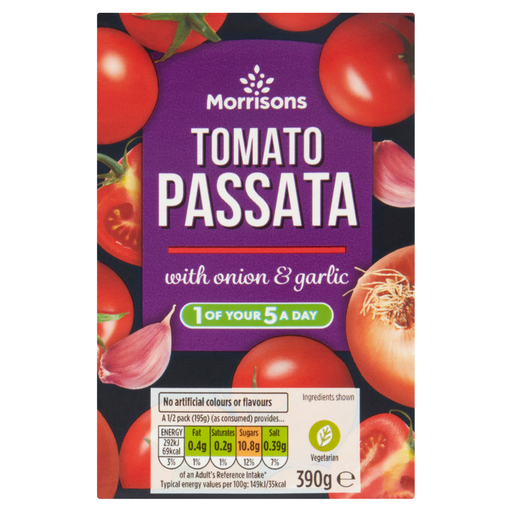 No image available
Consider this 390g passata when planning a smaller pasta meal rather than buying a 1kg pack. Plan to refrigerate it after opening and use it within its stated 2-day period; assess the complete meal against any prescribed texture plan.
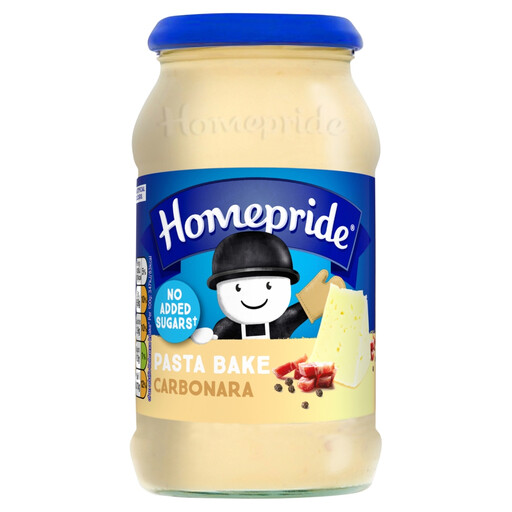 No image available
This 485g carbonara pasta-bake sauce fits a plan for a smaller pack, but its no-added-sugar wording does not establish its salt content. Check the current label if barley, celery, eggs or milk are relevant, and plan around its stated 3-day refrigerated period after opening.
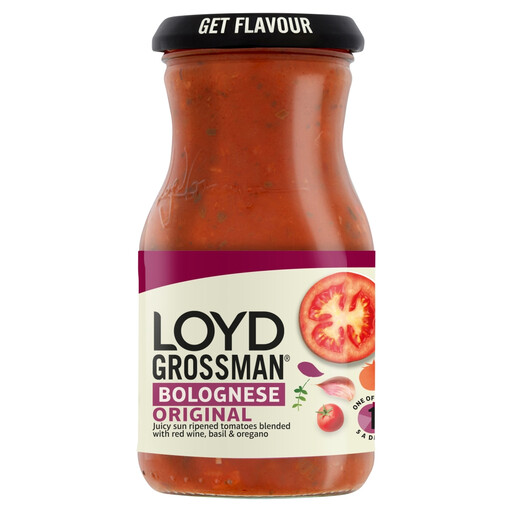 No image available
For a Bolognese meal with a separately chosen protein component, this 350g jar is an alternative to a large pack. Its preparation directions call for lean beef mince; check the current label for celery and plan around the stated 3-day refrigerated period after opening.
 No image available
This 350g tomato-and-cheese sauce is a smaller-pack choice when a 1kg quantity would exceed planned use. Check the current label if milk or egg matters, and account for its stated 2-day refrigerated period after opening.
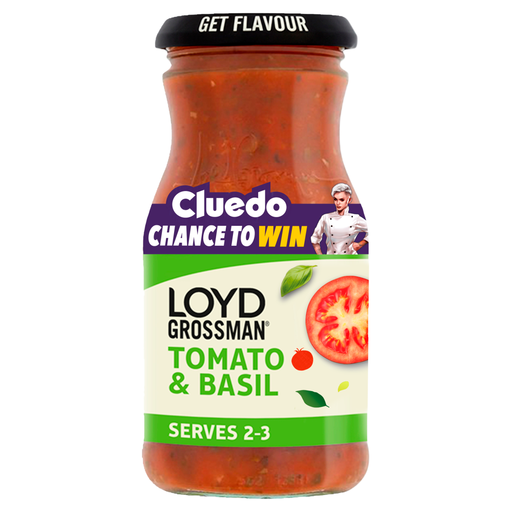 No image available
This 350g tomato-and-basil sauce is an option when fewer portions are planned. Allow for its stated 3-day refrigerated period after opening, and use the complete prepared meal—not the sauce name—to assess any prescribed texture requirement.
Not on pack size alone: choose the amount you can use within the product’s storage instructions and consider the complete meal. The NHS identifies older adults as particularly at risk of malnutrition, so poor intake or weight loss calls for individual dietary advice rather than a decision based on jar size.
A smooth label does not establish that the finished pasta meal meets a person’s prescribed texture. Follow their care plan and the preparation advice given after assessment by a speech and language therapist.
Compare their current labels per 100g and for the portions you intend to serve, then consider other ingredients in the meal. The NHS advises adults to have no more than 6g of salt a day; a no-added-sugar description does not answer the salt question.
Follow the instruction on the exact pack. Asda’s tomato-and-garlic and Sainsbury’s hidden-vegetable examples specify 7 days after opening, whereas the M&S hidden-vegetable example specifies 3 days; those periods should not be applied to a different sauce.
Read the current ingredient and allergen information for the exact product before preparing the meal. The Food Standards Agency states that UK food businesses must provide information about the presence of 14 specified allergenic ingredients.