
24/7 Customer Support

Free returns

Same-day & Next-day Delivery

Quality Guaranteed

Unlock Your Welcome Offers: FREE Delivery | Up to 80% OFF | Free 30-day JoyPlus trial
Download the APP
Buying a large bottle of whisky or spirits can look like a straightforward way to stock a home bar, prepare for entertaining or secure a convenient gift. However, a 1-litre bottle is only good value if its style, strength and intended use match your plans. A sweet whiskey liqueur may suit cocktails but disappoint someone seeking a traditional dram, while a multipack may offer convenience without being suitable for a smaller household.
This guide explains the key points to check before choosing 1L whisky and spirits, including blended Scotch whisky, bourbon whiskey 1L, Irish whiskey 1L, Tennessee whiskey and flavoured whiskey liqueur options.
A 1-litre whisky contains more liquid than a standard 700ml bottle, but the price per 100ml still matters. Multipacks can be useful for parties or regular drinkers, yet buying two bottles of a style you rarely serve can create unnecessary expense. Compare the total volume, price per bottle and intended serving occasions before adding a pack to your basket.
Familiar branding does not automatically mean a product suits your palate. A blended Scotch whisky, American whiskey and Irish whiskey 1L can have noticeably different profiles. Also, “smooth” is a subjective description rather than a technical guarantee. Look for objective information such as origin, maturation details, ABV and whether the bottle is a liqueur rather than an unflavoured whisky.
Flavoured whiskey liqueur products often contain added sugar and may have a lower ABV than standard 40% ABV whisky. For example, a honey or apple expression may work well with ice, lemonade or cocktails but taste quite different from a straight bourbon or single malt Scotch whisky. Check the nutrition panel and alcohol percentage if you are planning drinks for several people.
The category name helps set expectations:
Most standard whisky bottles in this selection are 40% ABV. A 1-litre bottle at 40% ABV contains approximately 40 UK alcohol units, although exact labelling should always be checked. Lower-strength liqueurs, such as 35% ABV honey, apple or Southern Comfort products, contain fewer units per bottle but may include more sugar.
UK Chief Medical Officers advise that adults should not regularly exceed 14 units per week. Alcohol is restricted to those aged 18 and over. It should not be consumed during pregnancy, and drinking and driving are incompatible.
Store an opened or unopened bottle upright in a cool, dry place away from direct sunlight and temperature extremes. Keep the cap tightly closed after pouring. A 1-litre glass bottle is convenient for sharing, but it can be heavier and more difficult to store than a 700ml bottle.
For home bars, consider whether you need one versatile bottle or a whisky multipack. Two bottles may be practical for a large gathering, a hospitality setting or regular cocktail preparation. For occasional use, one bottle gives you more flexibility and reduces the chance of keeping an opened spirit for longer than intended.
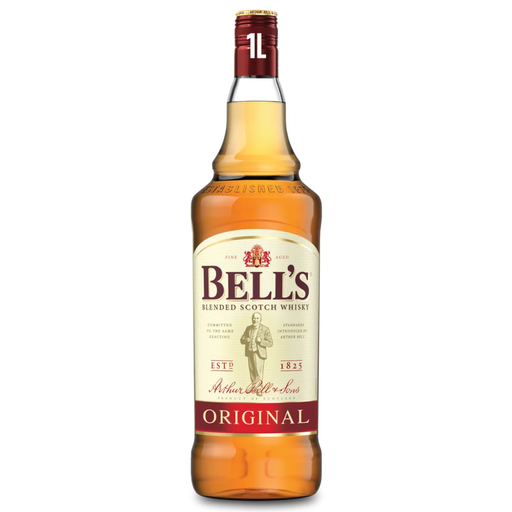
Why This Fits Their Persona: A 1-litre blended Scotch format gives first-time home-bar owners a straightforward bottle for neat serves, mixers and classic cocktails.
Its stated 40% ABV and blended Scotch classification make the product type and strength clear, rather than relying only on vague tasting language.
1L quantity; 40% ABV; suitable for neat serves, highballs and cocktails.
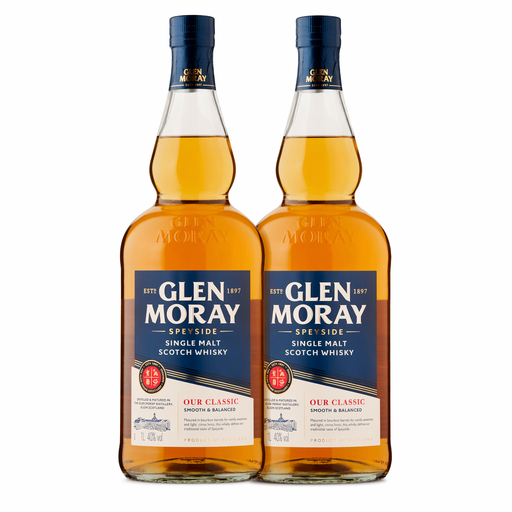
Why This Fits Their Persona: This Speyside single malt option suits shoppers seeking a more defined Scotch style for sipping, sharing or presenting as whisky gifts.
The listing identifies it as a Speyside single malt and specifies American oak ex-bourbon cask maturation, giving useful detail beyond presentation.
Speyside origin; single malt classification; 1L bottles; 40% ABV.

Why This Fits Their Persona: A practical choice for home bartenders who regularly make Old Fashioneds, Manhattans or simple bourbon serves.
The product details specify Kentucky Straight Bourbon, four years of ageing and 40% ABV, helping buyers distinguish it from a flavoured liqueur.
Kentucky origin; four-year maturation stated; suitable for sipping and cocktails.
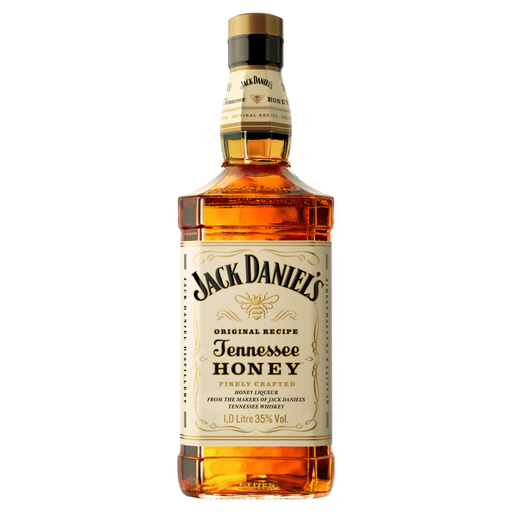
Why This Fits Their Persona: The honey-infused Tennessee whiskey liqueur is suited to shoppers planning easy serves over ice, mixed drinks or informal entertaining.
The 35% ABV and listed sugar content make its liqueur format clear, so buyers are less likely to mistake it for standard 40% ABV whisky.
1L format; 35% ABV; honey flavour; suitable for ice and cocktails.
We have compiled a complete, real-time list of products that fully satisfy these strict selection criteria and UK safety regulations.
For an Irish style with a versatile profile, consider Jameson Triple Distilled Blended Irish Whiskey 1L, listed at 40% ABV and described with vanilla, spice, nutty notes and a hint of sweet sherry. For a two-bottle option, the Pack of 2 - The Famous Grouse Blended Scotch Whisky 1L may suit parties, shared occasions or a well-stocked drinks cabinet.
Those looking for American whiskey can compare Jack Daniel’s Whiskey 1L, while shoppers who prefer fruit-led serves may consider Jack Daniels Apple 1L, a 35% ABV Tennessee expression. Always check the product page for current stock, pack contents, ingredients, allergens and labelling before purchase.
It can be, particularly when you already know the style you enjoy or need spirits for home bars and entertaining. Compare the price per 100ml with smaller bottles and consider whether the bottle will be opened regularly. A multipack may reduce the unit price but is less suitable for occasional drinkers.
Whisky does not usually have a short expiry period once opened, but air, heat and sunlight can gradually affect its character. Keep it upright, tightly sealed and stored in a cool, dark place. A bottle with very little liquid left has more air inside, so using it within a reasonable period can help preserve its flavour.
Yes. Standard-strength whisky is commonly used in highballs and classic cocktails such as an Old Fashioned, Manhattan or Whisky Sour. Use a flavoured whiskey liqueur when you specifically want sweetness or fruit and check whether the recipe needs additional sugar or syrup. Drink responsibly and measure each serve carefully.