
24/7 全天候客户支持

免费退货

当日/次日达

品质保障

开启新人专享福利: 全场免邮 | 低至 2 折 | 免费试用 30 天 JoyPlus 会员
下载 Joybuy
Whether you're a photographer offloading a day's shoot, a gamer tired of long loading screens or a professional needing to transport large project files, the limitations of traditional storage can be a real bottleneck. Slow transfer speeds, bulky designs and the constant worry of a drop causing data loss are common frustrations. A 1TB portable SSD offers a modern solution, providing a generous amount of space in a compact, fast and durable package.
Navigating the market for an external SSD 1TB drive can be confusing, with a wide range of speeds, features and prices. This guide is designed to help you understand the key factors to consider and to highlight a few standout options that deliver on performance and reliability.
Before diving into specific models, let's break down the essential features that will influence your decision. Focussing on these three areas will help you find a drive that fits your needs perfectly.
The primary advantage of an SSD is its speed. This is measured in megabytes per second (MB/s). A higher number means faster file transfers. For context, a drive with speeds around 1,000 MB/s can transfer a 10GB file in about 10 seconds, a task that could take several minutes on an older external hard disk drive (HDD).
Look for drives with a USB-C portable SSD interface, specifically USB 3.2 Gen 2 (offering speeds up to 1,050 MB/s) or the even faster USB 3.2 Gen 2x2 (up to 2,000 MB/s). Ensure your computer or device has a compatible port to take full advantage of these speeds. Most drives include both USB-C to C and USB-C to A cables for broad compatibility.
Unlike traditional HDDs with their spinning platters, SSDs have no moving parts, making them inherently more resistant to bumps and drops. For those who travel or work on location, a rugged portable drive is a wise investment. Look for models that specify a drop protection rating, such as resistance to falls from 2 or 3 metres.
For protecting sensitive work or personal data, an encrypted external drive is essential. The industry standard is AES 256-bit hardware encryption, which secures your data at the hardware level, making it extremely difficult for unauthorised users to access your files, even if the drive is lost or stolen.
While most portable SSDs work with both Windows and macOS, it's always good practice to confirm. If you plan to use the drive across different systems, such as a PC for work and a Mac for personal projects, ensure it supports both. For gamers, check for compatibility with your console (PlayStation or Xbox) to use it as an external SSD for gaming, which can dramatically reduce game load times.
Here are our recommendations, selected to meet a range of needs from extreme performance to everyday reliability.

Why It Stands Out The Samsung T9 is built for users who demand maximum performance. Leveraging a USB 3.2 Gen 2x2 interface, it achieves sequential read and write speeds of up to 2,000 MB/s and 1,950 MB/s, respectively. This makes it one of the fastest external hard drive options available for consumers, capable of transferring huge files in seconds. Its robust design includes drop resistance up to 3 metres and Samsung's Dynamic Thermal Guard to maintain performance during intensive use.
Pros
Who is it for? Creative professionals, such as videographers and 3D artists, who work with 4K/8K footage or large project files and require the fastest possible workflow.
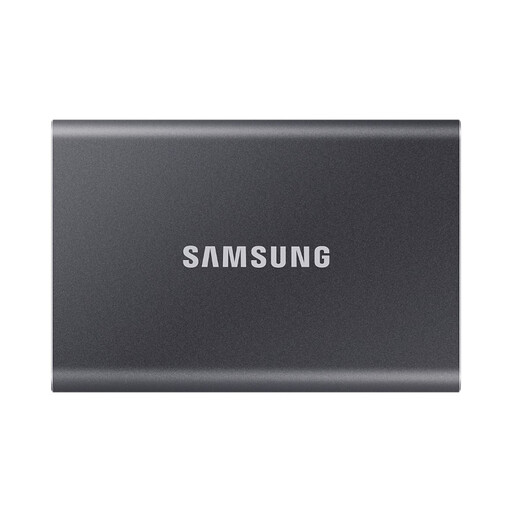
Why It Stands Out The Samsung T7 strikes an excellent balance between speed, portability and design. Its sleek, credit-card-sized metal body is both stylish and durable, weighing only 58 grams. With read speeds of up to 1,050 MB/s via its USB 3.2 Gen 2 interface, it offers a significant performance boost over traditional drives and is more than fast enough for most professional and personal tasks. It also features the same strong AES 256-bit hardware encryption as its more powerful sibling.
Pros
Who is it for? A versatile choice for professionals, students and everyday users seeking a fast, reliable and highly portable drive for work, backups and media.

Why It Stands Out From a brand widely trusted by photographers, the SanDisk Portable SSD is a dependable and rugged workhorse. It delivers solid performance with read speeds of up to 800 MB/s, which is ample for quick backups and editing photos or HD video directly from the drive. Its key feature is its practical, durable design, which includes 2-metre drop protection and a sturdy rubber hook to securely attach it to a bag or keyring, making it an ideal travel companion.
Pros
Who is it for? Photographers, travellers and students who prioritise durability and portability for safeguarding their files on the go.
If these recommendations don't quite fit your specific requirements, or if you're interested in exploring different capacities or brands, there are many other excellent choices available.
Explore our full range of external USB solid state drives to find the perfect match for your needs.
Yes, for most gamers, a 1TB SSD is an excellent choice. It provides enough space to store several large, modern games (which can often exceed 100GB each) and using an external SSD for gaming can dramatically reduce loading times compared to a console's internal HDD or an external HDD.
The core difference is technology. A portable HDD (Hard Disk Drive) uses spinning magnetic platters and a mechanical read/write head, making it susceptible to damage from drops and slower in operation. A portable solid state drive (SSD) uses flash memory with no moving parts. This makes SSDs significantly faster, more durable, quieter and more compact.
Yes, most modern portable SSDs are designed for cross-compatibility. They are often pre-formatted in a file system (like exFAT) that both Windows and macOS can read and write to without any extra setup. For users seeking the best portable SSD for Mac, many options work seamlessly and they typically come with both USB-C and USB-A cables to connect to a wide variety of computers.