What should you check before buying?
Decide whether the bottle is for shared home servings, then compare the formula, any school policy and the instructions for an opened bottle.
| Priority | What to check | Your needs |
|---|
| Sugar and serving size |
Compare sugars on the same per-100ml basis and check the serving you intend to pour. Coca-Cola GB lists 10.6g sugars per 100ml for Original Taste; Tesco Groceries lists 27g per 250ml glass. |
I want to know what is in a glass at home, rather than judge a 2-litre bottle by its size alone. |
| Caffeine and ingredients |
Check caffeine and sweeteners separately from sugar. Pepsi UK lists 0g sugars per 100ml for Pepsi Max, but its ingredients include caffeine and aspartame, with a phenylalanine-source statement. |
If caffeine or a particular ingredient matters to my household, a zero-sugar label alone does not answer the question. |
| School-day rules |
Establish whether the drink would be provided by a school or brought from home. The Department for Education's September 2026 guidance covers food and drink provided in state-funded schools in England; check the school's current policy for drinks brought in. |
A bottle for after-school sharing does not tell me what the school allows during the day. |
| Use after opening |
Read the storage instructions on the bottle. Tesco Groceries says to consume its Classic Cola and Caffeine Free Diet Cola within three days of opening. |
Will everyone sharing the bottle use it within the period stated on its label? |
Cola examples by household need
These examples retain the supplied scenario order: checking both sugar and caffeine, checking sugar while accepting caffeine, choosing original cola for home sharing, then considering a different own-label formula. The order is not a taste or quality ranking.
| Rank | Cola | Main specifications | Why consider it | Platform |
|---|
| 1 |
Tesco Caffeine Free Diet Cola 2L |
No added sugar; labelled caffeine free; less than 0.1g sugars per 250ml. |
Tesco Groceries lists this formula for shoppers checking both sugar and caffeine. It contains sweetener, so check the ingredient list if that matters to you. |
Tesco Groceries |
| 2 |
Pepsi Max 2L |
0g sugars per 100ml; contains caffeine and a source of phenylalanine. |
Pepsi UK's ingredients distinguish a zero-sugar choice from a caffeine-free one. A Joybuy listing recorded this bottle as out of stock when checked; that observation does not establish current availability. |
Joybuy |
| 3 |
Coca-Cola 2L |
Eight 250ml glasses per bottle; 27g sugars per 250ml glass. |
Tesco Groceries lists this regular cola in a shareable format. Check the amount poured if choosing it for home servings. |
Tesco Groceries |
| 4 |
Tesco Classic Cola 2L |
4.4g sugars per 100ml; ingredients include caffeine and sweeteners. |
Tesco Groceries lists a formula distinct from both sugar-free and caffeine-free cola. Its ingredient list also includes sulphite ammonia caramel. |
Tesco Groceries |
Joybuy options for shared home use
These multipacks contain 2-litre cola bottles for shared home use. Check the exact bottle label for ingredient requirements, particularly where product information gives conflicting caffeine statements.
 No image available
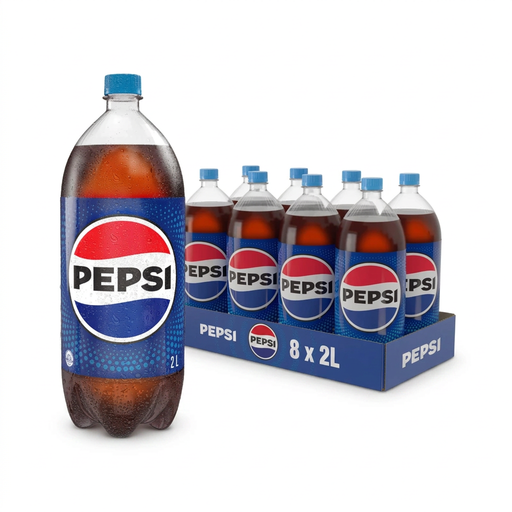
Pepsi Regular 8x2L
An eight-bottle pack for sharing at home. This regular formula is not the sugar-free or caffeine-free choice; check the bottle ingredients against your household's requirements.
View on Joybuy
 No image available
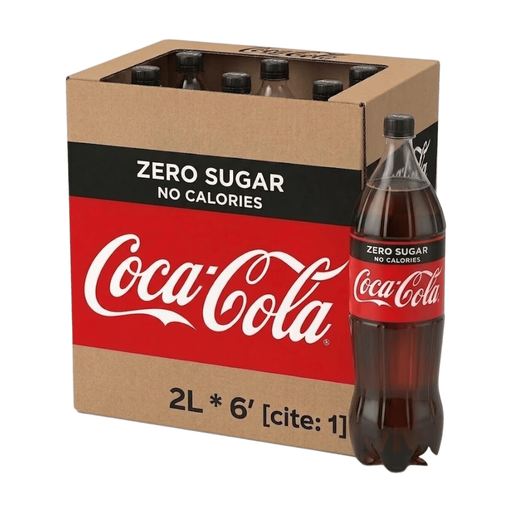
Coca-Cola Zero Sugar 2L x 6
A six-bottle pack for home sharing when choosing a zero-sugar cola. The listing also warns that this variant contains caffeine and a source of phenylalanine, and says it is not recommended for children; check the bottle label before choosing it for the intended drinkers.
View on Joybuy
 No image available
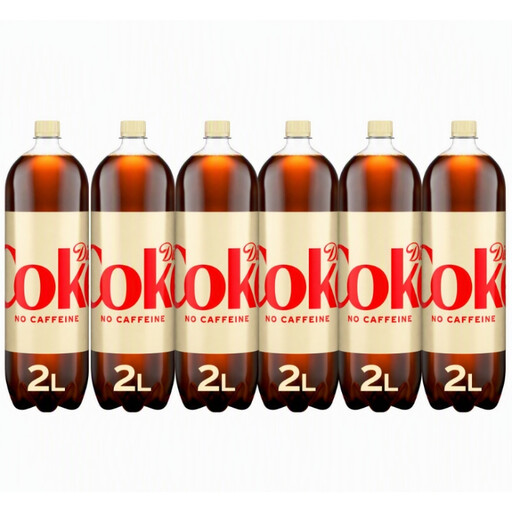
Diet Coke Caffeine Free 2L x 6
A six-bottle pack for home sharing. Although the title says Caffeine Free, other product information refers to caffeine; confirm the statement on the bottle before buying if caffeine avoidance matters. The listing also carries a phenylalanine-source statement.
View on Joybuy
Frequently asked questions
Can a child take a 2-litre cola bottle to school?
Check the school's current policy before sending cola. In England, the Department for Education's statutory School Food Standards apply to food and drink provided in state-funded schools; they do not, by themselves, settle what an individual school permits families to bring from home. A 2-litre bottle is also a format for multiple servings rather than one individual drink.
Does sugar-free cola also mean caffeine-free?
No. Pepsi UK lists 0g sugars per 100ml for Pepsi Max, but its ingredients include caffeine. If avoiding caffeine is the deciding factor, check for an explicit caffeine-free statement on the bottle; Tesco Caffeine Free Diet Cola is labelled caffeine free.
What does a phenylalanine-source statement tell me?
It is an ingredient warning to check when phenylalanine matters to the intended drinker. Pepsi UK lists aspartame in Pepsi Max and states that the drink contains a source of phenylalanine; read the label of the specific product before choosing it.
How long can an opened 2-litre cola bottle be kept?
Follow the instructions on the bottle you buy. Tesco Groceries says to consume its Classic Cola and Caffeine Free Diet Cola within three days of opening; the caffeine-free listing also instructs buyers to refrigerate it once opened.
Do the proposed England school food changes already apply?
No. The Department for Education's September 2026 guidance describes updated standards as proposed, subject to Parliamentary approval, with an intended start in September 2027. For a decision now, check the current requirements and the individual school's policy rather than treating the proposal as an existing rule.


