Small groups stopping for a snack
A 2-litre bottle can be shared at a break, but it adds to what the group must carry. Plan water for the walk separately; the British Mountaineering Council advises carrying enough for the activity and weather.


A 2-litre cola makes more sense as an optional drink to share at a snack stop than as the drink you rely on throughout a hike. Plan water separately for the route and weather, as advised by the NHS and British Mountaineering Council. If you want cola, compare the sugar and ingredients on the bottle, then consider whether your group can carry and share a large pack.
A 2-litre bottle can be shared at a break, but it adds to what the group must carry. Plan water for the walk separately; the British Mountaineering Council advises carrying enough for the activity and weather.
Coca-Cola Zero Sugar 2L and Sainsbury’s Cola Zero and Diet Cola 2L offer bottles to compare. Their product pages list zero or less than 0.5g sugars per 250ml serving; check the current label for ingredients that matter to your group.
For a personal outing, choose around the route, the people sharing and the bottle label. If drinks are being provided through a school, check the relevant nation’s requirements and the school’s policy rather than assuming a personal hiking purchase follows the same rules.
Plan the walking drink first, then decide whether a 2-litre cola fits the snack stop and the people sharing it.
| Priority | What to check | Your needs |
|---|---|---|
| Water for the walk | Plan water around the route, activity and weather. The NHS says water is the best way to replace fluids lost through physical activity; the British Mountaineering Council advises carrying enough for the conditions. | I want enough water for the walk, with cola reserved for an optional break. |
| Bottle and pack size | Check whether the listing is one 2-litre bottle or a multipack, and how many people will share it. Coca-Cola Zero Sugar 2L and Sainsbury’s two own-label 2-litre colas each list eight 250ml servings per bottle. | A sharing bottle might suit our stop, but I do not want to carry several bottles along the route. |
| Sugar and ingredients | Compare sugars using the same quantity on each label. Coca-Cola GB lists Original Taste at 10.6g sugars per 100ml; Pepsi UK lists Pepsi Classic at 4.5g and Pepsi Max at 0g per 100ml. Check caffeine, sweeteners and phenylalanine declarations on the exact bottle. | We would prefer a lower-sugar cola, or we may deliberately choose regular cola for its flavour. Anyone with an ingredient requirement needs to check the label. |
| After opening | Read the storage instructions before packing. Sainsbury’s says its Cola Zero 2L and Diet Cola 2L should be refrigerated after opening and used within three days. | If we cannot chill an opened bottle, I would rather open it when the group is ready to share it. |
The NHS recommends water to replace fluids lost through physical activity, while the British Mountaineering Council advises carrying enough water for the activity and weather.
Pack water for the walk first. Treat cola as an optional drink at a shared stop.
Recipes differ: Coca-Cola GB lists Original Taste at 10.6g sugars per 100ml, while Pepsi UK lists Pepsi Classic at 4.5g and Pepsi Max at 0g per 100ml.
Compare the per-100ml nutrition panels and ingredients on the bottles you are considering.
Sainsbury’s instructs buyers to refrigerate its Cola Zero 2L and Diet Cola 2L after opening and use them within three days. That instruction matters when a partly used bottle will be carried outdoors.
Check the bottle’s storage directions and open it when the group is ready for the snack stop.
Department for Education guidance concerns food and drink provided in state-funded schools in England. Department of Health and Social Care guidance addresses promotion and placement of specified products by businesses operating in and selling to England; neither description establishes a rule for every UK outdoor group.
For drinks supplied through a school, check the applicable nation, setting and school policy. For a personal hike, make the buying decision around the drink and its label.
The range includes Original Taste and Zero Sugar; Sainsbury’s lists Coca-Cola Zero Sugar in a 2-litre bottle.
Pepsi UK provides nutrition and ingredient information for Pepsi Classic and Pepsi Max.
Sainsbury’s lists own-label Cola Zero and Diet Cola in 2-litre bottles.
RC Cola International describes a wider soft-drink portfolio, rather than a specific bottle for this hiking decision.
These multipacks contain 2-litre bottles for a group snack stop or for stocking up before an outing. Decide how many bottles to bring on the walk separately from how many are in the pack.
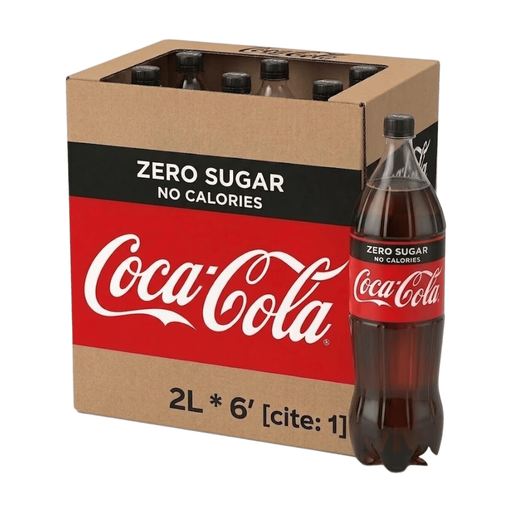 No image available
Six 2-litre bottles provide a sharing format, though carrying the whole pack on a hike would be cumbersome. Plan water separately and check the bottle’s ingredients and instructions for storing it after opening.
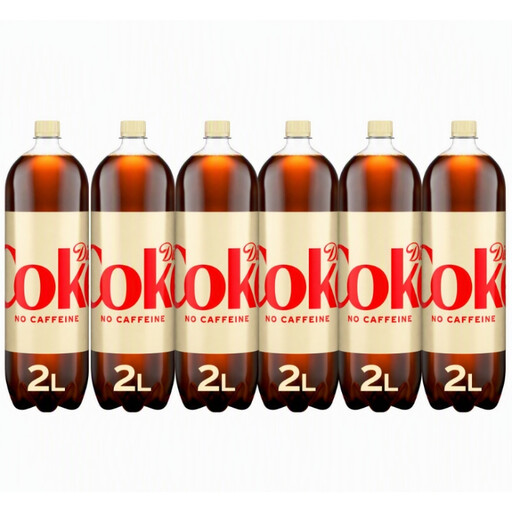 No image available
Six 2-litre bottles suit a planned group stop more readily than a lightweight individual carry. If avoiding caffeine matters, check the bottle label before buying: the caffeine-free description conflicts with caffeine wording elsewhere in the product information. Check the ingredients and after-opening instructions too.
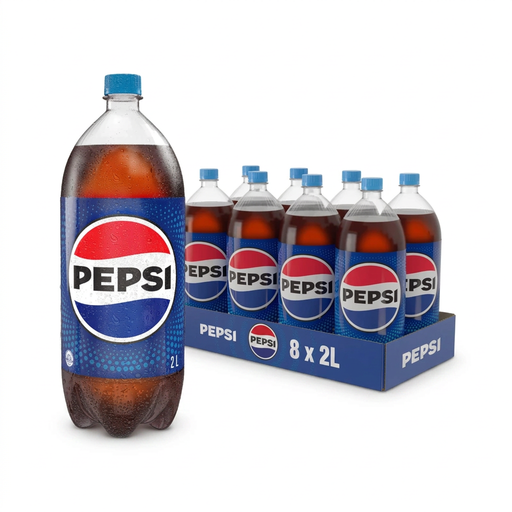 No image available
Eight 2-litre bottles are a group-stock purchase, not a pack to carry along the trail. If choosing regular cola for a snack stop, compare the exact bottle’s sugar and ingredients with any lower-sugar option, and take water for the walk.
Plan water as the walking drink and treat cola as an optional refreshment to share. The NHS says water is the best way to replace fluids lost through physical activity, and the British Mountaineering Council advises carrying enough water for the activity and weather.
If sugar content matters, compare the same quantity on the labels: Coca-Cola GB lists Original Taste at 10.6g sugars per 100ml, while Sainsbury’s lists Coca-Cola Zero Sugar 2L as zero sugar and its own-label Cola Zero and Diet Cola 2L at less than 0.5g per 250ml glass. Regular cola remains an option if that is the flavour your group wants; bring water separately either way.
Follow the instructions on that bottle rather than assuming every cola stores the same way. Sainsbury’s says its Diet Cola 2L and Cola Zero 2L should be refrigerated after opening and used within three days, so consider whether the group can share a bottle at the stop.
England’s Department of Health and Social Care guidance describes restrictions on how qualifying businesses promote and place specified products, not a restriction on what an individual may carry on a personal hike. Choose the drink using its label and the group’s practical needs.
Do not assume one rule covers every nation or outdoor setting. Department for Education guidance addresses food and drink provided in state-funded schools in England; before supplying drinks through a school, check which requirements apply to that nation and setting, along with the school’s policy.