Gym-goers choosing a drink and snack
If your main concern is replacing fluid after sweating, the NHS points to water. After intense or prolonged exercise, UK Sports Institute guidance also calls for fluids and a carbohydrate- and protein-rich snack.


A 2-litre energy drink should not be the default choice for a post-gym snack: the NHS recommends water to replace fluid lost through sweating, while UK Sports Institute guidance pairs fluids with carbohydrate- and protein-rich food after intense or prolonged exercise. If you specifically want caffeine, consider a clearly portioned drink alongside water and food; check the exact bottle and its serving information before treating a large format as an energy drink.
If your main concern is replacing fluid after sweating, the NHS points to water. After intense or prolonged exercise, UK Sports Institute guidance also calls for fluids and a carbohydrate- and protein-rich snack.
A large container makes the amount poured important. Check its category, volume and caffeine information, then work out what is in the serving you intend to drink rather than treating the whole bottle as one portion.
Compare the nutrition and caffeine declarations for the exact variant. A sugar-free energy drink is still a separate choice from water and, after an intense or prolonged session, from recovery food.
Decide whether you need fluid replacement, food after a demanding session or a separately portioned caffeinated drink. Those aims lead to different label checks.
Consider when: You have been sweating, particularly after intense or prolonged exercise. The NHS recommends water for replacing lost fluid, and UK Sports Institute guidance recommends fluids with carbohydrate- and protein-rich food after demanding sessions.
Trade-off: This does not provide caffeine if that is what you specifically want.
Consider when: As an adult, you specifically want a caffeinated drink and can account for the amount in your serving alongside other caffeine sources.
Trade-off: Keep water and post-exercise food separate; an energy drink alone does not provide the snack described in UK Sports Institute guidance.
Consider when: You specifically want a sports-drink product for a longer or sweat-heavy session and have checked its serving and nutrition information.
Trade-off: A sports-drink label does not make the drink a substitute for the food recommended after intense or prolonged exercise.
| Priority | What to check | Your needs |
|---|---|---|
| Fluid replacement | Consider how much you have sweated and whether water is available alongside any other drink. The NHS identifies water as the best way to replace fluid lost through sweating. | I want a drink after a sweaty workout, rather than choosing caffeine as my only response to thirst. |
| Post-exercise food | After intense or prolonged exercise, check that you have a carbohydrate- and protein-rich snack and fluids, with a meal afterwards, as described by the UK Sports Institute. | After a long or demanding session, I need to plan food as well as a drink. |
| Caffeine and sugars | Read caffeine and sugars for the amount you will actually drink; compare per-100ml and per-serving figures. Include caffeine from other drinks and foods when checking your total intake. | If I choose an energy drink, I want to know what is in my portion, especially when pouring from a larger container or comparing variants. |
| Bottle identity | Check the exact product category, bottle volume and number of intended servings. A 2-litre soft drink should not be assumed to have the ingredients of an energy drink. | Before choosing a family-size bottle, I want to know what drink it actually is and how much I plan to have at once. |
Caffeine and sugars need to be considered for the quantity poured, not just the bottle label’s per-100ml figure. Red Bull UK, for example, states that one 250ml Original can contains 80mg caffeine and 27g sugars; those figures describe that can, not other drinks or variants.
Check the intended serving size and calculate the amounts in your own portion. Include other caffeine sources when considering your intake.
Being displayed beside sports drinks does not make an energy drink the same choice as water or food. The NHS recommends water after sweating, and UK Sports Institute guidance recommends a carbohydrate- and protein-rich snack with fluids after intense or prolonged exercise.
Plan water and, when appropriate to the session, food separately from any caffeinated drink you choose.
A bottle’s size does not establish its category or caffeine content. Tesco and Sainsbury’s energy-drink listings include smaller cans, multipacks and a 900ml Lucozade Energy example; a 2-litre soft-drink listing is not evidence of a 2-litre energy drink.
Read the exact product name, volume, ingredients and caffeine statement before comparing it with energy drinks.
These examples help distinguish drink types and pack formats; they do not imply that a particular bottle is a complete post-gym snack.
Lucozade Energy and Lucozade Sport are separate ranges. Tesco sports-drink listings show Sport in 500ml, 750ml and 900ml formats; Sainsbury’s lists a 900ml Lucozade Energy drink.
Tesco and Sainsbury’s list 250ml Red Bull cans and multipacks. Red Bull UK states that a 250ml Original can contains 80mg caffeine and 27g sugars.
The Tesco and Sainsbury’s energy-drink listings include Monster 500ml cans and multipacks, with regular and zero-sugar options shown in the category.
Relentless appears in the reviewed Tesco and Sainsbury’s energy-drink listings in 500ml cans or multipacks.
Tesco’s reviewed listings place energy drinks and sports drinks in separate categories, including cans and multipacks in the former and several Lucozade Sport bottle sizes in the latter.
Sainsbury’s reviewed energy-drink listing includes a 900ml Lucozade Energy drink alongside smaller cans and multipacks. Its separate 2-litre Rubicon example is listed as a soft drink.
These are individually portioned energy-drink cans and a 900ml sports drink to consider alongside the post-gym choices above. Check each product’s label for the serving you intend to have; none of the listed packs is a single 2-litre energy-drink bottle.
 No image available
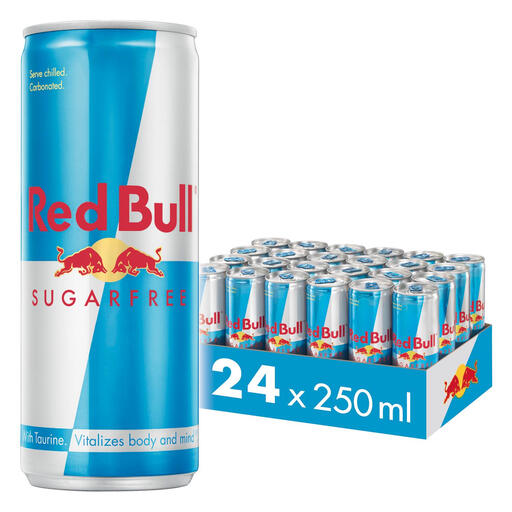
For an adult choosing a separate caffeinated drink alongside water and food, the 250ml cans provide defined portions. This multipack is not a 2-litre bottle; check the Sugarfree can’s own caffeine declaration rather than using figures for Red Bull Original.
 No image available
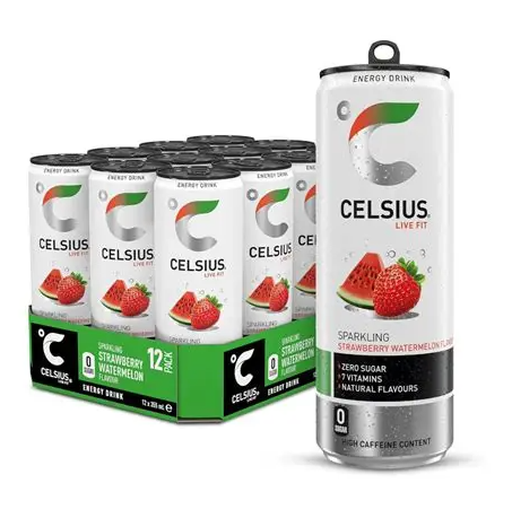
The 355ml cans offer an individually sized option if an adult wants an energy drink separately from post-exercise water and food. Read the can’s caffeine information and serving advice before choosing a portion; the multipack is not a 2-litre bottle.
 No image available
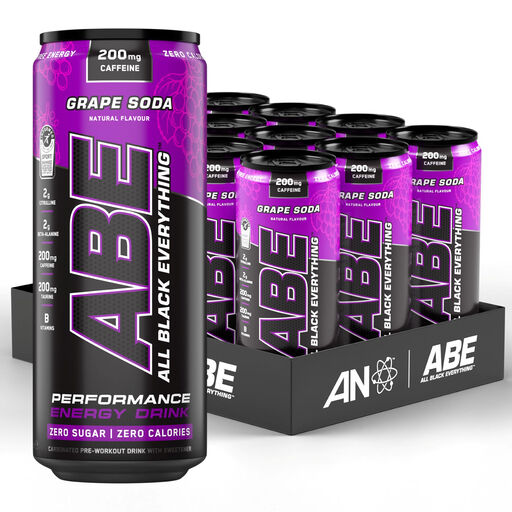
This pack provides 330ml energy-drink cans for a separately portioned caffeine choice, not a 2-litre bottle. Check the exact can’s caffeine declaration and serving instructions, and plan water and food independently after a demanding workout.
 No image available
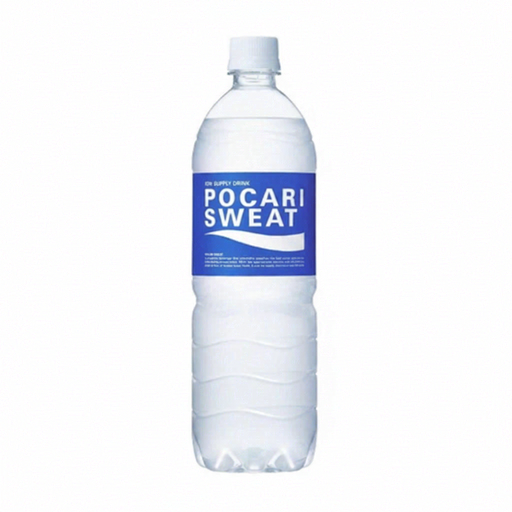
This 900ml sports-drink bottle is a different choice from an energy drink or a 2-litre bottle. If considering it after a sweat-heavy session, read its serving and nutrition information; after intense or prolonged exercise, plan the carbohydrate- and protein-rich food described by UK Sports Institute guidance separately.
 No image available
The pack contains individually sized 500ml energy-drink cans rather than a 2-litre bottle. If choosing one alongside a post-gym snack, check the Original Green can’s caffeine and sugars for the amount you intend to drink; keep water and food as separate choices.
Check the exact product name, category, ingredients and caffeine statement rather than relying on bottle size. Tesco and Sainsbury’s energy-drink listings include smaller cans, multipacks and a 900ml Lucozade Energy example, while a 2-litre soft-drink listing does not establish that the drink contains caffeine.
Use water to replace fluid lost through sweating: that is the NHS recommendation. If you also choose an energy drink for its taste or caffeine, consider it a separate drink rather than your sole plan for fluids after exercise.
UK Sports Institute guidance recommends a carbohydrate- and protein-rich snack with plenty of fluids as soon as possible after intense or prolonged exercise, followed by a full meal shortly afterwards and within two hours. An energy drink on its own does not provide that snack.
Read the amount for the serving you intend to drink and include caffeine from other sources. In its 2015 opinion, the European Food Safety Authority stated that single doses up to 200mg and daily intakes up to 400mg from all sources do not raise safety concerns for the general healthy adult population, with pregnant women excepted from the daily-intake conclusion; those figures are not a target to consume.