Drivers planning a long journey
A drink is not a fatigue plan. THINK! advises planning a 15-minute break every 2 to 3 hours and finding a safe place to stop if you feel sleepy.


Check whether you need one 2-litre energy-drink bottle or roughly that volume in separate servings: Tesco lists 2-litre soft drinks and energy-drink multipacks, but they are different purchases. Individually labelled cans or bottles let travellers check what they drink; if the driver feels sleepy, THINK! advises stopping safely and resting rather than relying on a caffeinated drink.
A drink is not a fatigue plan. THINK! advises planning a 15-minute break every 2 to 3 hours and finding a safe place to stop if you feel sleepy.
If the group wants around two litres altogether, check whether the pack contains separate labelled servings. Tesco lists 4 × 500ml energy-drink packs; their combined volume is two litres, but they are not single bottles.
Separate containers make it easier for each person to read the caffeine declaration. NHS guidance sets a daily caffeine limit of 200mg during pregnancy, including caffeine from drinks and other sources; check warnings before choosing drinks for a mixed group.
Start with the container size and pack count, then compare the label for the amount each person is likely to drink.
| Priority | What to check | Your needs |
|---|---|---|
| Caffeine per person | Read the caffeine amount per 100ml and compare it with the volume you intend to drink. UK Government guidance says drinks above 150mg caffeine per litre must state the amount per 100ml and carry a warning. | I want to know how much caffeine is in my own serving, rather than treating a large shared container as one drink. |
| Sugars | Compare sugars per 100ml for the exact variant and consider the amount consumed. Sainsbury’s lists 4.4g sugars per 100ml for standard Blue Bolt; Blue Bolt Zero is labelled no added sugar. | If I am choosing between standard and no-added-sugar versions, I want to compare their nutrition panels, not just their names. |
| Journey breaks | Plan a 15-minute break every 2 to 3 hours. THINK! advises a safe stop and a 10-to-15-minute rest if sleepiness develops; a drink does not replace that stop. | On a long drive, I need a plan for stopping and resting that does not depend on finishing an energy drink. |
| Bottle or pack? | Check the volume of each container, the pack count and whether the product is an energy drink. A 4 × 500ml pack totals two litres but is not one 2-litre bottle. | Am I looking for one bottle to share, or separate drinks that add up to about two litres? Those formats work differently for the group. |
Four 500ml cans add up to two litres, but each is a separate serving rather than part of one opened bottle.
Read the individual container volume and pack count before deciding whether the product meets your needs.
THINK! advises drivers who feel sleepy to find a safe place to stop and rest; caffeine is not a reason to continue driving while sleepy.
Build breaks into the route, including a planned 15-minute break every 2 to 3 hours.
Standard and no-added-sugar variants have different nutrition information, and a no-added-sugar name does not mean caffeine-free.
Compare sugars per 100ml, the amount you expect to drink and the caffeine declaration on the exact variant.
High-caffeine drinks carry warnings. NHS guidance limits total caffeine during pregnancy to 200mg a day, while the UK government has announced an under-16 sales restriction for high-caffeine energy drinks in England from April 2027.
Check the product warning and each traveller’s needs before adding a multipack to a shared snack shop.
These brand examples illustrate formats and label differences, not a list of 2-litre single bottles.
Consider the container size and pack count if individually portioned cans suit your journey.
Monster Energy Britain lists Original, Zero Sugar, Ultra and Juiced lines; compare the exact variant rather than assuming their labels are interchangeable.
Tesco lists Relentless Origin as a 4 × 500ml energy-drink pack.
Sainsbury’s lists Lucozade Energy Original in a 4 × 380ml bottle pack.
Sainsbury’s lists standard and no-added-sugar Blue Bolt variants in 6 × 250ml packs.
These energy drinks come as packs of individual cans or bottles for a road trip. None of the three listed packs is a single 2-litre bottle.
 No image available
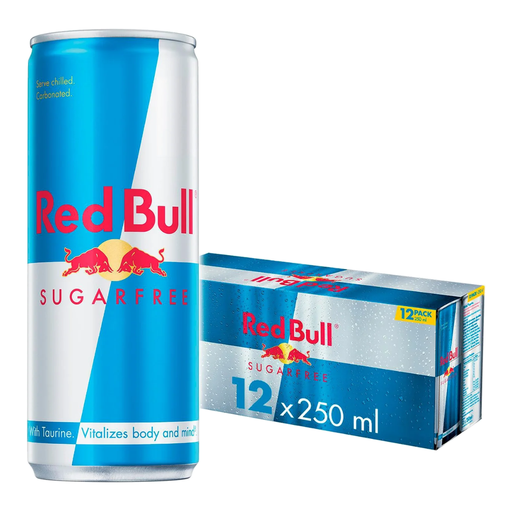
Separate cans suit a group that wants individual servings. The pack totals three litres, not one 2-litre bottle; check the label for caffeine and suitability before sharing.
 No image available
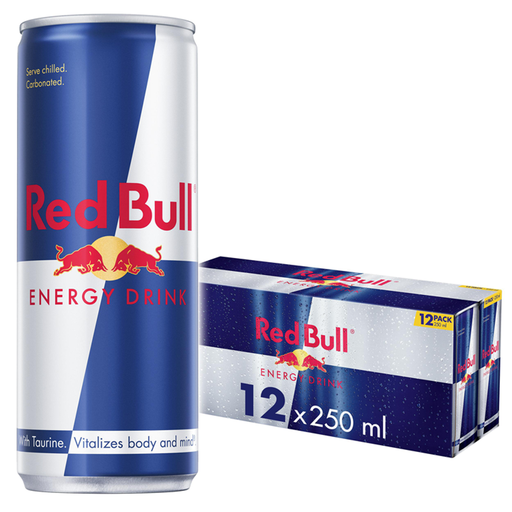
Individual cans make the serving size clear when several travellers are choosing drinks. This pack totals three litres rather than providing a single 2-litre bottle; compare its nutrition and caffeine label with other variants.
 No image available
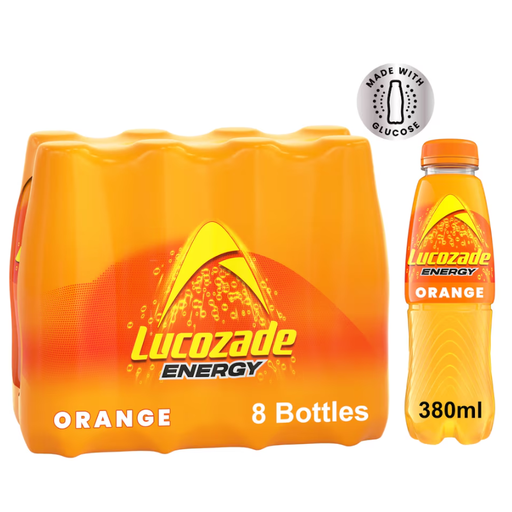
Separate bottles may suit travellers who prefer a 380ml container. Eight bottles total 3.04 litres, not one 2-litre bottle; check the exact label for caffeine and sugars when comparing servings.
No. Four 500ml containers total two litres, but each is a separate drink. Check both the container volume and pack count if a single bottle matters to your plans.
The cited Tesco 2-litre search results show soft drinks, while its energy-drink category lists formats including 4 × 500ml packs. That distinction does not establish what every UK retailer sells, so check the exact product description if you specifically need one 2-litre energy-drink bottle.
No. THINK! advises finding a safe place to stop if you feel sleepy, resting for 10 to 15 minutes and planning a 15-minute break every 2 to 3 hours on a long journey. A drink is not a reason to keep driving while sleepy.
Use the label’s caffeine figure per 100ml and the volume you will drink. For example, Sainsbury’s lists Blue Bolt Zero at 30mg per 100ml, which is 75mg in one 250ml can; caffeine from other drinks also counts towards a person’s total intake.
Check the caffeine warning and the needs of the person who will drink it. NHS guidance limits total caffeine to 200mg a day during pregnancy. In July 2026, the UK government announced a ban on sales of high-caffeine energy drinks to under-16s in England from April 2027; Sainsbury’s says its own under-16 restriction on high-caffeine energy drinks already applies.