People looking for a drink after exercise
If you have been sweating, the NHS recommends water to replace lost fluid. A fizzy drink can be a separate choice for taste, rather than the drink you rely on for rehydration.


Do not buy a 2-litre fizzy drink as your main recovery drink after exercise: the NHS recommends water to replace fluid lost through sweating, while the UK Sports Institute identifies dehydration and depleted fuel as separate recovery concerns. If you want a fizzy drink afterwards for taste or sharing, a no-sugar cola avoids the sugar listed on the regular colas compared here, but check its caffeine, sweeteners and other label warnings.
If you have been sweating, the NHS recommends water to replace lost fluid. A fizzy drink can be a separate choice for taste, rather than the drink you rely on for rehydration.
A 2-litre bottle may be for several people at a meal. Compare the sugar per serving if choosing between regular and no-sugar cola, without treating either as a substitute for water or food.
Exercise-related glucose management calls for individual advice, not a general soft-drink choice. North Cumbria Integrated Care advises people with diabetes using insulin or relevant medication in its rehabilitation guidance to speak with their diabetes healthcare professional about what works for them.
Decide whether you need to replace fluid lost through sweating or simply want a fizzy drink afterwards; then compare the exact bottle labels.
| Priority | What to check | Your needs |
|---|---|---|
| Rehydration | For fluid lost through sweating, the NHS recommends water. A 2-litre bottle size and carbonation do not establish that a soft drink meets this need. | I have been sweating and need a drink for rehydration, rather than choosing a shared bottle just because it is refreshing. |
| Sugar per serving | Compare sugars per 100ml and per serving on the current label. Tesco lists Coca-Cola Original Taste 2L at 10.6g per 100ml and 27g per 250ml; Pepsi Cola 2L at 4.6g per 100ml and 11g per 250ml; and Pepsi Max No Sugar 2L at 0g sugars per 250ml. | For a fizzy drink after rehydrating, I would rather avoid the sugar in regular cola. I also want to know how much I am pouring from a bottle meant for several servings. |
| Recovery purpose | Distinguish fluid replacement from food and other recovery needs. The UK Sports Institute identifies dehydration, depleted fuel and muscle damage as separate concerns; an ordinary cola is not a plan for all three. | Am I looking for something to drink with others, or trying to address a particular need after demanding exercise? |
| Ingredients | Check the exact bottle for caffeine, sweeteners and relevant warnings. Tesco lists caffeine, sweeteners and a source of phenylalanine for Pepsi Max No Sugar 2L. | I want to check ingredients that matter to me, especially if I avoid caffeine or need to follow phenylalanine-related advice. |
A bottle intended for several servings does not change an individual’s fluid needs after sweating. The NHS recommends water for replacing lost fluid.
Have water for rehydration; choose a fizzy drink separately if you want one for taste or sharing.
Serving size changes how much sugar you consume from a large bottle. Tesco describes Coca-Cola Original Taste 2L as eight 250ml servings, each listed at 27g sugars.
Compare both sugars per 100ml and the amount you expect to pour, then check whether a no-sugar version suits the occasion.
No-sugar cola is still a soft drink, not a complete recovery drink. The Tesco listing for Pepsi Max No Sugar 2L includes caffeine, sweeteners and a warning that it contains a source of phenylalanine.
Read the exact ingredient list and warnings if caffeine, sweeteners or phenylalanine affect your choice.
Coca-Cola Original Taste 2L provides a regular-cola reference when comparing sugar on bottles intended for sharing.
The Tesco listings for Pepsi Cola 2L and Pepsi Max No Sugar 2L allow a regular-versus-no-sugar comparison in the same bottle size.
Tesco’s cola range lists own-label Classic, Diet and Xero options in 2-litre bottles.
These six-bottle packs are no-sugar 2-litre cola options for an occasional shared drink after rehydrating, not drinks to rely on for post-exercise recovery.
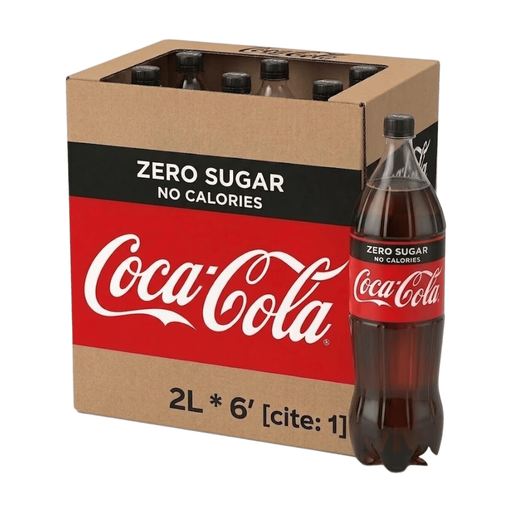 No image available
A six-pack for sharing when you want fizzy cola after addressing rehydration separately. The product information lists 0g sugars per 100ml, caffeine, sweeteners and a phenylalanine warning; check the bottle if any of these ingredients affect your choice.
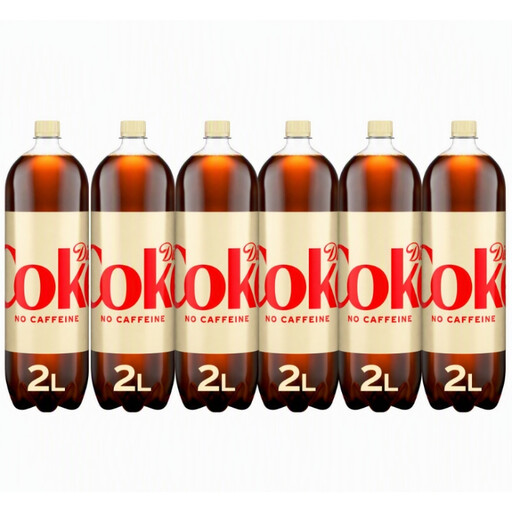 No image available
This six-pack offers a no-sugar cola for sharing after rehydrating, with 0g sugars per 250ml listed in the product information. The listing gives conflicting caffeine information despite the product name, so check the current bottle label before buying if you need to avoid caffeine. It also lists aspartame and a source of phenylalanine.
No. The NHS recommends water to replace fluid lost through sweating, and the UK Sports Institute identifies dehydration, depleted fuel and muscle damage as distinct recovery concerns. A standard fizzy drink should not be expected to address all of them.
If you want an occasional fizzy drink and want to avoid the sugar in regular cola, compare a no-sugar version. Tesco lists 0g sugars per 250ml for Pepsi Max No Sugar 2L, against 11g for Pepsi Cola 2L and 27g for Coca-Cola Original Taste 2L. Check the current label of the bottle you choose.
No. Tesco describes both its Coca-Cola Original Taste 2L and Pepsi Max No Sugar 2L bottles as eight 250ml servings. Pouring a serving makes it easier to compare what you drink with the label values.
Yes, if they affect your choice. Tesco’s Pepsi Max No Sugar 2L listing includes caffeine and sweeteners and states that the drink contains a source of phenylalanine. Read the exact bottle label, particularly if you need to follow phenylalanine-related advice.
Do not rely on a general cola comparison to manage exercise-related blood glucose. North Cumbria Integrated Care’s rehabilitation guidance says exercise can cause glucose to drop quickly for people with diabetes using insulin or relevant medication, and advises discussing individual management with a diabetes healthcare professional.