Marathon trainees planning long runs
Separate a drink you enjoy carrying from the carbohydrate and electrolyte intake planned for the session. UK Sports Institute guidance notes that carbohydrate needs increase as exercise gets longer and harder.


A 2-litre no-added-sugar squash can be a choice for flavouring water during everyday training; Tesco lists Robinsons bottles in that size. Do not assume squash will supply the carbohydrate and electrolytes required by a long-run fuelling plan: UK Sports Institute guidance links carbohydrate needs to exercise duration and intensity, while NHS Tayside describes isotonic drinks as containing carbohydrate and electrolytes in its diabetes exercise guidance. Check the nutrition of the drink as prepared against what your session calls for.
Separate a drink you enjoy carrying from the carbohydrate and electrolyte intake planned for the session. UK Sports Institute guidance notes that carbohydrate needs increase as exercise gets longer and harder.
For regular flavoured-water use, Tesco lists Robinsons no-added-sugar squash in 2-litre bottles. Bottle size alone does not make it a sports-fuelling drink.
Compare the prepared drink’s carbohydrate and electrolyte information with your running plan, rather than treating drinks with different formulations as interchangeable.
Decide whether the drink is mainly for flavouring water or is intended to contribute to a run-specific fuelling plan. Then check its prepared concentration and the bottle size you need.
| Priority | What to check | Your needs |
|---|---|---|
| Long-run fuel | Check carbohydrate per 100 ml of the drink as prepared, its serving volume and any stated electrolytes. UK Sports Institute guidance links carbohydrate needs to exercise duration and intensity; NHS Tayside describes isotonic drinks as containing carbohydrate and electrolytes in its diabetes exercise guidance. | For a long run, I need to know whether the drink contributes to my planned carbohydrate and electrolyte intake or simply flavours water. |
| Everyday flavour | Check whether the squash is labelled no added sugar and follow the bottle’s dilution directions. The NHS advises diluting squash and cordial well. | I’d like flavour in the water I drink around ordinary training, without assuming that the same drink covers long-run fuelling. |
| Bottle format | Confirm both the stated bottle volume and whether it contains concentrate or a drink ready to consume. Tesco lists three Robinsons no-added-sugar squash flavours at 2 litres; its cordial category also includes smaller bottles. | If I’m buying a 2-litre concentrate for home, a multipack of 500 ml sports drinks serves a different purpose. |
A squash chosen to flavour water should not be assumed to supply the carbohydrate and electrolytes in a planned endurance drink. UK Sports Institute guidance links carbohydrate needs to how long and hard you exercise.
Check the exact drink’s prepared nutrition information before deciding what role it can play during a run.
Tesco lists Robinsons no-added-sugar squash at 2 litres, while examples in its cordial category are mainly 500 ml, with a 1-litre lime cordial also listed.
Search for both squash and cordial, then confirm the product type and volume on the exact listing.
Dilution changes the concentration you consume. A 2-litre bottle of squash is concentrate, not two litres of ready-to-drink liquid.
Follow the bottle’s mixing directions and check carbohydrate, sugars and salt for the drink at the concentration you intend to use.
Tesco lists Robinsons Apple & Blackcurrant, Orange and Summer Fruit No Added Sugar Squash in 2-litre bottles.
Tesco’s grocery listings distinguish the named 2-litre Robinsons squash bottles from products in its cordial category.
The Waitrose squash range includes examples at 1 litre, 1.5 litres and 1.75 litres.
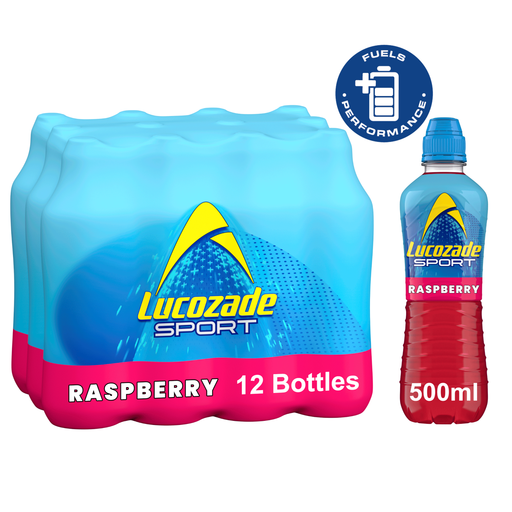
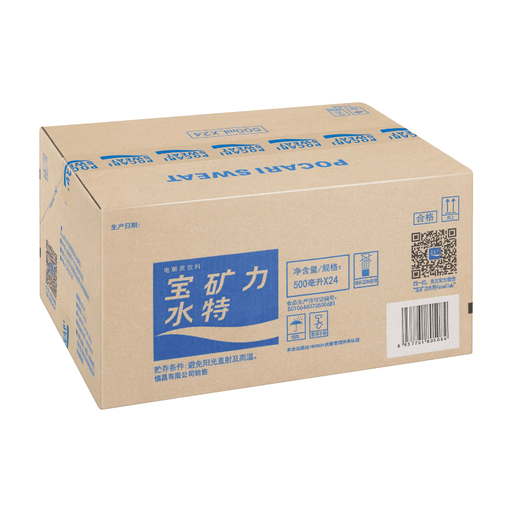
These options are sports drinks sold in packs of 500 ml bottles. They are relevant if you are comparing bottled drinks for a running plan, rather than shopping for one 2-litre squash or cordial concentrate.
 No image available
For a plan involving a bottled isotonic sports drink rather than squash concentrate, this is a pack of twelve 500 ml bottles, not one 2-litre bottle. The product is listed as containing aspartame, a source of phenylalanine, and as unsuitable for people with phenylketonuria.
 No image available
For someone considering a bottled sports drink, this pack contains twenty-four 500 ml bottles rather than a 2-litre cordial or squash bottle. If your plan requires particular electrolyte amounts or an isotonic formulation, check those details on the product label.
Do not assume it can replace planned carbohydrate-and-electrolyte intake. UK Sports Institute guidance says carbohydrate needs increase as exercise gets longer and harder; check the squash’s nutrition at the dilution you will drink before assigning it a role in a long run.
Compare carbohydrate per 100 ml of the prepared drink, serving volume, stated electrolytes and any dilution directions against your session plan. NHS Tayside describes isotonic drinks as containing electrolytes and 4–8 g carbohydrate per 100 ml in diabetes exercise guidance; that description is not an individual marathon-fuelling target.
No: the 2-litre Robinsons products listed by Tesco are concentrated squash. Follow the instructions on the exact bottle and assess the nutrition of the drink after dilution.
Clean it thoroughly after use. GOV.UK hydration guidance notes that sugary electrolyte drinks can encourage bacterial growth in bottles or hydration bladders and advises thorough cleaning at least daily.