Hosts serving a small table
A 2-litre bottle provides four 500 ml servings. It can be a shared bottle for a small group or one drink alongside others; plan for more water if you expect more than four servings.


For a small Sunday brunch, choose a 2-litre still bottle if guests want water without bubbles, or sparkling if they prefer carbonation; one bottle provides four 500 ml servings. Check whether you are buying one bottle or a multipack, and follow the exact bottle’s storage instructions after opening.
Think about how many glasses you expect to pour and whether water will be one of several drinks on the table.
A 2-litre bottle provides four 500 ml servings. It can be a shared bottle for a small group or one drink alongside others; plan for more water if you expect more than four servings.
Decide whether guests want carbonation rather than treating the two styles as interchangeable. Tesco Groceries lists both still and sparkling natural mineral water in 2-litre formats.
If the water designation or mineral composition matters to your choice, read the exact bottle label. England’s Department for Environment, Food & Rural Affairs distinguishes bottled drinking water from spring water and natural mineral water.
Start with the amount and style your table needs, then check the exact bottle’s label and storage directions.
| Priority | What to check | Your needs |
|---|---|---|
| Quantity | Check the volume per bottle and the number of bottles in the pack. A 2-litre bottle provides four 500 ml servings. | I want enough water for the table without mistaking a multipack for a single bottle. |
| Still or sparkling | Read the still or sparkling designation. Tesco Groceries lists both styles in 2-litre bottles. | If guests want bubbles, I’ll choose sparkling; if preferences differ, I’ll consider having still water available too. |
| Water designation | Read the exact designation on the label rather than using mineral, spring and bottled drinking water as interchangeable terms. England’s Department for Environment, Food & Rural Affairs distinguishes these categories. | I want to know what type of water I’m putting on the table, without assuming one designation will suit everyone’s taste. |
| Mineral composition | If composition matters to you, compare figures for the exact products and the same units. A figure published for one bottle size or product is not a figure for a different variant. | I’d like to compare the waters’ stated composition, not assume a brand name tells me what is in this bottle. |
| After opening | Check the bottle’s own refrigeration and use-by directions. Tesco Groceries instructs buyers of its British Natural Mineral Water Still 2L to refrigerate it after opening and consume it within three days. | If some water remains after brunch, I want to know how to store that particular bottle. |
| Availability | Check the current listing or shelf before relying on a particular bottle. A Tesco Groceries listing for Every Day Value Still Water 2 Litre was marked out of stock. | I’m shopping close to brunch and need to know whether my chosen size and style can actually be bought. |
Highland Spring lists a 2-litre still bottle, while Buxton Water’s listed still formats include 1.5 litres but not 2 litres. A smaller bottle changes how many servings you have.
Check the exact size on the retailer listing or bottle before planning quantities around a brand.
Tesco Groceries marked its Every Day Value Still Water 2 Litre listing out of stock. A listing alone does not mean the bottle is available for your shop.
Check current stock shortly before buying and identify another suitable size or style if needed.
England’s Department for Environment, Food & Rural Affairs distinguishes natural mineral water from bottled drinking water; the designation is not a promise that every guest will prefer its taste.
Use the exact label and any stated composition to compare bottles, rather than assuming a category is automatically preferable.
Tesco Groceries directs buyers of its British Natural Mineral Water Still 2L to refrigerate it after opening and consume it within three days. That instruction belongs to that product.
Read the storage statement on the bottle you serve and follow it for any water left after brunch.
For a 2-litre purchase, confirm the format on the exact product listing; a brand’s other bottle sizes do not establish that it sells the size you need.
Highland Spring lists a 2-litre bottle in its still spring-water range.
Evian describes its natural mineral water as coming from the French Alps.
Volvic identifies its natural mineral water with the Auvergne region of France.
Buxton Water lists still natural mineral water in several bottle sizes.
Tesco Groceries lists 2-litre still and sparkling natural mineral-water products.
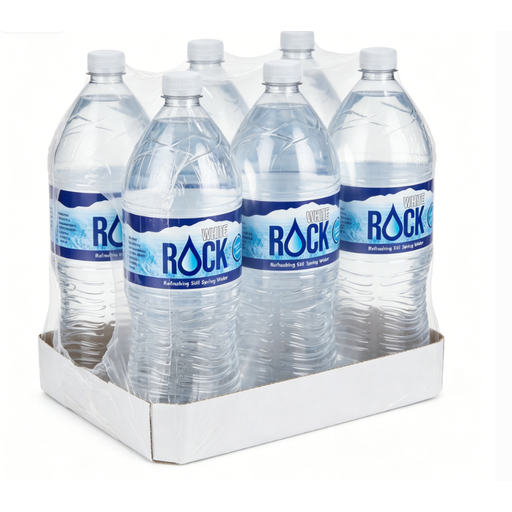
The Joybuy option here is a six-pack of 2-litre still spring-water bottles, suited to a host who wants several shared bottles rather than a single bottle or a sparkling option.
 No image available
The six 2-litre bottles give you several shared bottles for brunch. Check whether that pack quantity matches your planned servings, and follow the bottles’ label directions for any water left after opening.
One 2-litre bottle provides four 500 ml servings. It may suit a small table or serve as one of several drinks; plan for additional water if you expect more than four such servings.
Choose according to whether guests want carbonation. If preferences are mixed or unknown, having still water available alongside sparkling gives guests a choice; Tesco Groceries lists both styles in 2-litre formats.
No. England’s Department for Environment, Food & Rural Affairs distinguishes bottled drinking water from water sold as natural mineral water or spring water, and its natural mineral-water guidance specifies stable composition. Read the exact designation and any composition information on the bottle rather than treating the terms as interchangeable.
Follow the instructions on the bottle you opened. Tesco Groceries says its British Natural Mineral Water Still 2L should be refrigerated after opening and consumed within three days; do not assume that the same period applies to every product.