
24/7 全天候客户支持

免费退货

当日/次日达

品质保障

开启新人专享福利: 全场免邮 | 低至 2 折 | 免费试用 30 天 JoyPlus 会员
下载 Joybuy
Navigating the world of ultralight backpacking gear can feel like a trek in itself. When it comes to selecting a 2 person ultralight backpacking tent, the market is flooded with claims of feather-light weights and bombproof protection. However, many experienced hikers in the UK have learned the hard way that not all tents are created equal, especially when faced with a sudden downpour in the Brecon Beacons or a persistent wind in the Cairngorms.
Before you invest, it is crucial to understand the common pitfalls that can lead to a disappointing and potentially trip-ruining purchase.
To make an informed choice, focus on the specifications that directly impact performance in the field. Cutting through the marketing jargon and understanding these three areas will ensure you get a tent fit for purpose.
A tent's ability to keep you dry is measured by its Hydrostatic Head (HH) rating. This figure, in millimetres, indicates the column of water the fabric can withstand before it starts to leak. For a 3 season backpacking tent intended for UK use, a flysheet with a minimum rating of PU2000mm is a sensible benchmark. This level of protection ensures the fabric can handle prolonged, wind-driven rain. Equally important are factory-taped seams, which prevent water from seeping through the stitching—a critical detail for any waterproof hiking tent.
The fabric of your tent is a balancing act between weight and resilience. Look for specifications like 20D ripstop nylon. The 'D' stands for denier, a measure of the fibre's thickness; a lower number like 20D indicates a very lightweight thread. The 'ripstop' part is a grid of heavier threads woven into the fabric, which prevents small punctures from turning into major tears. Many high-performance tents also feature a silicone treatment (silnylon), which enhances water repellency and longevity without adding significant weight.
The pole structure is the backbone of your tent, providing its shape and wind resistance. For any serious lightweight 2 man hiking tent, tent with aluminium poles are the standard. Look for high-grade aluminium alloys (like 7000-series or proprietary equivalents such as FFP) which offer an excellent strength-to-weight ratio. They are engineered to flex under wind load and return to shape, unlike cheaper fibreglass which can snap. A well-designed, intersecting pole geometry is also key to creating a stable, wind resistant tent that sheds rain effectively and maximises internal living space.
Based on these critical parameters, we have identified several items that meet the demands of different outdoor enthusiasts. Instead of a single "best" option, we match products to the specific needs of the user.
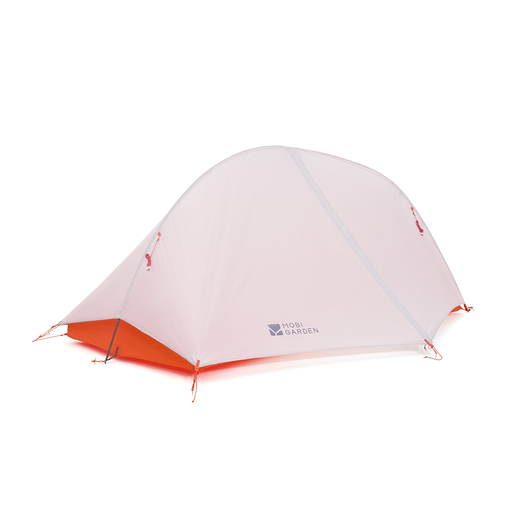
Why This Fits Their Persona: Ideal for the dedicated thru-hiker tackling long-distance UK trails like the Pennine Way. Every gram is scrutinised, but reliability is non-negotiable. This tent provides genuine ultralight performance for a 2 person tent for backpacking without compromising on weather protection.
It directly counters the pitfalls with a PU2000mm waterproof rating, durable 20D ripstop nylon fabric and high-strength ultralight aluminium poles. The design balances a low weight (approx. 1.18 kg) with good ventilation and dual doors, avoiding the cramped, condensation-prone experience of lesser tents.
Excellent weight-to-space ratio for two people. The large mesh inner tent significantly reduces condensation while providing insect protection. Dual doors and vestibules offer easy access and separate gear storage.
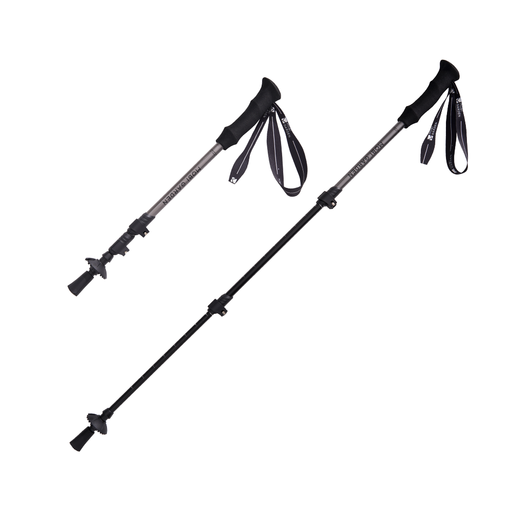
Why This Fits Their Persona: An essential accessory for those navigating the varied and often boggy terrain of the Scottish Highlands or Lake District fells. This user prioritises joint protection and stability on steep, technical ground over shaving every last gram.
This pole avoids the "false economy" of cheap equipment. Made from high-strength 7075 aluminium alloy, it is a durable, long-term investment, unlike flimsy poles that can bend or have their locking mechanisms fail in cold, wet conditions, creating a safety risk.
Features a robust external flip-lock system that is easy to adjust with gloves on and is less prone to jamming than internal twist-locks. The comfortable EVA foam grip wicks away sweat for a secure hold all day.
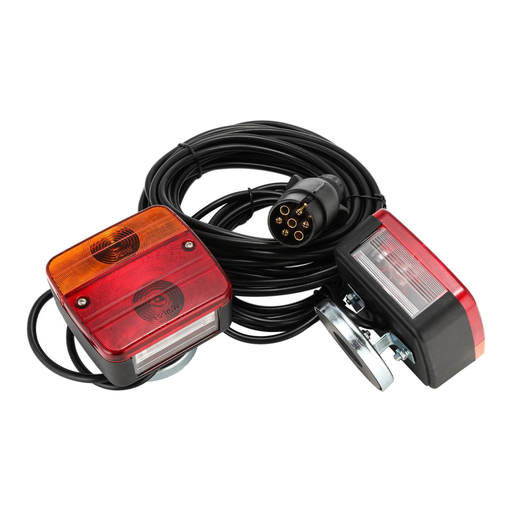
Why This Fits Their Persona: For the adventurer whose basecamp is mobile. This is perfect for those towing a small gear trailer for climbing trips to the Peak District or surf trips to Cornwall, ensuring their entire setup is road-legal and safe for travel.
This kit helps avoid the significant legal and safety pitfalls of using non-compliant or unreliable towing lights. Being E4 approved, it ensures you meet UK road standards, preventing fines and accidents caused by poor visibility.
The powerful magnetic fitting allows for quick and easy installation without tools. A generous 7.5m cable provides ample length for various trailer sizes, making it a practical, no-fuss solution.
We have compiled a complete, real-time list of products that fully satisfy these strict selection criteria and UK safety regulations.
How much should a good 2 person ultralight backpacking tent weigh? For a genuine ultralight 2 person tent for backpacking that is suitable for UK conditions, a realistic target for the total packed weight is between 1 kg and 1.5 kg. Tents significantly heavier than this compromise the "ultralight" advantage for long-distance hiking, while those that are dramatically lighter may do so by sacrificing durability, space or essential weather protection.
What does "3-season" mean for a backpacking tent in the UK? A 3 season backpacking tent is engineered for use in spring, summer and autumn. In the specific context of the UK's climate, this means the tent must be able to handle persistent rain and moderately strong winds. It is not, however, designed to bear heavy snow loads or withstand the extreme gales associated with winter mountaineering. Key features to look for are a robust pole structure and a flysheet with a waterproof rating of at least PU2000mm.
How do I stop condensation inside my lightweight tent? Condensation is a common issue, particularly in the damp UK climate. To minimise it, choose a double-wall tent design that features a large mesh inner area. When pitching, ensure the flysheet is pulled taut and all guy lines are used to create as much space as possible between the inner and outer layers. This promotes airflow. Even in cold or wet weather, opening the tent's vents, even just a small amount, can make a significant difference in reducing moisture build-up overnight.