BBQ hosts serving mixed drinks
Choose between individual portions and a shared bottle according to how many drinks will use the same mixer and whether guests want different flavours.


Choose 200ml mixers if guests will have individual serves or choose different flavours; a 500ml bottle makes more sense when several drinks will use the same mixer. Check that the exact pack is glass before buying, then compare flavour, ingredients and nutrition information for the drinks you plan to make.
Choose between individual portions and a shared bottle according to how many drinks will use the same mixer and whether guests want different flavours.
Compare the tonic’s botanical, citrus and bitter notes with the gin and garnish you intend to serve. Fentimans describes several distinct tonic styles in its range.
Check the material of the exact bottle and size. Fever-Tree says it uses glass bottles and aluminium cans rather than PET, so its packaging policy alone does not identify whether a particular format is a bottle or a can.
Start with pack material and serve size; once those suit the gathering, compare flavours and the nutrition panel of the exact variant.
| Priority | What to check | Your needs |
|---|---|---|
| Glass packaging | Look for glass stated for the exact product and size; do not rely on the word “bottle”. A St Austell Brewery Wholesale listing specifies a London Essence 24 × 200ml glass-bottle case, but that does not establish the packaging of other formats. | I want glass bottles on the table, so I need to confirm the material of the pack I am buying. |
| Serve size | Compare the number of drinks using one mixer with the bottle size. Fentimans lists 200ml mixers, while Tesco listed Fever-Tree Premium Indian Tonic Water in a 500ml bottle; check storage instructions for any bottle you will open and keep. | Will guests choose separate flavours, or will several drinks use the same tonic? That determines whether individual portions or a shared bottle are more practical. |
| Flavour | Read the exact variant description for quinine bitterness, botanical notes and citrus flavours. Fentimans describes herbal infusions and citrus ingredients in its Premium Indian Tonic Water. | I may want a classic tonic alongside a different flavour, rather than asking every guest to use the same mixer. |
| Nutrition and ingredients | Compare sugars and energy using the same labelled quantity, such as per 100ml, then consider the amount you intend to pour. Check the ingredients of the exact tonic if quinine matters to you. | For the drinks I am serving, I want to compare like-for-like figures rather than assume that all tonic variants have the same ingredients or nutrition. |
A bottle-format listing does not always identify its material. The cited Schweppes and Sainsbury’s 1L listings do not establish glass packaging for those exact packs.
Check the material in the current product details or on the physical label before relying on a glass-bottle choice.
Fentimans describes different botanical and citrus profiles across its tonic range, so the flavour choice can change the drink you serve.
Consider a classic tonic and a second flavour if guests want a choice; smaller portions let you offer those options without opening several larger bottles.
A per-serving figure and a per-100ml figure describe different quantities, so reading them side by side can give the wrong impression.
Use the same labelled quantity for the comparison, then account for the amount of mixer in each drink.
Sainsbury’s instructs customers not to refill its Indian Tonic Water 1L bottle for hygiene reasons.
Follow the instructions on the exact pack; use a container designed for refilling if you need a drinks dispenser.
These ranges illustrate formats and flavour choices to check; a brand’s inclusion does not establish the packaging of every product it sells.
Tesco listed Premium Indian Tonic Water in a 500ml bottle. Fever-Tree says its packaging uses glass bottles and aluminium cans rather than PET bottles.
Fentimans describes a 200ml range spanning tonic flavours and other mixers, including soda water and ginger ale.
Sainsbury’s lists a 1L Schweppes tonic with a quinine-and-lemon flavour description.
Carlsberg Britvic lists Original Indian, Blood Orange & Elderflower, and Grapefruit & Rosemary tonics in the collection.
Sainsbury’s lists an own-label Indian Tonic Water in a 1L format with storage and post-opening instructions.
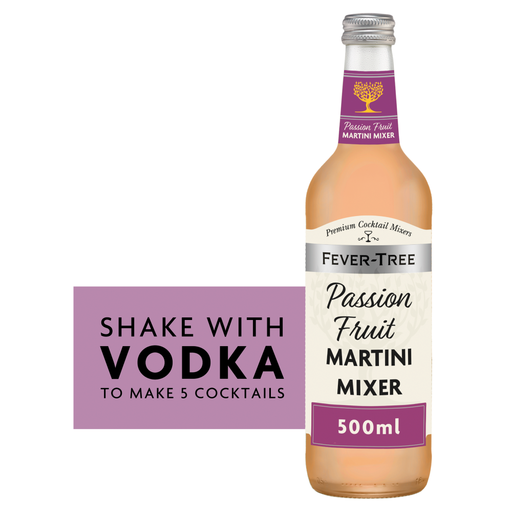
This Joybuy option is a cocktail mixer for BBQ drinks, rather than one of the tonic-water formats discussed above. Check its exact variant and pack details against your serving plans.
 No image available
A 500ml cocktail mixer to consider if you plan to make mixed drinks for the BBQ. The product’s variant descriptions conflict, so confirm the flavour and recipe on the exact listing before buying; check its pack material if you specifically need glass.
Choose 200ml portions when guests will have individual serves or select different flavours; consider a 500ml bottle when several drinks will use the same mixer. Fentimans lists 200ml mixers, and Tesco listed Fever-Tree Premium Indian Tonic Water in a 500ml bottle. Confirm glass packaging for the exact product you choose.
Do not assume glass from the word “bottle”. Fever-Tree says it uses glass bottles and aluminium cans rather than PET, while the cited Schweppes and Sainsbury’s 1L listings do not establish glass for those exact packs. Check the current product details or label.
Follow the instructions for the exact bottle. Sainsbury’s says not to refill its Indian Tonic Water 1L bottle for hygiene reasons; use a container designed for refilling if you need one.
In England, GOV.UK guidance says waste collectors must collect glass among household dry recyclables from 31 March 2026. Follow your local authority’s instructions for collection and preparation. For Scotland, Wales or Northern Ireland, check the relevant local guidance rather than assuming the England rule applies.
The Food Standards Agency’s Great Britain register lists quinine hydrochloride as authorised for non-alcoholic beverages in England, Scotland and Wales, subject to a maximum of 100 mg/kg. That limit does not tell you how much is in a particular tonic; check the exact ingredients label if quinine matters to you.