
24/7 Customer Support

Free returns

Same-day & Next-day Delivery

Quality Guaranteed

Unlock Your Welcome Offers: FREE Delivery | Up to 80% OFF | Free 30-day JoyPlus trial
Download the APP
As a UK gardener or allotment holder, you understand the value of rainwater. It’s free, naturally soft and better for your plants than treated tap water. A water butt is a simple way to capture this resource, helping you maintain a lush garden, reduce your water bills and navigate the increasingly common hosepipe bans.
However, the market is filled with options that look good on paper but fail in practice. Before you invest, it’s important to be aware of a few common purchasing pitfalls that can lead to frustration and wasted money.
To ensure you get a reliable system that serves your garden for years, focus on these core components. A proper 210l water butt kit should be a complete, well-engineered solution.
A true rainwater harvesting kit should provide everything you need for installation straight out of the box. This means it must include:
The durability of a garden water butt 210 litre comes down to its material. The standard to look for is UV-stabilised, recycled plastic.
Beyond the basics, a well-designed rainwater butt with stand and tap considers everyday use. A secure, lockable lid is important to keep debris out and ensure safety, especially in gardens with children or pets. The overall footprint should also be considered; while a 210-litre capacity is ideal for many, a slimline model might be more suitable for tighter spaces without sacrificing too much volume.
Here are a few options that align with these practical considerations, matched to different types of gardeners.
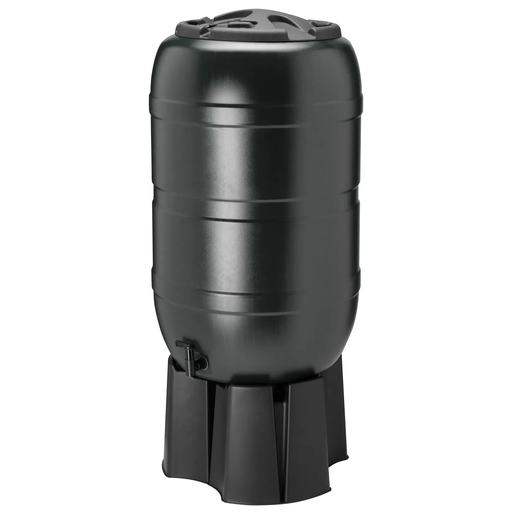
Why This Fits Their Persona: This is an ideal all-in-one solution for a typical UK homeowner with a medium-sized garden or allotment. The 210L capacity provides a substantial water reserve for flowerbeds and vegetable patches during dry spells.
It is sold as a complete set, including the butt, a purpose-built stand, a tap and the connection kit. There are no hidden extras to buy.
Made from durable recycled plastic, it's a robust and environmentally conscious choice. The lockable lid adds a layer of safety and keeps the water clean.
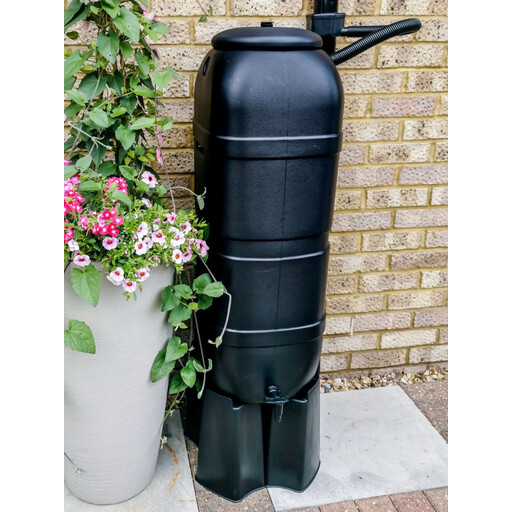
Why This Fits Their Persona: Perfect for those with limited space, such as a narrow patio, balcony or a small courtyard garden. The slimline design allows for rainwater collection without dominating the area.
This model provides a stable, complete system in a compact footprint, avoiding the issue of trying to fit a bulky, ill-fitting butt into a tight space.
It's a space-efficient design that still comes as a full kit with a stand and diverter. The 100L capacity is ample for container gardening and smaller plots.
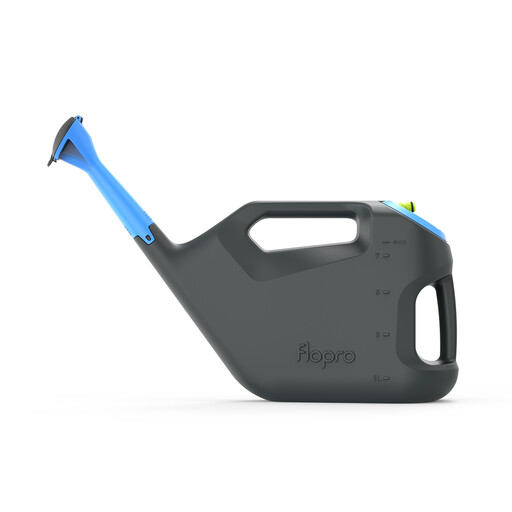
Why This Fits Their Persona: For the gardener who has their water butt set up and wants the most convenient way to use the collected water. This watering can is designed for ease of use, directly addressing common frustrations.
It solves the problem of awkwardly filling a can from a water butt tap. The unique hose connection point allows for quick, spill-free filling.
Features a flip-top spray head to switch between a gentle rose and a fast pour without losing parts. Two handles provide better balance and control when carrying and pouring.
We have compiled a complete, real-time list of products that fully satisfy these strict selection criteria and UK safety regulations.
The lifespan of a water butt depends heavily on its material quality. A well-made model constructed from UV-stabilised, frost-resistant plastic can reasonably be expected to last for 10 to 20 years. In contrast, cheaper alternatives may only survive a few seasons before becoming brittle and cracking. To maximise its life, it's good practice to drain most of the water before a hard frost to prevent ice expansion from damaging the container.
For most people, installing a water butt diverter kit is a straightforward DIY task that doesn't require a professional. The process typically involves measuring and cutting a small section of your plastic downpipe and fitting the diverter into the gap. Most kits come with clear instructions and all the necessary fittings.
A garden water butt 210 litre is an excellent capacity for most medium-sized UK gardens. It can fill a standard 10-litre watering can 21 times over, providing a significant water reserve for your plants during dry spells. For those with very large gardens, extensive vegetable plots or allotments, it is also possible to link multiple water butts together to increase your total storage capacity.