
24/7 全天候客户支持

免费退货

当日/次日达

品质保障

开启新人专享福利: 全场免邮 | 低至 2 折 | 免费试用 30 天 JoyPlus 会员
下载 Joybuy
A reliable cool box is the unsung hero of any successful British camping trip, picnic or fishing weekend. It stands between you and lukewarm drinks or spoiled food. Yet, navigating the market for a 22L camping cool box can be frustrating. Many products promise long-lasting chill but fail within hours, leaving you with a soggy mess. As your Joybuy Product Recommendation Officer, my role is to help you sidestep these common issues and find a cooler that genuinely performs.
Before you spend your money, be aware of these frequent purchasing pitfalls:
To ensure your food and drinks stay cold, focus on these non-negotiable technical specifications. They are the true indicators of a quality insulated cooler for camping.
The single most important factor is the insulation. Look for coolers that specify high-density PU (polyurethane) foam. This material is injected between the inner and outer walls, filling all voids to create a solid, continuous barrier against heat transfer. It is significantly more effective than the cheaper expanded polystyrene (EPS) foam or, worse, just an air gap found in low-quality models. A cooler with full PU foam insulation is the foundation of multi-day cooling performance.
A portable cool box needs to withstand being moved around, used as a makeshift seat and exposed to the elements. A hard shell cooler made from food-grade PP (polypropylene) is an excellent choice. This material is robust, resistant to knocks and scrapes and safe for direct contact with food. Also, check for features like reinforced corners and a sturdy, comfortable handle that won't fail when the box is fully loaded. This durability is essential for a reliable cool box for car journeys and campsite life.
Pay close attention to the lid's sealing mechanism. A high-quality large ice box will feature a thick, flexible silicone gasket running along the rim of the lid or body. When closed and latched, this gasket compresses to create an airtight seal, preventing temperature exchange. This is a feature often overlooked by buyers but is critical for maintaining cold temperatures for more than a single day.
Here are a few options from our catalogue, matched to different user needs and designed to avoid the pitfalls mentioned above.
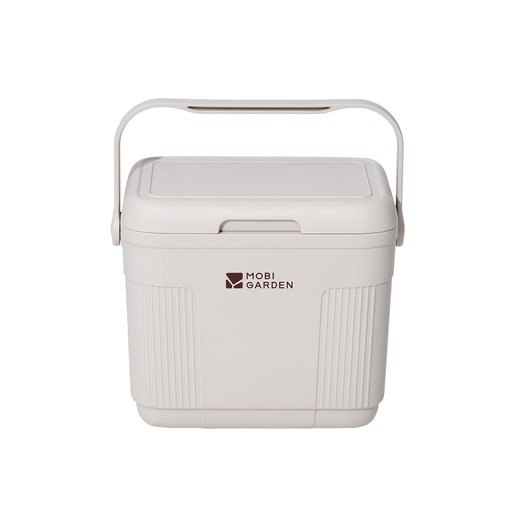
Why This Fits Their Persona: This 22L capacity is ideal for a family of 3-4 on a weekend getaway. It's large enough for food and drinks for a couple of days without being too cumbersome to fit in the car boot alongside other camping gear.
It directly counters the primary pitfalls with its high-density PU foam insulation and a widened silicone gasket, ensuring genuine, long-lasting cold retention rather than just looking the part.
Features a food-grade PP body for safe storage and includes two ice boxes with dedicated internal slots to maximise cooling efficiency and usable space.
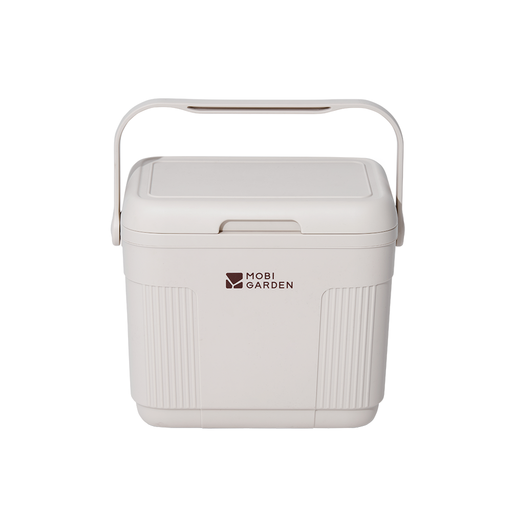
Why This Fits Their Persona: Perfect for the individual on a fishing trip, a couple enjoying a **picnic cooler** or as a secondary drinks cooler. Its compact size makes it exceptionally portable and easy to manage for one person.
Unlike many small, cheap coolers, this 10L model does not compromise on core features. It retains the essential PU foam insulation and a proper silicone lid seal, offering serious performance in a small package.
Its small footprint and one-piece carry handle make it an ideal cool box for car travel, fitting easily behind a seat or in the footwell for quick access to cold drinks on a road trip.
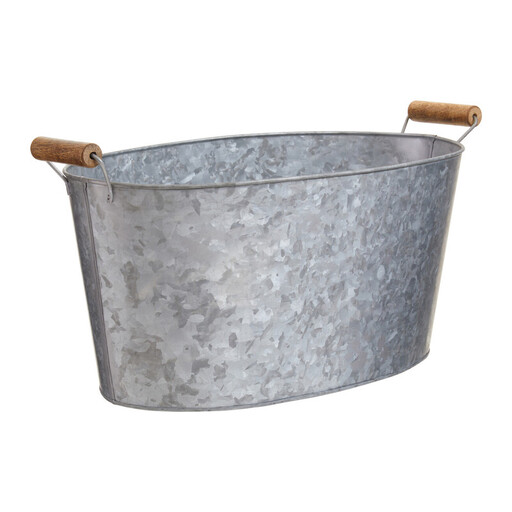
Why This Fits Their Persona: For those hosting a BBQ or garden party, accessibility and style often trump long-term insulation. This tub allows guests to easily see and grab drinks, serving as a functional and attractive centrepiece.
This recommendation avoids a trap by clarifying its purpose. It is a party tub for short-term chilling, not an insulated cooler for camping. Understanding this distinction prevents disappointment.
Its durable galvanised steel construction offers a rustic-industrial aesthetic, while the natural rubberwood handles provide a comfortable grip for carrying. It's designed for presentation and convenience.
We have compiled a complete, real-time list of products that fully satisfy these strict selection criteria and UK safety regulations.
To maximise performance, always pre-chill the cooler itself with a bag of ice or frozen water bottles for a few hours before you pack it. Always pack it with pre-chilled or frozen food and drinks. Fill as much empty space as possible with extra ice or even crumpled newspaper to reduce air pockets and keep the cooler in the shade whenever you can. Finally, limit how often you open the lid.
A 22L capacity is generally a good size for a family of 3-4 for a weekend trip (1-2 nights). It can hold essential food and a good number of drinks if packed efficiently. For trips longer than two nights or for larger families, you may want to consider a larger model or supplement your 22L box with a smaller, secondary cooler just for drinks.
It is strongly advised not to use dry ice in a sealed plastic cooler. As dry ice turns from a solid to a gas (sublimation), it releases a large volume of carbon dioxide. In an airtight container, this can cause a dangerous pressure build-up, potentially damaging the cooler or causing the lid to burst open. Always check the manufacturer's specific safety warnings before use.