Hosts serving a large self-service brunch
Individual sticks or sachets let guests prepare one portion at a time without a coffee machine. For a 240-count box, estimate mugs served across the whole brunch, including likely refills.


A 240-sachet box makes sense when you expect enough self-service coffee rounds to use individually portioned drinks; count expected mugs, including refills, rather than treating 240 sachets as suitable for 240 guests. Choose plain coffee sticks with separate additions if guests need control over milk and sugar; a 3-in-1 box simplifies serving but fixes the drink’s ingredients and taste.
Individual sticks or sachets let guests prepare one portion at a time without a coffee machine. For a 240-count box, estimate mugs served across the whole brunch, including likely refills.
Plain coffee gives guests a choice of additions, while a 3-in-1 sachet already combines coffee, milk and sugar, as Nescafé UK describes its 3-in-1 range. A separate decaffeinated choice may also matter to the group.
Ingredient information matters when choosing what to serve. GOV.UK and Food Standards Agency guidance says retail and catering food businesses must provide allergen information for both prepacked and non-prepacked food and drink.
Start with the number of drinks you expect to serve, then decide how much choice guests need over the ingredients. That determines whether fixed portions or a measured-coffee station is more practical.
Consider when: Many guests will accept the same coffee, milk and sugar combination.
Trade-off: Each drink has a preset recipe, so keep another option for guests it does not suit.
Consider when: Guests should be able to make black coffee or add their preferred milk and sweetener.
Trade-off: You will need to set out those additions separately.
Consider when: A host-led station suits the brunch better than individually portioned drinks.
Trade-off: Measuring and keeping the station tidy take more attention.
| Priority | What to check | Your needs |
|---|---|---|
| Portion count | Check the stated number of sticks or sachets, then count expected mugs rather than guests. A 200-stick pack needs a top-up if your target is 240 portions. | Will guests return for another coffee? I would allow for those extra mugs before choosing a pack count. |
| Drink format | Read the exact variant label: Nescafé UK describes its 3-in-1 as coffee, milk and sugar, while plain coffee needs any additions supplied separately. | I want guests to choose how much milk or sugar goes into their coffee, rather than receive the same pre-mixed drink. |
| Ingredients | Check the current pack label for ingredients and allergens, particularly when selecting a milk-containing pre-mix. Check the exact decaffeinated product if offering one. | Some guests may need an alternative to the pre-mix, and I need to know what is in each option I serve. |
| Service setup | For sticks or sachets, plan hot water and a place for used packaging. For jars, arrange measuring spoons and a way to keep the serving area tidy. | If several people make coffee at once, I need a station they can use without waiting for each drink to be measured. |
| Pack details | Confirm the exact count, variant, current availability and best-before date before relying on a catering carton. | I need the coffee ready for Sunday, with enough of the right variant for the planned servings. |
A 240-count carton contains 240 single portions, but guests who have a second mug use another portion. A 3-in-1 recipe will not suit everyone who wants plain coffee or different additions.
Estimate total mugs, then provide an alternative if the preset drink does not suit the expected group.
FoodArt UK listed Nescafé 3-in-1 Original and Mild 240-count cartons as out of stock. A 200-count plain-stick pack is a different format and quantity.
Check current availability, count and variant before settling the brunch plan; decide how you would cover the servings if the carton cannot be ordered.
Pack sizes and recipes differ: Tesco lists eight-sachet coffee products, while catering suppliers list larger stick packs. The same number of packs need not mean the same number or type of drinks.
Compare the stated serving count and ingredients of the exact products you are considering.
Ingredients can change, as Sainsbury’s advises on its product listings. For food businesses, GOV.UK and Food Standards Agency guidance requires allergen information for prepacked and non-prepacked food and drink.
Check the label on the variant received and keep the relevant information available when serving customers.
These brand examples help distinguish sachets, sticks and measured coffee; a brand’s inclusion does not mean every format is a 240-count carton.
Nescafé UK describes its 3-in-1 sachets as containing coffee, milk and sugar. Nisbets lists Nescafé Original plain coffee sticks in a 200-pack, while FoodArt UK indexed 240-count 3-in-1 cartons.
Kenco GB lists Rich, Smooth, Decaf and Millicano instant coffees. These are relevant when considering a measured-coffee station alongside portioned drinks.
Sainsbury’s lists Douwe Egberts Pure Gold instant coffee in a 190 g format, an option for a station where coffee is measured into mugs.
Sainsbury’s lists Carte Noire Classique and Intense as instant-coffee options for a measured-coffee station.
Tesco lists own-label Cappuccino and Mocha sachets in eight-count packs, which are smaller-format choices for offering different drinks.
Sainsbury’s lists own-label instant-coffee jars, including Gold Roast Decaffeinated, for a measured-coffee station.
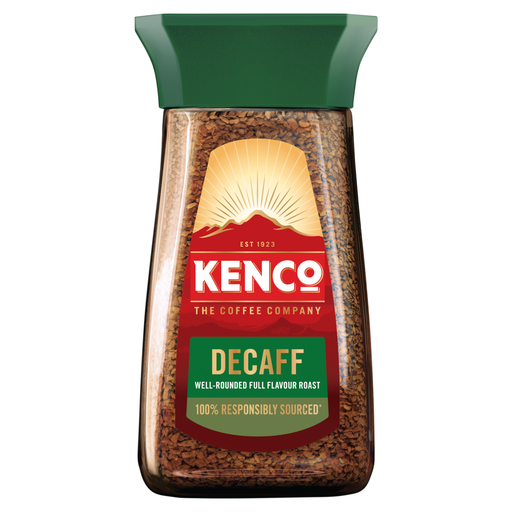
This decaffeinated jar is an option for a measured-coffee station alongside the main brunch supply, rather than a 240-sachet catering box.
 No image available
This 100 g decaffeinated instant-coffee jar provides a measured option for guests who want decaf. It is not an individually portioned 240-sachet box; check how many servings you plan to make from it and confirm availability before relying on it for brunch.
A 240-count box provides 240 single-sachet portions, not necessarily coffee for 240 different guests. Count the mugs you expect to serve, including refills, and check whether the chosen drink suits the group.
Choose 3-in-1 if its preset coffee, milk and sugar combination suits the guests you expect; choose plain sticks when people need to add their own milk or sweetener, or drink their coffee black. Set out any additions and a separate decaf choice that your group needs.
Not to make the drink described by Nescafé UK: its 3-in-1 sachets already combine coffee, milk and sugar. Separate choices may still be useful for guests who do not want that combination; check the instructions and ingredients on the exact carton bought.
Check the ingredients and allergens of the exact products served and provide the required information to customers. GOV.UK and Food Standards Agency guidance says retail and catering food businesses must provide allergen information for both prepacked and non-prepacked food and drink.
Read the current pack label before serving rather than relying on a listing alone. Sainsbury’s advises that product ingredients can change, so the information for the exact variant received matters.