Hosts serving a larger group
Individual tea bags make it straightforward to prepare one portion at a time. For the Yorkshire Tea x240 pack, Sainsbury’s lists 100°C water and a 4–5 minute brew; check the instructions on the pack you buy.


Choose a 240-bag pack if you need individual portions for a larger afternoon tea; choose loose leaf if you want to prepare and strain tea in pots. A box of 240 tea bags is not loose leaf, and an 80g loose-leaf caddy cannot be treated as 240 servings. If guests request decaffeinated tea, provide it as a separate choice rather than assuming the regular black-tea pack meets that need.
Individual tea bags make it straightforward to prepare one portion at a time. For the Yorkshire Tea x240 pack, Sainsbury’s lists 100°C water and a 4–5 minute brew; check the instructions on the pack you buy.
Loose leaf suits a table where tea will be measured, brewed and strained. Have a suitable teapot, infuser or strainer ready, and plan quantities using the chosen tea’s instructions rather than a tea-bag count.
Keep a separately labelled decaffeinated option available if guests request one. The regular Yorkshire Tea x240 product is listed as black tea, not as decaffeinated tea.
Choose this when: You want to prepare cups individually without measuring leaves during service.
Trade-off: The count helps with portion planning, but this is not loose-leaf pot service.
Choose this when: Preparing and pouring tea from a pot is part of the afternoon tea you have planned.
Trade-off: You will need to measure and strain the tea; pack weight alone does not establish a number of cups.
| Priority | What to check | Your needs |
|---|---|---|
| Portion count | Check the stated number of bags, not just the pack weight. Bettys and Sainsbury’s list Yorkshire Tea in a 240-bag format. | I’m serving a larger group and want to plan around individual bags rather than measure tea for each cup. |
| Tea format | Confirm whether the product contains tea bags or loose leaf. For loose leaf, check the brewing measure and arrange a pot, infuser or strainer. | Pot service matters to me, so I need actual loose leaf—not a box described by its number of bags. |
| Caffeine choice | Read the exact product label for decaffeinated wording and check its separate pack count. Do not assume a regular black-tea pack is decaffeinated. | Some guests may prefer a decaffeinated cup, while others may want regular black tea. |
| Pack information | Check ingredients and any dietary information on the physical pack before serving. Follow that product’s brewing instructions. | When I’m serving guests with particular dietary requirements, I want to check the tea I’ll actually use. |
Fortnum & Mason lists a selection containing 120 tea bags with a net weight of 240g. Weight and bag count answer different questions.
If your serving plan calls for 240 individual bags, check that the pack explicitly states 240 tea bags.
Tea bags offer individual portions, while loose leaf needs measuring and straining. Switching formats changes how you prepare and serve each pot.
Decide on cup-by-cup or pot service before writing the shopping list, and arrange the equipment needed for the chosen format.
Bettys lists the Yorkshire Tea x240 pack as black tea; Yorkshire Tea offers decaf as a separate range.
If guests request decaf, choose and label that option separately from the regular tea.
Ingredients and other product information can change between a retailer listing and the pack supplied.
Before serving, read the physical pack for its current ingredients, dietary information and preparation instructions.
These ranges illustrate different pack counts and formats; a brand reference does not mean every product in its range suits a 240-bag plan.
Bettys and Sainsbury’s list Yorkshire Tea in a 240-bag black-tea format. Yorkshire Tea also describes loose tea and decaf as separate options.
Twinings lists English Breakfast packs of 120 and 300 tea bags; its 300-bag listing specifies 100% black tea.
Whittard’s tea range distinguishes loose-leaf tea from tea bags.
Fortnum & Mason lists loose-leaf caddies and tea-bag selections, including a selection labelled 120 tea bags, 240g.
Bettys lists Yorkshire Tea’s 240-bag product alongside its own tea bags, including an 80-bag Tea Room Blend.
These options cover individually portioned tea bags in several pack counts, a loose-leaf caddy for measured brewing and a separate decaffeinated tea-bag choice. Choose by format and the number of portions you intend to prepare.
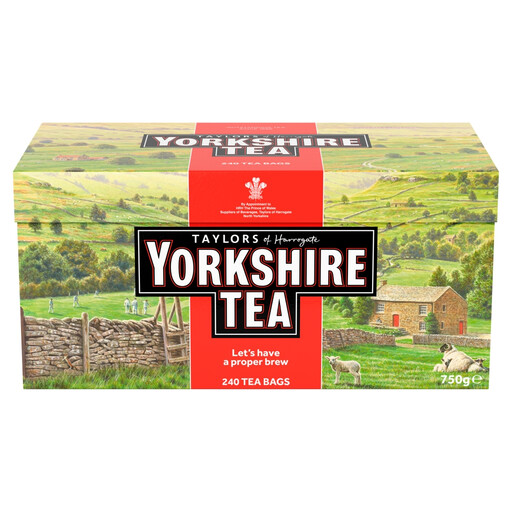 Image unavailable
The 240 individual bags fit a serving plan based on one bag per cup. This is regular black tea in bags, not loose leaf or a decaffeinated choice; check the pack instructions before brewing.
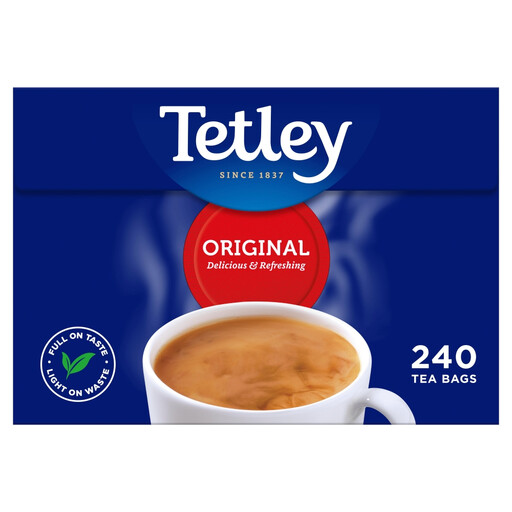 Image unavailable
Another 240-bag format for serving individual cups of black tea. It is not loose leaf; use the instructions and dietary information on the current pack.
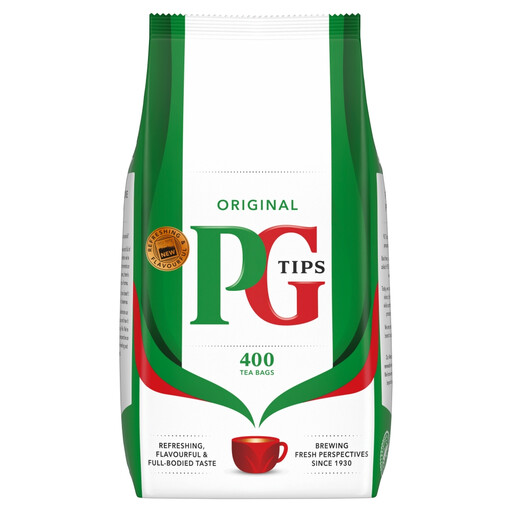 Image unavailable
This black-tea pack provides individual bags if your plan calls for more than 240. Its stated count is 400, so it is not an exact 240-bag purchase or a loose-leaf option.
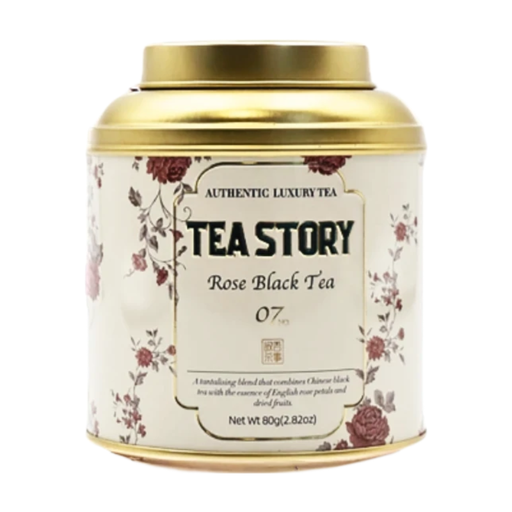 Image unavailable
Choose this caddy if you want to measure loose leaf for pot or infuser service. It contains 80g rather than a stated 240 portions; plan the amount needed using the product’s preparation instructions.
 Image unavailable
A separately labelled decaffeinated tea-bag option for guests who request one. The pack contains 160 bags, not 240, and is not loose leaf; check its current label before serving.
No. A 240-bag box contains individually portioned bags. Yorkshire Tea describes loose tea separately as tea without the bag; if you want loose leaf, check the pack weight and plan how you will measure and strain it.
Sainsbury’s lists 100°C water and a 4–5 minute brew for its Yorkshire Tea Bags x240 listing. Follow the instructions on the current pack you are serving.
Offer a separate decaffeinated option if guests request one; age alone does not establish anyone’s preference. Check that the product you buy is labelled decaffeinated rather than relying on the regular black-tea pack.
Read the current tea pack for ingredients and dietary information, and check the labels of accompanying foods separately. Retailer descriptions can change, so use the physical products you will serve when answering guests’ ingredient questions.