
24/7 Customer Support

Free returns

Same-day & Next-day Delivery

Quality Guaranteed

Unlock Your Welcome Offers: FREE Delivery | Up to 80% OFF | Free 30-day JoyPlus trial
Download the APP
A 256GB memory card can add substantial storage to a camera, phone, tablet or games console, but capacity alone does not determine whether it is suitable. The wrong format, inadequate sustained write speed or an incompatible host device can leave you with recording interruptions, slow transfers or a card that cannot be recognised.
This guide from the Joybuy Product Recommendation Officer focuses on the specifications that matter, common purchasing traps and practical matches for different types of UK user.
A large number printed on the packaging often refers to maximum sequential read speed. This mainly affects how quickly files move from the card to a computer. For photography bursts, 4K video and large game downloads, the write speed and sustained performance are equally important.
A card rated U3 or V30 is designed for a minimum sustained write performance of 30MB/s under the relevant standard. This is more useful for video buyers than a headline read-speed figure alone.
A standard 256GB SD card is designed for full-size SD slots found in many cameras and laptops. A 256GB microSD card is smaller and used in smartphones, tablets, drones, action cameras and handheld consoles. Some microSD products include a full-size SD adapter, but the adapter changes the physical size only; it does not increase the card’s speed.
Always check the device manual. A device with a microSDHC slot may not support the larger capacity range of a microSDXC memory card, while older cameras may have limits on capacity or file format.
A card intended for Full HD clips may not be appropriate for high-bitrate 4K recording, rapid RAW bursts or frequent file transfers. Likewise, an A-rated card can be useful for running apps on some Android devices, but Android software support and app-movement options vary by manufacturer.
Also remember that advertised capacity is measured using decimal units. The usable space shown by your device will be lower after formatting and system overhead.
Both SDXC and microSDXC cards commonly cover capacities from 64GB to 2TB. A 256GB card therefore normally falls within the SDXC family. Confirm that your camera, phone, tablet, drone or console supports SDXC and the relevant interface.
For a microSD card used in a standard SD slot, check that the package includes an adapter. Some products, such as the SanDisk Ultra microSDXC card listed below, are supplied with one.
For example, the Samsung T9 256GB microSD card is specified with U3, V30 and A2 ratings, alongside read speeds up to 200MB/s and write speeds up to 130MB/s. The maximum figure may require a suitable reader and compatible device.
Waterproof, shockproof, temperature-proof and X-ray-proof descriptions refer to specified test conditions, not unlimited protection. Keep cards dry before inserting them into a device, avoid removing them during data transfers and maintain a separate backup of important photographs or work files.
Warranty terms also differ. Check whether the product has a limited lifetime warranty, a fixed-term warranty or another manufacturer policy, and retain proof of purchase.
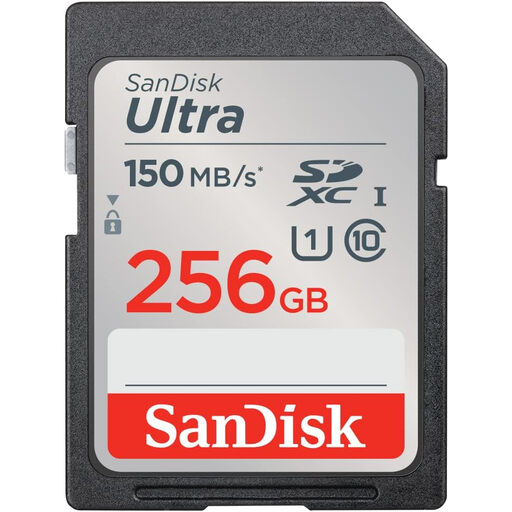
Why This Fits Their Persona: A straightforward full-size option for compact and mid-range cameras, family photography and Full HD video.
Its SDXC UHS-I format is clearly suited to compatible SD devices, reducing the risk of buying a microSD card for a full-size slot.
256GB capacity, UHS-I performance and a stated 10-year limited warranty; listed as waterproof, shockproof, X-ray proof and temperature-proof.
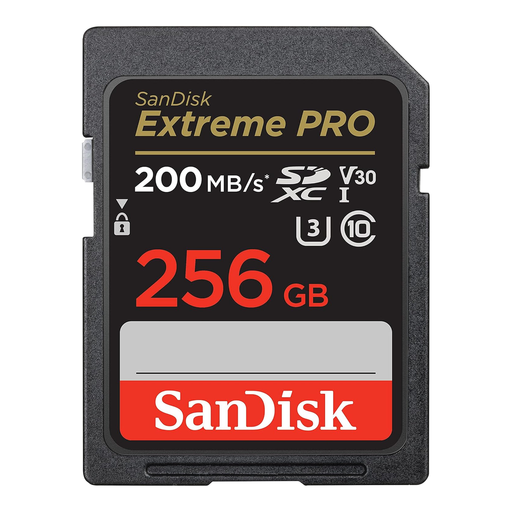
Why This Fits Their Persona: A full-size SD option for photographers and videographers handling RAW bursts or 4K UHD footage.
The listed U3 and V30 ratings provide more relevant video information than relying on read speed alone.
Read speeds up to 200MB/s, write speeds up to 140MB/s, V30 classification and a limited lifetime warranty; a reader is needed for stated maximum transfer performance.
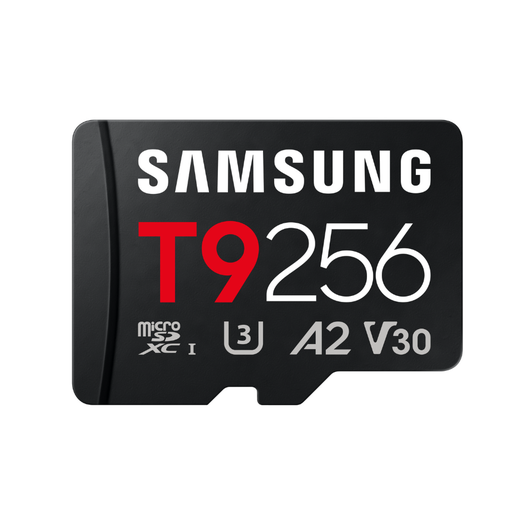
Why This Fits Their Persona: Suitable for compatible Android phones and tablets, drones, action cameras and handheld gaming devices requiring higher performance.
Its U3, V30 and A2 markings cover video and app-use requirements, while the stated microSDXC format clarifies device matching.
Read speeds up to 200MB/s, write speeds up to 130MB/s and six listed protection features, including water, temperature, drop and X-ray resistance.
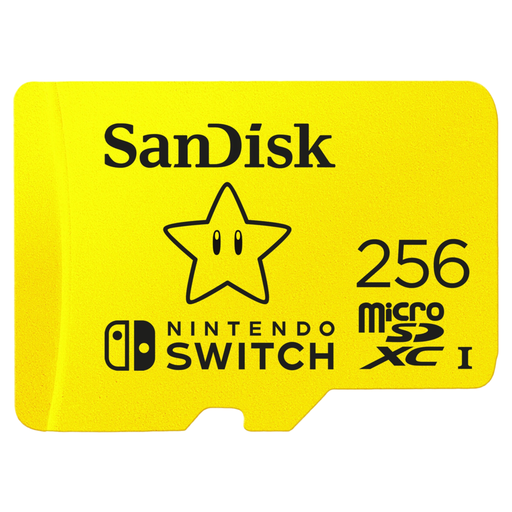
Why This Fits Their Persona: Designed for Nintendo Switch, Nintendo Switch OLED Model and Nintendo Switch Lite owners expanding a digital game library.
It is identified as designed, tested and approved for compatible Nintendo Switch systems, rather than being a generic gaming card.
Sequential read speeds up to 100MB/s, write speeds up to 90MB/s and a stated lifetime limited warranty.
We have compiled a complete, real-time list of products that fully satisfy these strict selection criteria and UK safety regulations.
It can be, provided the phone supports microSDXC and accepts a 256GB capacity. Check the manufacturer’s specifications before buying. A card with an A1 or A2 rating may support improved app performance, but the phone’s software determines whether apps can be moved or run from external storage.
Lifespan depends on NAND quality, usage, heat, removal frequency and how heavily data is rewritten. Occasional photographs and videos generally place less write demand on a card than continuous surveillance or dashcam recording. Back up important files and replace a card if devices report errors, files become corrupted or performance changes unexpectedly.