Close-desk digital board-game players
If you usually play alone or with one nearby player, a 27-inch 4K screen is worth considering for cards, menus and map labels without taking up as much desk width as a larger display.


For desk-based digital board games, compare 27-inch and 31.5/32-inch 4K monitors: the smaller size suits close seating and tighter desks, while the larger screen gives a group more physical viewing area. Check your devices’ inputs, screen placement and whether other games will use a higher refresh rate before choosing.
If you usually play alone or with one nearby player, a 27-inch 4K screen is worth considering for cards, menus and map labels without taking up as much desk width as a larger display.
If several people need to see the board from different seats, a 31.5/32-inch 4K screen offers a larger physical viewing area. Check that the desk and seating arrangement can accommodate it.
If you connect more than one device, make the required inputs part of the decision. HDMI, DisplayPort, USB-C functions and two-source viewing vary by model; screen size alone will not tell you how conveniently the setup will work.
Start with where people will sit and what they need to read, then check connections. Give faster-game specifications greater weight only if the monitor will serve that use too.
| Concern | Buying checks | Who this matters to |
|---|---|---|
| Readable shared play | Compare 27-inch and 31.5/32-inch 4K screens against your seating distance and usable desk space. | If I share maps and card text with people in different seats, I need a screen everyone can see without crowding the desk; around 40% of consumers put shared-screen legibility first. |
| Device connections | List your devices’ outputs and check the monitor’s inputs. For USB-C laptop use, confirm video support, charging power and the required cable. | Switching between a laptop, PC or console is simpler when the connections fit the devices I already use; roughly 40% of consumers make connection convenience their primary concern. |
| Hybrid gaming | Check the refresh rate available at the intended resolution and input, and whether your hardware and games can use it. | When I also play faster-moving games, I want to assess motion specifications as well as board-game readability; about 20% of consumers put this mixed use first. |
A larger screen gives a group more physical viewing area, but it also takes up more room and may be awkward on a shallow desk.
Measure the available space and consider where each player will sit before comparing 27-inch with 31.5/32-inch 4K models.
One-cable use depends on the laptop’s video output, the monitor’s USB-C functions, the cable and the charging power required.
Check those specifications for the exact laptop and monitor before relying on USB-C for display and charging together.
A high refresh-rate figure offers less practical value for turn-based play if your other games, hardware or chosen connection cannot use it at the intended resolution.
If the monitor will also serve faster games, check the supported resolution and refresh-rate combination through the input you plan to use.
UK waste electrical and electronic equipment arrangements cover the recovery, reuse and recycling of electrical products.
Before replacing a screen, check local collection, repair, reuse, donation or electrical-recycling options. Recycle Your Electricals provides a recycling-point locator.
Dell UK lists the S2725QS as a 27-inch 3840 × 2160 IPS monitor with up to 120Hz refresh, integrated speakers and an adjustable stand. It is a reference point for a compact desk that also serves faster games.
LG UK lists the 31.5-inch 32U720A with a 4K VA screen, anti-glare treatment, speakers and USB-C support for display, data and up to 90W charging.
Samsung UK documents different connection options on its 32-inch 4K models: the UJ590 supports Picture-by-Picture and Picture-in-Picture, while the ViewFinity S7 S70H lists HDMI and DisplayPort.
These models cover larger 4K screens for shared board-game play and more compact 27-inch 4K screens for close-desk use. Compare their connections and gaming modes with the devices you intend to use.
 No image available
Consider this larger screen when several players need to see the board. The product title specifies 3840 × 2160 resolution, 165Hz and Type-C 65W; check whether its Type-C connection carries the laptop video and data functions you need.
 No image available
The 32-inch 4K screen suits a shared board-game layout, while its separate high-refresh modes matter more if you also play faster games. The title specifies 4K at 240Hz, Full HD at 480Hz, HDMI 2.1 and DisplayPort; check your hardware and connection for the mode you want to use.
 No image available
The 32-inch Ultra HD screen is a larger-format option for maps and player information. If you plan to switch between a PC, console or laptop, confirm the exact inputs against each device before choosing it.
 No image available
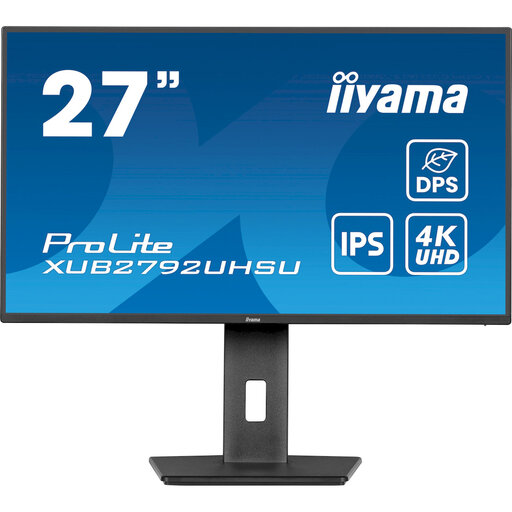
This 27-inch, 16:9 4K screen fits the close-desk route for board-game menus and cards. If faster games or laptop docking are also priorities, check its refresh-rate options and the exact USB-C video and charging functions before deciding.
 No image available
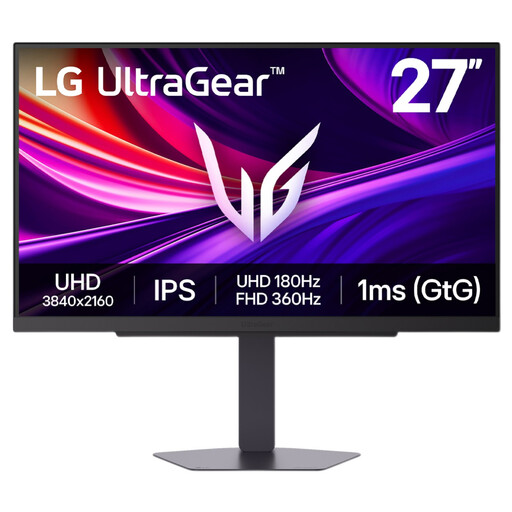
The 27-inch format suits nearby players who also want a screen for faster games. Its title identifies dual refresh modes with a maximum of 360Hz; check which resolution supports the mode you want and whether the viewing area is large enough for everyone who will share the screen.
Choose a 27-inch 4K monitor for close seating and a more compact desk setup; consider 31.5/32 inches when several people need a larger physical view of the board. Check viewing distance and available space, since both sizes can offer 3840 × 2160 resolution.
A 120Hz monitor is not necessary solely for turn-based play. It becomes more relevant if you also play faster-moving games and your hardware and connection support the intended refresh rate at the resolution you will use.
Yes, if the exact monitor, laptop and cable support both USB-C video and the required power delivery. LG UK states that the 32U720A can carry display, data and up to 90W charging through USB-C; check your laptop’s requirements and the cable before relying on that arrangement.
Look for a repair, reuse, donation or electrical-recycling route rather than putting the monitor in general household waste. Recycle Your Electricals provides a locator for nearby options; you can also check whether a retailer or manufacturer offers a take-back service.