Diagram-and-code multitaskers
If your entity-relationship diagram, SQL editor and reference material stay open together, horizontal workspace and window arrangement may matter more than media features.


Choose a height-adjustable 27-inch 4K monitor if readable schema labels and code on a conventional-sized screen matter most. A 34-inch 3440 × 1440 ultrawide suits a workflow that keeps a diagram, SQL editor and documentation visible side by side, provided your desk can accommodate it. If you use a laptop, check USB-C video support and charging power separately whichever screen format you choose.
If your entity-relationship diagram, SQL editor and reference material stay open together, horizontal workspace and window arrangement may matter more than media features.
If you spend most of your time reading column names, migration scripts and documentation, consider whether a compact screen with dense pixels suits you better than a physically wider display.
If you connect and disconnect a laptop regularly, check whether the monitor can carry video, data and sufficient charging power through the connection you intend to use.
Choose it when: Compact, detailed text and schema labels take priority over keeping three wide windows visible at once.
Trade-off: A conventional 16:9 screen offers less continuous horizontal room for that three-window layout.
Choose it when: A diagram, SQL editor and documentation need persistent side-by-side space.
Trade-off: It takes more desk width, while the cited 3440 × 1440 examples have lower pixel density than the cited 27-inch 4K models.
| Concern | What to check | Who this matters to |
|---|---|---|
| Side-by-side workspace | Compare aspect ratio and native resolution, then measure the screen’s physical width against your desk. | If I need my diagram, SQL and documentation visible together, I want enough horizontal room without constant window switching. Around 36% of consumers put that workspace first. |
| Text and diagram detail | Check screen size alongside resolution, and assess readability at your usual editor font size and display scaling. | Small column names and diagram labels need to remain readable throughout my working day. That detail is the primary concern for around 29% of consumers. |
| Laptop connection | Confirm USB-C video support at both ends and compare the monitor’s charging output with your laptop’s requirement. | When I bring my laptop to the desk, I would rather connect the display and peripherals without rebuilding the setup. Around 21% of consumers prioritise that connection. |
| Desk fit and positioning | Measure available width and depth; check stand adjustment and the position of nearby light sources. | A screen that crowds my desk or cannot sit at a comfortable height would make the wider format harder to use. Desk fit is the deciding need for around 14% of consumers. |
A larger diagonal does not tell you how much room you will have for windows or how densely small text will appear. The cited 27-inch 4K and 34-inch 3440 × 1440 formats serve different layouts.
Compare resolution, aspect ratio and physical dimensions using the font sizes you normally use in your editor and browser.
A USB-C socket alone does not establish that a monitor accepts video or supplies enough power for your laptop.
Check the laptop’s video-output capability, the monitor’s USB-C input and charging specifications, and the cable needed for those functions. Check for Ethernet or multi-computer switching only if you will use them.
A wide display still needs enough desk space to sit at a usable distance and height. Ergotron’s positioning guidance places the top of the screen at or slightly below eye level.
Measure your desk before choosing a 34-inch model, and check stand adjustment or compatible mounting if the supplied stand will not let you position the screen as needed.
Using a separate monitor arm also means checking the arm’s compatibility and whether your desk can accommodate its mount.
Colour-related features may matter when visual design is part of your work, but they do not replace checks on schema workspace, text detail and connections.
For schema-focused work, settle the screen format and laptop requirements first; consider colour features separately if your work also calls for them.
Dell Technologies UK lists both a 27-inch 4K UltraSharp U2725QE and a 34.1-inch ultrawide P3425WE, making these lines useful points of reference for the two screen formats.
BenQ UK’s PD2706U is a 27-inch 4K option for buyers considering USB-C laptop connections alongside coding and visual-design work.
LG UK lists the 27UP85ZK-W as a 27-inch 4K IPS monitor with USB-C connectivity and an adjustable stand.
These monitors include conventional 27-inch 4K options for detailed text and a 34-inch option for a wider working layout. Compare the connection and desk-fit requirements of each model with your own setup.
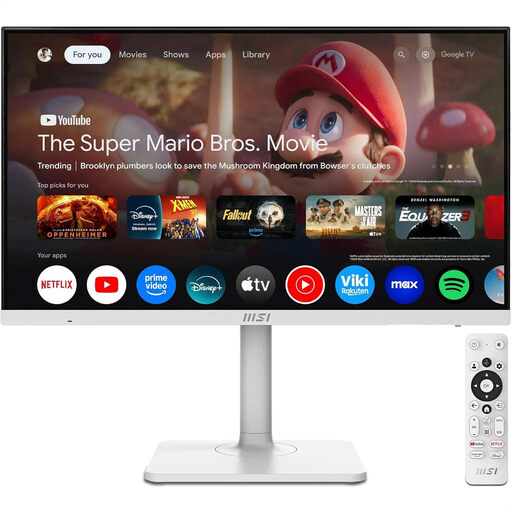 No image available
Consider this conventional screen if detailed schema labels matter more to you than an ultrawide window layout.
The product name specifies USB-C 65 W charging. Check whether the USB-C connection also accepts video and whether 65 W meets your laptop’s charging needs.
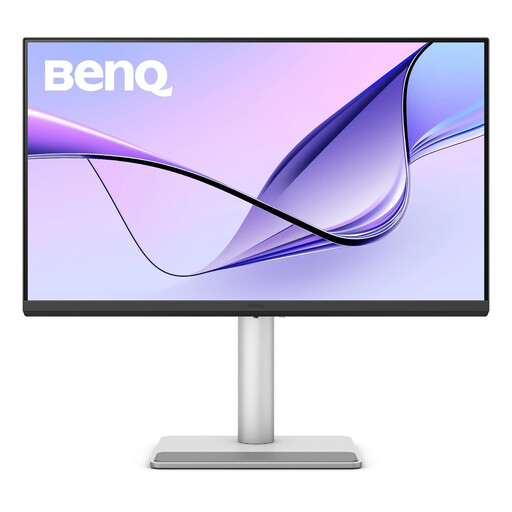 No image available
This 27-inch option is relevant if detailed on-screen text and an adjustable stand are priorities, particularly in a Mac-based setup.
Its name specifies USB-C and height adjustment. Check your computer’s video and charging requirements rather than assuming Mac-oriented features apply to every laptop.
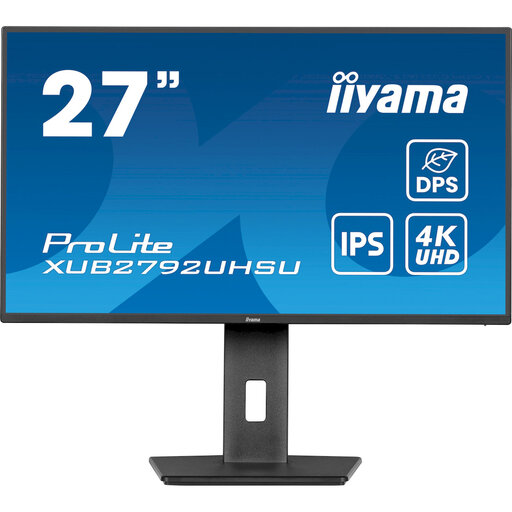 No image available
Its conventional 16:9 format is worth considering if small schema labels take priority over a wider three-window layout.
If you intend to connect a laptop through USB-C, check whether the port accepts video and supplies the charging power you require.
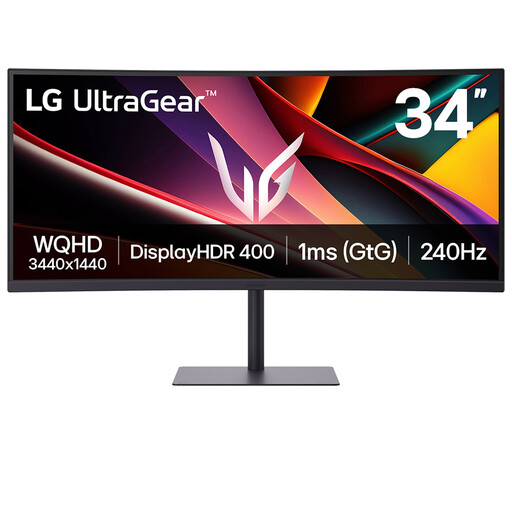 No image available
Consider the wider screen if you regularly keep a database diagram, SQL editor and reference material open together.
The product name specifies a VA panel and 240 Hz refresh rate. Measure your desk space and check laptop charging requirements separately from the display connection.
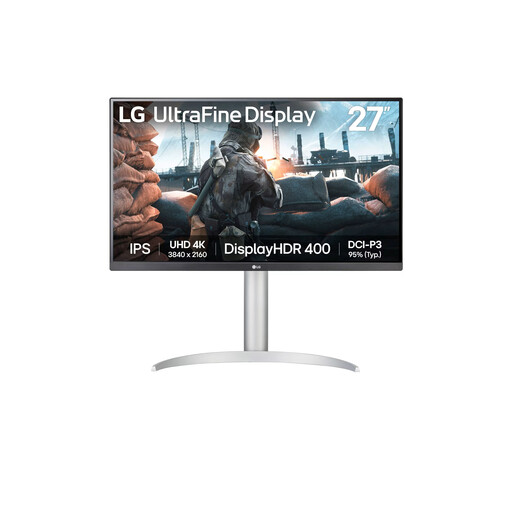 No image available
This conventional screen suits a setup where detailed diagrams and text matter more than an ultrawide layout.
Its name specifies HDMI and DisplayPort connections. Check your laptop’s available output and any adapter requirements if you want to use it with that computer.
Choose 27-inch 4K if dense text and a conventional screen size are your priorities; choose a 34-inch ultrawide if persistent side-by-side windows are more important and your desk has room. The cited 3440 × 1440 ultrawide examples offer a wider layout but lower pixel density than the cited 27-inch 4K models.
Yes, if your laptop supports video through that USB-C connection, the monitor accepts USB-C video input and its charging output meets your laptop’s needs. BenQ UK specifies display, data and 90 W power delivery for the PD2706U; LG UK specifies display, data and charging up to 90 W for the 27UP85ZK-W. Check the required cable as well.
Set it where you can view the screen comfortably without crowding your working area or placing it too high. Ergotron advises positioning the top of the screen at or slightly below eye level; check the stand’s adjustment range and move the screen or nearby lighting if glare interferes with reading.