
24/7 Customer Support

Free returns

Same-day & Next-day Delivery

Quality Guaranteed

Unlock Your Welcome Offers: FREE Delivery | Up to 80% OFF | Free 30-day JoyPlus trial
Download the APP
A 2kg dry dog food bag is a convenient choice for many UK households. It is easier to store than a large sack, useful for trying a new recipe and often suitable for small or medium dogs whose food stays fresher when bought in manageable quantities.
However, packaging can make similar products appear more alike than they are. Before buying, check the wording behind claims such as “complete”, “natural”, “high protein” or “sensitive”. The right choice depends on your dog’s life stage, adult size, activity level and dietary tolerance, not simply the front-of-pack flavour.
A complete dry dog food is intended to provide the nutrients a dog needs when fed according to the manufacturer’s guidance. A complementary product is designed to be combined with other food.
For example, Pedigree Dry Mixer Adult Small Dog is described as a complementary food to feed alongside wet food. It should not automatically replace a complete meal. Always look for the statutory description on the packaging rather than relying on phrases such as “balanced meal” or “daily nutrition”.
“Chicken dog food”, “turkey dog food” and grain-free dog food can sound appealing, but the key question is whether the recipe suits your individual dog. A wheat-free formula may still be produced in a factory that handles wheat, while a grain-free recipe may contain other carbohydrate sources such as potato or peas.
Dogs with known allergies, persistent digestive problems or existing health conditions may need tailored advice from a veterinary surgeon. Do not assume that “natural” or “hypoallergenic dog food” wording is suitable for every sensitive dog.
A high-protein dog food may be appropriate for some active dogs, but protein percentage alone does not determine whether a food is suitable. Compare the complete nutritional profile, fat content, feeding guide and intended activity level.
A food made for active working dogs may provide more energy than a less active household pet requires. Overfeeding can contribute to unwanted weight gain, even when the food itself is nutritionally complete.
Puppies, adult dogs and senior dogs have different nutritional requirements. A puppy dry food should state the intended age range and, where relevant, the expected adult size. Burns Puppy Mini 2kg, for example, is designed for small and toy breed puppies and uses smaller kibble.
For adult dogs, check whether the product is intended for small, medium or larger breeds. IAMS with Lamb 1+ Years S/M <25kg 2kg is labelled for adult dogs aged one year and above weighing under 25kg. It is not positioned for puppies under four months or dogs weighing 25kg and above.
Look for a clear statement such as “complete pet food for adult dogs” or “complete feed”. This is more useful than judging quality from ingredient names alone.
Review the analytical constituents, including protein, fat, fibre and ash, then compare them with the feeding guide. The percentages are normally shown per 100g, while the recommended daily amount varies according to body weight and activity.
Read the composition in descending order and check for ingredients your dog must avoid. Arden Grange Adult Chicken & Rice 2kg excludes wheat, soya and dairy according to its product information, while Naturo Turkey with Potato & Vegetables is a grain-free recipe featuring turkey, potato and vegetables.
A 2kg bag is only convenient if stored correctly. Keep dry food sealed in a cool, dry place away from direct sunlight and moisture. Use a clean, airtight container if appropriate, but retain the original packaging so you can refer to the batch details, feeding instructions and ingredients.
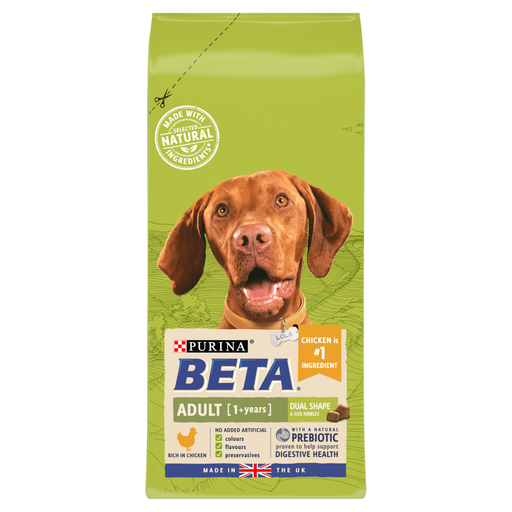
Why This Fits Their Persona: A straightforward adult formula for owners seeking a UK-made 2kg bag with clear feeding guidance for dogs from 10kg to 25kg.
It is identified as complete food for adult dogs, rather than a mixer or complementary product.
Chicken meal provides 26% of the composition; the recipe lists 26% protein and 13% fat.
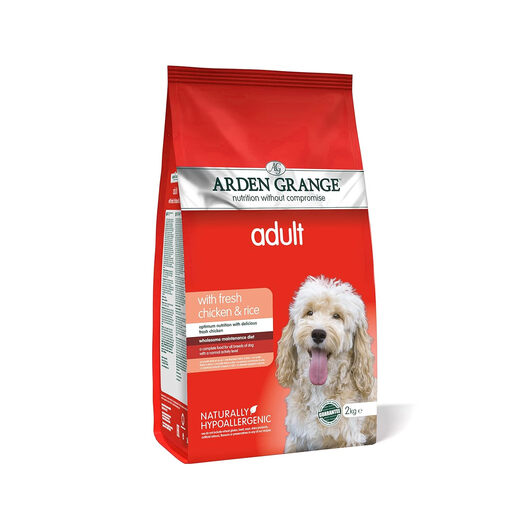
Why This Fits Their Persona: Suitable for adult dogs aged one to seven years across small, medium and large breeds, with a detailed ingredient and nutrient profile.
Its adult age range and complete-food status help prevent choosing a senior or puppy recipe by mistake.
The recipe lists fresh chicken, chicken meal and rice, with at least 26% protein and 16% fat.

Why This Fits Their Persona: A grain-free adult recipe for owners looking for turkey, potato and vegetable ingredients in a manageable household-sized bag.
The ingredient breakdown identifies the main protein and carbohydrate sources instead of relying only on “sensitive” wording.
Lists 50% turkey, 26% potato and 5% vegetables, with 30% protein and 13% fat.
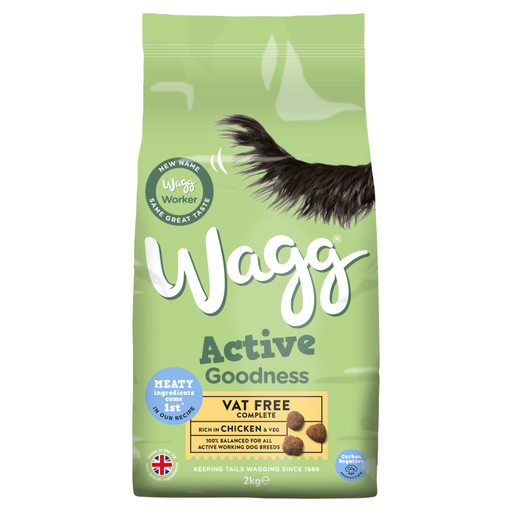
Why This Fits Their Persona: Formulated for active working dogs from eight weeks, with feeding amounts separated by size and activity.
Its intended use is clearly stated, helping owners avoid feeding an active-dog recipe without considering exercise levels.
The formula lists 22% protein, 8% fat, whole grains, linseed and chicory root.
We have compiled a complete, real-time list of products that fully satisfy these strict selection criteria and UK safety regulations.
A 2kg bag may last a small dog several weeks, while an active medium-sized dog may use it much faster. Calculate the approximate daily cost by dividing the pack price by the expected number of feeding days, rather than comparing prices by bag alone.
It can be, but only when the recipe is specifically labelled for puppies or the relevant growth stage. Puppy dry food generally has different nutritional guidance from adult dog food. Check the age and expected size information before purchasing.
The lifespan depends on your dog’s weight, activity and daily portion. A small dog may use a 2kg bag for several weeks, whereas a larger or working dog may finish it considerably sooner. Follow the product’s feeding table and keep the bag sealed to preserve freshness.
No. Grain-free does not automatically mean suitable for every sensitive dog. Check the full ingredient list, the protein source and any manufacturing allergen information. If your dog has a diagnosed allergy or health condition, ask a veterinary surgeon for individual guidance.