
24/7 Customer Support

Free returns

Same-day & Next-day Delivery

Quality Guaranteed

Unlock Your Welcome Offers: FREE Delivery | Up to 80% OFF | Free 30-day JoyPlus trial
Download the APP
Baking a loaf cake or bread should not end with half the sponge stuck to the tin. For UK home bakers, 2lb loaf tin liners can reduce preparation time, help bakes release more cleanly and limit washing-up. However, not every paper product labelled “non-stick” is suitable for a standard loaf tin.
Before buying, check the size, coating, heat guidance and sheet format. A low-cost pack may be poor value if the paper tears, needs extra greasing or does not fit the tin properly.
In the UK, a 2lb loaf tin is commonly described as an approximately 900g loaf tin. However, tin dimensions can vary between manufacturers. A liner intended for a smaller loaf tin may leave exposed edges, while an oversized sheet can fold awkwardly into the corners.
Look for wording such as 2lb, 900g or “standard loaf tin”, then compare the stated dimensions with your bakeware where possible.
Plain greaseproof loaf tin paper can help contain mixtures, but it may still require butter or oil and can move during preparation. Siliconised loaf tin liners have a silicone coating intended to create a non-stick surface, making them more convenient for cakes, tea loaves and bread.
Even so, “non-stick” does not mean every bake will release perfectly. Very sticky mixtures, caramelised fillings and over-baked edges may still adhere. Allowing the loaf to cool according to the recipe can also make removal easier.
A liner should have clear heat guidance. The Tala product listed here is described as heat-proof up to 230°C, but users should still follow the product instructions and the recipe temperature.
The product description also presents the liners as wipeable and reusable. As these are paper-based products with a silicone coating, inspect each liner after use. Discard it if it is torn, heavily stained, warped or no longer releases food cleanly. Do not assume that all baking paper can be reused.
Pre-formed loaf tin liners are shaped to sit inside the base and sides of the tin. This avoids cutting, folding and greasing individual sheets. It can be particularly useful when baking several loaves for a school event, local sale or family gathering.
Check that the liner is designed for a 2lb or 900g tin rather than a cake pan, roasting tray or small baking mould. A close fit helps prevent batter from running underneath the paper.
For easier release, look for a clearly stated silicone coating or non-stick surface. Siliconised paper combines a paper base with a fine coating designed to reduce food adhesion. If you specifically want baking paper for bread, cakes and pastries, ensure the listing describes oven use rather than steaming, microwaving or food presentation only.
An FSC-certified baking paper product may appeal to shoppers who want paper sourced through a responsible forestry certification scheme. Certification relates to the paper supply chain; it does not by itself confirm heat resistance, reusability or suitability for every recipe.
A multipack is often more practical than buying individual sheets. Divide the pack price by the number of liners, then consider whether the product is single-use or can be reused safely. A pack of 40 may suit frequent bakers, while occasional users may prefer a smaller quantity to avoid storing unused paper for long periods.
Also check whether the product is supplied flat or pre-formed. Flat cake and pastry liners may be versatile, but they require more preparation for a loaf tin.
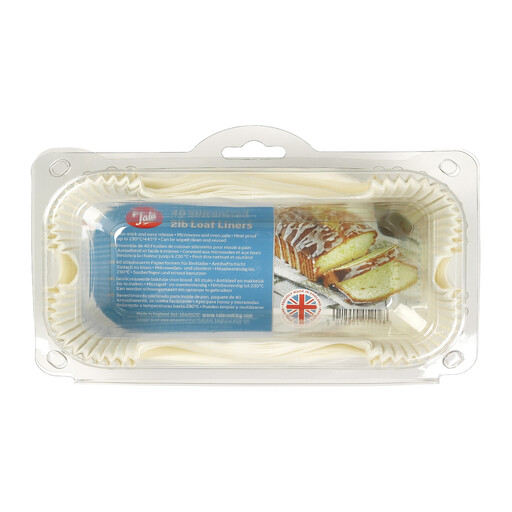
Why This Fits Their Persona: A pack of 40 gives occasional and regular home bakers a ready supply of pre-formed liners for standard 2lb loaf tins, without cutting paper for every bake.
The listing specifies a 2lb format, a siliconised non-stick surface and heat resistance up to 230°C, helping buyers compare more than a vague “baking paper” label.
40 liners per pack; pre-formed design; listed as BPA free and made with FSC-certified paper.
Why This Fits Their Persona: Bakers who prioritise a tidy workflow may prefer a shaped liner that avoids folding and supports consistent preparation for bread, cakes and pastry-based loaves.
Its stated silicone coating is more specific than an uncoated greaseproof sheet, while the temperature guidance provides a clear reference point for oven use.
Siliconised paper; stated heat resistance up to 230°C; suitable format for 2lb loaf tins.
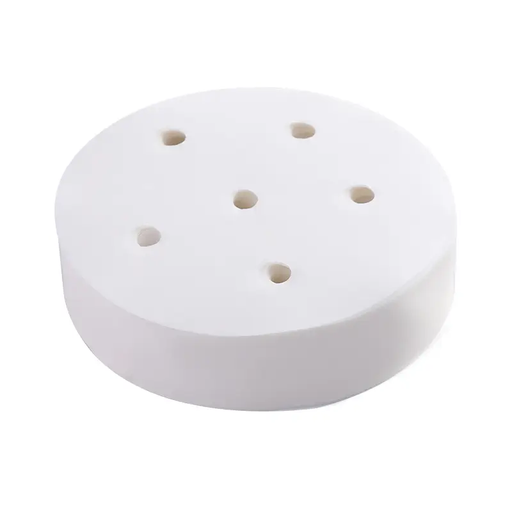
Why This Fits Their Persona: This option is for high-volume steam-cooking rather than loaf baking. It should not be selected as a substitute for 2lb loaf tin liners.
The 9cm size and steamer-specific name make its intended use clear, helping prevent a misleading purchase for a loaf tin.
500 sheets; non-stick steamer-paper format; compact 9cm size for its stated application.
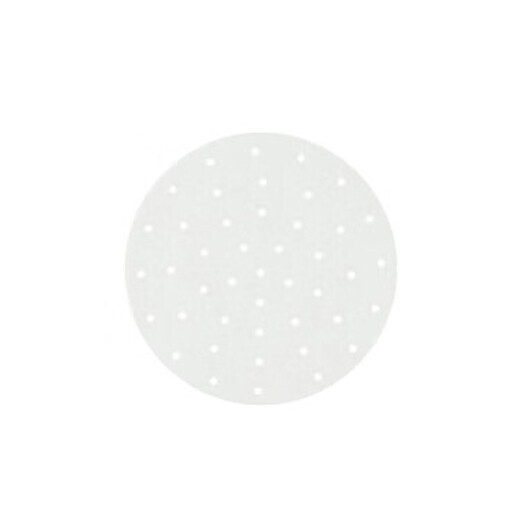
Why This Fits Their Persona: Suitable for shoppers who need larger steamer-paper sheets for a separate cooking task, not for lining a standard 2lb loaf tin.
Its 20cm specification and steamer-paper description clarify that it is not a direct alternative to pre-formed loaf tin paper.
20cm sheet size; 100 sheets per pack; intended for steamer use.
For bread, tea loaves and cakes in a standard 2lb tin, the Tala Siliconised 2Lb Loaf Liners are the relevant option in this selection. The two BJ products are steamer papers in different sizes and should not be treated as loaf tin liners.
Before ordering, check your tin’s internal measurements and confirm that the product’s temperature guidance suits your recipe. For broader choices, including greaseproof sheets and other reusable baking liners, visit the parchment paper sheets category.
We have compiled a complete, real-time list of products that fully satisfy these strict selection criteria and UK safety regulations.
Usually, the terms refer to the same general loaf-tin capacity used in the UK. Nevertheless, internal tin dimensions differ, so compare the liner size with your bakeware before purchasing.
A siliconised liner is designed to reduce sticking and may not require additional butter or oil. Follow the product instructions and recipe guidance, particularly for mixtures containing syrup, caramel or high-sugar fillings.
There is no universal lifespan. Reuse depends on the liner’s condition, oven temperature and the type of bake. Wipe the liner only as instructed, allow it to dry fully and replace it when torn, scorched, misshapen or no longer releases food cleanly.