
24/7 Customer Support

Free returns

Same-day & Next-day Delivery

Quality Guaranteed

Unlock Your Welcome Offers: FREE Delivery | Up to 80% OFF | Free 30-day JoyPlus trial
Download the APP
Whether you're planning a weekend camping trip, setting up your caravan for an off-grid adventure, or preparing an emergency power supply for your home, a portable power station can seem like the perfect solution. However, the market is filled with confusing specifications and marketing claims that can lead to a disappointing purchase. As your Joybuy Product Recommendation Officer, my role is to help you navigate these choices with clear, practical advice.
Before you invest, be aware of these common pitfalls that cause many buyers to waste their money:
To make an informed decision, you need to understand a few key technical terms. Let's break them down in a straightforward way.
Think of a power station like a water bottle.
To calculate runtime, you simply divide the capacity by the device's consumption: Runtime (hours) = Battery Capacity (Wh) / Device Power (W). Remember to account for about 15% energy loss in the conversion process.
A good portable power station is a versatile hub. Look for a unit that includes a range of outputs to cover all your needs:
Your power station should be easy to replenish, wherever you are. The three primary methods are:
We've matched some useful outdoor products to different user needs, helping you see how they fit into a practical setup.

Why This Fits Their Persona: This unit is ideal for short trips where portability is key. Its 222Wh capacity is ample for charging phones, cameras, drones and speakers over a weekend. Weighing just over 3kg, it's easy to carry from the car to the campsite.
It features a Pure Sine Wave AC outlet to protect your sensitive electronics and offers three fast-recharging options (AC, car, solar), so you're not caught in the slow-charging trap.
Includes a fast-charging 65W USB-C PD port and can power up to 8 devices at once. The clear LCD screen shows real-time power usage and its BMS provides multiple layers of safety protection.
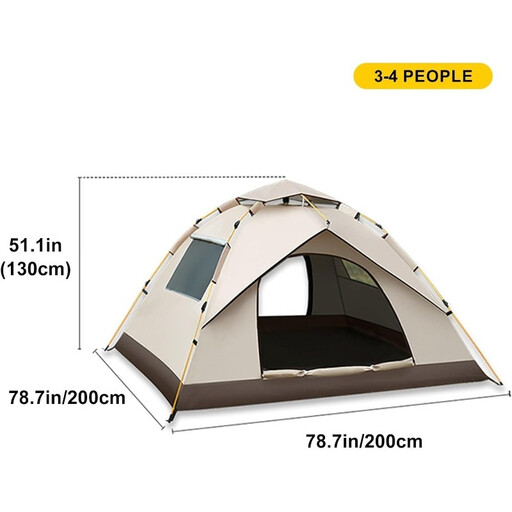
Why This Fits Their Persona: For those who value efficiency and convenience. This tent's automatic hydraulic system allows for setup in minutes, leaving more time to enjoy the outdoors—and the gadgets powered by your portable station.
It forms part of a hassle-free camping kit. Paired with a portable power station, you can have a comfortable, powered shelter ready for a weekend getaway at a moment's notice.
The two-layer design with a detachable outer canvas provides versatility as a rainproof tent or a sunshade. Dual doors offer excellent ventilation for comfort.
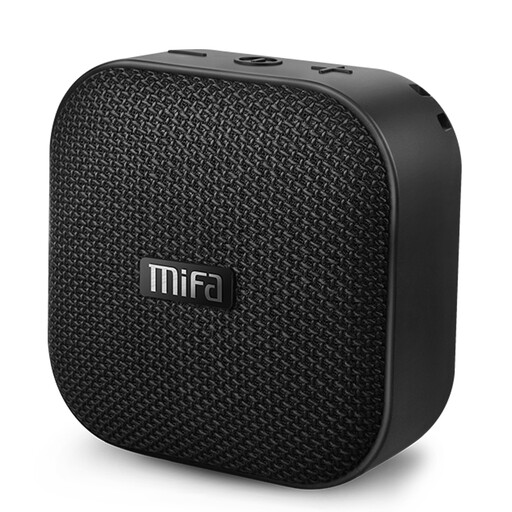
Why This Fits Their Persona: An essential for anyone who wants to bring music to their outdoor gathering without draining their phone's battery. This compact speaker is a low-power companion that can be easily recharged multiple times by a 300W power station.
It completes your outdoor entertainment setup. Use your power station to keep the speaker charged and the music playing all evening, whether you're by the tent, on the beach or in the garden.
Its waterproof design makes it suitable for the unpredictable British weather. It also supports playback from a Micro-SD card, so you can play music without even needing to pair a phone.
We have compiled a complete, real-time list of products that fully satisfy these strict selection criteria and UK safety regulations.
This depends entirely on the power consumption of the device you connect. For a model with a 222Wh capacity, you can estimate the runtime with a simple calculation. For example, it could power a 40W mini-fridge for approximately 4.5 hours (222Wh / 40W * 0.85 efficiency) or recharge a typical smartphone (with a ~15Wh battery) about 12-14 times.
Yes, it serves as an excellent emergency power supply UK. A 300W unit can comfortably run essential low-power devices like your home internet router, charge multiple phones and tablets to keep you connected and power LED lamps or a small radio. It provides a crucial lifeline during unexpected outages.
To create an effective solar generator for camping, a 100W to 150W solar panel is a suitable match for a 222Wh power station. In ideal, direct sunlight, a 150W panel could theoretically recharge the station in just under 2 hours. A 100W panel would take closer to 3-4 hours. This combination gives you a reliable and renewable power source for extended off-grid trips.