
24/7 Customer Support

Free returns

Same-day & Next-day Delivery

Quality Guaranteed

Unlock Your Welcome Offers: FREE Delivery | Up to 80% OFF | Free 30-day JoyPlus trial
Download the APP
Small packs can be useful for packed lunches, student kitchens, office drawers and quick family meals. However, 35g snacks and seasoning mixes are not automatically interchangeable. A 35g bag may be a single serving, while a 35g recipe sachet could season several portions.
As the Joybuy Product Recommendation Officer, my role is to filter out vague marketing language and focus on the details that affect everyday use: ingredients, allergens, preparation, portion size and storage.
Crisps, potato chips, snack bars, sugar-free mints and other ready-to-eat snacks can usually be consumed straight from the packaging. Seasoning sachets are different. Korean barbecue seasoning, chicken wing seasoning, soup seasoning and curry mixes normally require water, oil or other ingredients, followed by thorough cooking.
Check for wording such as “ready to eat”, “cooking required” or “not ready to eat” before adding a product to a lunchbox or travel bag.
A small packet is convenient, but it does not necessarily provide a complete portion. A 35g snack bar, for example, may contain around 131–160 kcal depending on the product. A seasoning sachet contains concentrated flavouring rather than a standalone dish.
For practical meal planning, look at the preparation instructions and the number of portions stated on the label. A soup seasoning sachet may need water and vegetables, while a dumpling seasoning mix is intended to be combined with filling ingredients.
International snacks and spice blends can include wheat, soya, sesame, milk, nuts, crustaceans, celery or mustard. Ingredients and allergen declarations may vary between similar-looking products, so check the current UK packaging before purchase.
Salt and sugar can also differ considerably. Some recipe seasoning sachets list high salt levels per 100g because they are concentrated and used in small amounts. This does not make them unsuitable, but it does make portion guidance important.
Start by identifying whether you need:
For quick and easy cooking, a sachet with clear instructions and a defined quantity of water or oil can reduce guesswork. Products designed for baking, frying or pan-cooking should not be treated as instant foods.
Read the full ingredient list rather than relying on flavour names. “Barbecue”, “honey chilli” or “Korean-style” describes the flavour direction, not the recipe composition.
For example, Korean barbecue seasoning may contain soya, wheat and sesame. A garden mint marinade can contain barley, soya and wheat despite its herb-led name. If you are shopping for someone with an allergy, also check “may contain” statements and the packaging supplied with your order.
Use the per-pack figures where available, rather than assuming that per-100g information represents what you will consume. A 35g snack may be a single portion, but a seasoning sachet could be divided across a family meal.
Also check storage instructions. Most dry products should be kept in a cool, dry place, away from moisture and direct sunlight. Reseal opened seasoning promptly and follow any product-specific directions. Snacks that lose their crispness after opening may be less suitable for storing over several days.
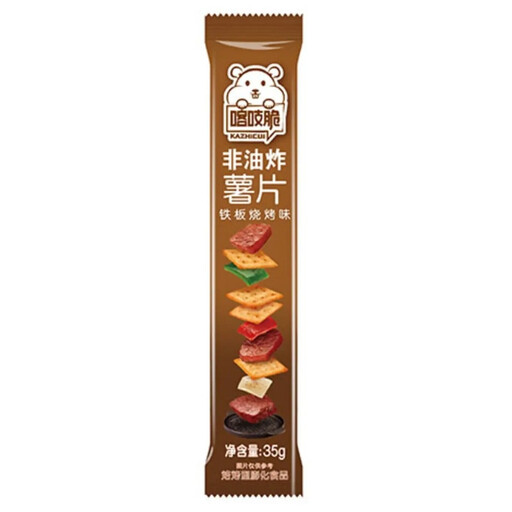
Why This Fits Their Persona: A compact, ready-to-eat option for students, desk drawers and shoppers trying an international crisps flavour without committing to a larger sharing bag.
The product is labelled ready to eat and provides a defined 35g pack size. Check the listed crustacean allergen before ordering.
Extra-thin potato chips; single-serve 35g format; no preparation needed.
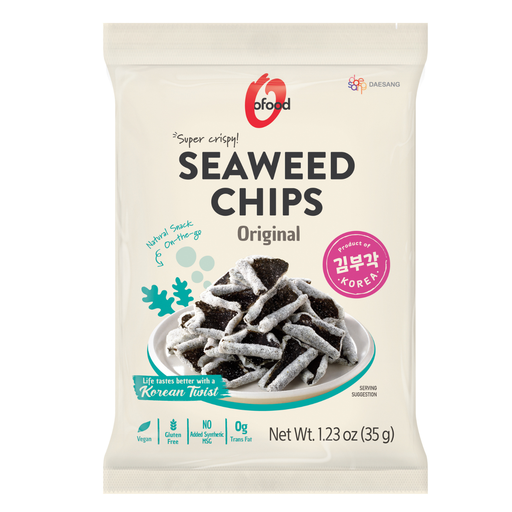
Why This Fits Their Persona: Suitable for food enthusiasts exploring Korean snacks and savoury flavours beyond conventional potato chips.
The flavour comes from listed dried seaweed, kelp seasoning and shiitake mushroom extract, rather than an undefined “Asian-style” description.
Rice, tapioca and potato starch base; savoury seaweed profile; 35g portable pack.
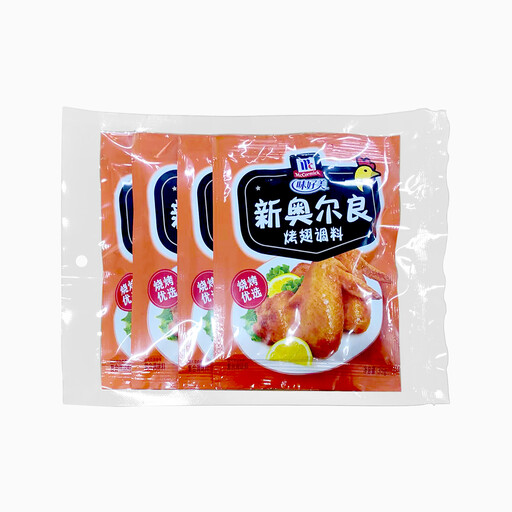
Why This Fits Their Persona: A practical multipack for households that regularly prepare chicken wings, ribs or other marinated dishes.
The pack quantity is clear, and the product is presented as a seasoning mix rather than a ready-to-eat snack. It contains soya, so check the allergen information.
Four 35g sachets; powdered format for even coating; suitable for wings, legs and ribs.
If your cooking style is more varied, consider a Ras El Hanout spice blend for Moroccan-style tagines, Baharat for meatballs and lamb koftas or a dumpling seasoning containing ginger, fennel, Sichuan pepper and star anise. For family meals, mild curry sachets and borscht or hot and sour soup seasoning can shorten preparation time.
For snack drawers, options include fruit and nut snack bars, yoghurt-coated cereal bars, sugar-free peppermint mints and assorted crisps. Remember that sugar-free products may contain polyols or other sweeteners, while mint products should be kept away from young children because of choking risks.
We have compiled a complete, real-time list of products that fully satisfy these strict selection criteria and UK safety regulations.
Not always. Some are designed for a single recipe, while others season several portions or a defined quantity of meat. Check the instructions for water, oil, filling or cooking quantities before use.
Keep unopened products in a cool, dry place away from direct sunlight. Reseal opened seasoning sachets and consume snacks promptly if the packaging recommends it. Moisture can affect texture and aroma.
The answer depends on the price per 100g and how quickly the product will be consumed. A compact pack can reduce waste and offer portion convenience, while a larger pack may provide a lower unit cost. Compare both the pack price and the stated net quantity before buying.