What matters when choosing?
Confirm your course software first, then compare the exact memory and graphics configuration with the work you expect to do. Finally, consider whether the screen, laptop and charger fit both your desk and your journey to class.
| Concern |
What to check |
Who this matters to |
| Graphics and memory |
Compare installed RAM and stated GPU memory with your software’s requirements. For Blender on Windows, the Blender Foundation recommends 32 GB RAM and 8 GB VRAM. |
If I expect to render regularly or work on larger Blender scenes, I want enough graphics and memory capacity for that work. Around 50% of consumers put graphics and memory headroom first. |
| Workspace and portability |
Compare screen size, laptop weight and charger size for the selected configuration, particularly if you will model without a separate monitor. |
I need room for modelling controls on screen, but I also carry my laptop to class. Portability and workable screen space come first for around 30% of consumers. |
| Software and input compatibility |
Confirm the required operating system, application versions, renderers and plug-ins with your course; check your mouse setup too. |
My coursework must run on the laptop I choose, and I need a workable way to navigate 3D scenes. Roughly 20% of consumers prioritise software and input compatibility. |
Joybuy laptops for 3D modelling study
These Windows-oriented laptop choices offer different screen sizes and stated memory configurations for learning 3D modelling. Compare each variant with your course software and with how often you will carry it.
 No image available
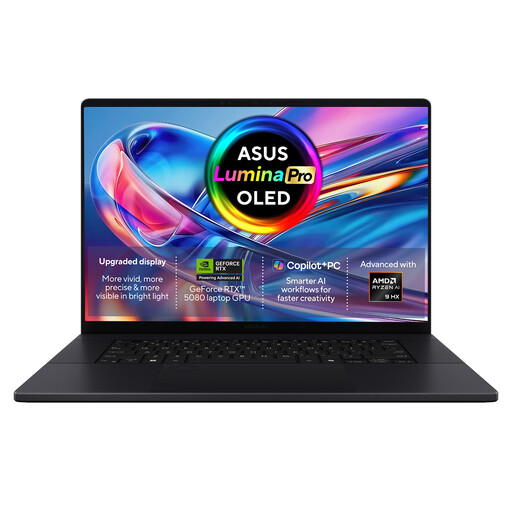
ASUS ProArt P16 H7606WW-SE006W, 16-inch 4K OLED
Consider this configuration if you want a 16-inch screen and stated memory capacity for Blender work. Its name specifies an RTX 5080 with 16 GB graphics memory, 64 GB RAM, a 2 TB SSD and Windows 11 Home. Confirm your course’s applications and plug-ins, and check the charger size if you will carry it regularly.
View on Joybuy
 No image available
Lenovo Legion Pro 7 16IAX10H, 83F5000UUK
Consider this 16-inch Windows configuration if dedicated graphics and RAM capacity are priorities for your coursework. Its name specifies an RTX 5090, 64 GB RAM, a 2 TB SSD and Windows 11 Home. Check the GPU’s stated graphics memory and your required software, as well as weight and charger size if you will travel with it.
View on Joybuy
 No image available
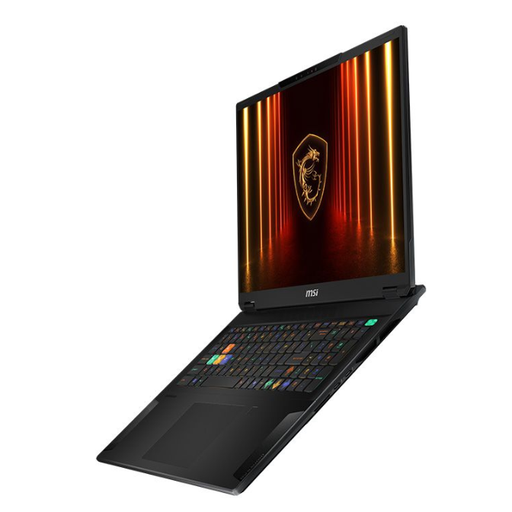
MSI Stealth 18 AI Studio A1VGG-001UK, 18-inch
Consider the 18-inch screen if you expect to model mainly at your desk, but make sure it fits the space where you work and is practical to carry. The name identifies an RTX 4070 and a 2 TB SSD; check the selected configuration’s RAM, graphics memory and operating system against your course requirements.
View on Joybuy
 No image available
Lenovo LOQ Essential 15ARP11, 15.6-inch FHD
Consider this configuration for Blender practice if its memory suits the scenes you expect to make. Its name specifies a Ryzen 7 170, RTX 5050, 16 GB RAM and a 1 TB SSD. The 16 GB RAM is below the Blender Foundation’s 32 GB Windows recommendation, so check your likely workload and whether the selected configuration allows a memory upgrade.
View on Joybuy
 No image available
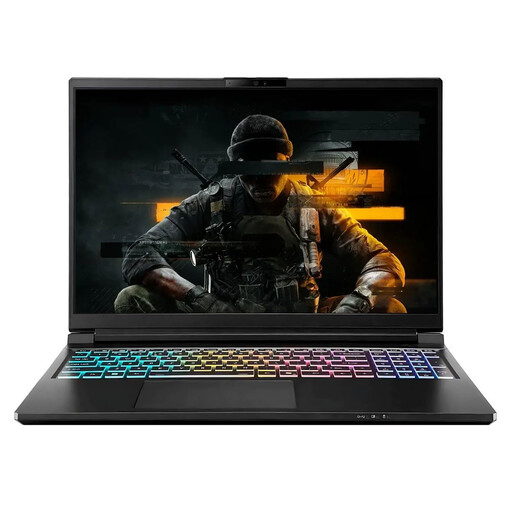
Stormforce Exobook 16-inch QHD+, Ultra 9, 32 GB, 4 TB, 5080
Consider the 16-inch screen and stated 32 GB memory if you want a modelling workspace with room for coursework files. The name also lists 4 TB storage and 5080, but the GPU description allows an equivalent model: confirm the exact GPU and graphics memory before comparing it with Blender’s recommendations. Confirm the operating system and course-software compatibility too.
View on Joybuy
Questions about 3D modelling laptops
What specification should I compare for learning Blender?
Use the Blender Foundation’s requirements for your operating system as a reference, not as a universal specification for every 3D task. Its Windows recommendations include 32 GB RAM and 8 GB VRAM; compare those figures with the exact configuration if you expect to render regularly or work on more demanding scenes.
Can I use a MacBook Pro if my course uses Blender or Maya?
A MacBook Pro may suit the course if all required applications and workflows support its macOS configuration. Blender supports Apple silicon on macOS, and Autodesk lists macOS and Apple silicon among Maya-supported environments; confirm the course’s application versions, renderers and third-party plug-ins separately.
Do I need a mouse for 3D modelling?
Plan for a suitable mouse if you will use Blender or Maya. The Blender Foundation recommends a three-button mouse for navigation, while Autodesk lists one in Maya’s pointing-device requirements.
What should I do if a laptop bought in the UK is faulty or not as described?
Contact the seller with your order details and a record of the fault or discrepancy. GOV.UK states that retailers must offer a full refund when goods are faulty, not as described or do not do what they are supposed to; follow the seller’s return instructions without treating a voluntary change-of-mind policy as your only remedy.


