
24/7 Customer Support

Free returns

Same-day & Next-day Delivery

Quality Guaranteed

Unlock Your Welcome Offers: FREE Delivery | Up to 80% OFF | Free 30-day JoyPlus trial
Download the APP
Planning a multi-day trek is an exciting prospect, but the wrong backpack can quickly turn an adventure into an ordeal. An ill-fitting or poorly designed pack can lead to an aching back, a sweaty t-shirt and the constant frustration of rummaging for gear. A good 40L trekking backpack is often the sweet spot for a 2-3 day trip, offering enough space for essentials without weighing you down.
As your Joybuy Product Recommendation Officer, my role is to help you navigate the options. This guide will walk you through key features to look for and present some carefully selected recommendations to help you find a reliable companion for your next journey into the great outdoors.
Before diving into specific products, let's cover a few crucial features that separate a great pack from a mediocre one. Focusing on these will ensure you get a comfortable and practical unisex 40l rucksack that works for you.
The single most important feature for carrying moderate loads is a backpack with an internal frame. A well-designed frame, often made from lightweight alloy, is built to transfer the majority of the pack's weight from your shoulders to your hips. This is the key to avoiding shoulder strain and back pain on long hikes. Look for packs with a structured back panel and a padded hip belt, which work together to distribute the load and improve your stability on the trail.
There is nothing more uncomfortable than a backpack sticking to your sweaty back. A breathable hiking backpack is essential for comfort, especially in the UK's unpredictable weather. Modern packs use suspended mesh panels or moulded foam with air channels to create a gap between your back and the pack itself. This allows air to circulate freely, helping to keep you cooler and drier throughout your hike.
When you're setting up camp after a long day, the last thing you want is to empty your entire bag to find your head torch. A good camping backpack for a 3 day trip should have a variety of pockets and compartments. Look for features like a top lid pocket for maps and snacks, stretch side pockets for water bottles, hip belt pockets for your phone or compass and external loops or straps for attaching trekking poles or a sleeping mat.
Here are our recommendations, focusing on a core pack for your trip and some useful accessories to enhance your experience on the trail.
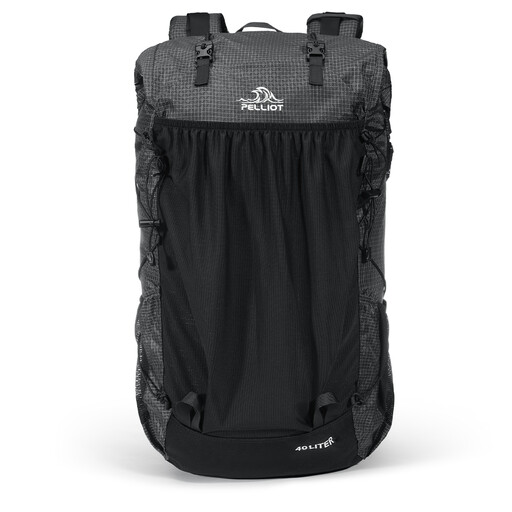
Why It Stands Out: The PELLIOT 40L backpack is engineered around comfort and efficient load-bearing. Its standout feature is the combination of a built-in alloy support frame and a dynamic walking harness. The frame effectively shifts weight to the hips, while the harness technology allows the shoulder straps to adjust to your natural movement, reducing fatigue. The 3D breathable cushioning system, with its ergonomic EVA back panel and ventilated mesh, directly addresses the need for airflow.
Pros:
Who is it for? This is an excellent choice for novice to intermediate hikers planning 2-3 day treks and carrying loads up to approximately 11kg. If your priority is comfort and organised gear storage for a multi-day trip, this pack is a strong contender.

Why It Stands Out: Once you've set up your base camp, you won't want to carry your 40L pack on a short walk to a viewpoint or water source. The Beneunder Crossbody Bag is an exceptionally lightweight companion. Weighing only 98 grams, it's barely noticeable. Its clever twin expansion system allows it to grow from a compact 1.2L to a more spacious 3.6L, perfect for a water bottle, snacks and a light jacket.
Pros:
Who is it for? This is for the trekker who values efficiency. It’s ideal for carrying essentials on short side-trips from a campsite or for use as a convenient day bag when exploring a town after your hike is complete.
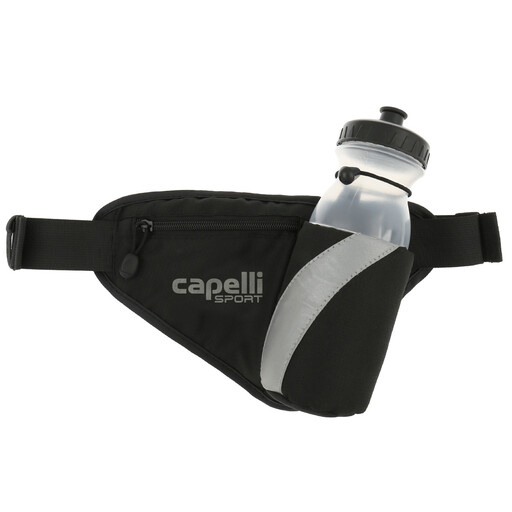
Why It Stands Out: Staying hydrated is crucial, but stopping to pull a bottle from your pack can break your rhythm. This waist pack offers a hands-free solution. It includes a soft, squeezable HDPE plastic bottle that is taste-free and easy to use on the move. The zippered pocket provides immediate access to small essentials like keys, a phone or energy gels.
Pros:
Who is it for? Hikers who want to maintain a steady pace and prioritise easy access to water and small items. It’s a practical addition to your main pack, ensuring your most important items are always within arm's reach.
While a waist pack or side-pocket bottle works well for many, some hikers prefer an integrated hydration reservoir. If you're considering a dedicated system to pair with your pack, you can explore a wider range of options.
Discover our collection of hiking water bags to find the perfect fit for your adventures.
For most 2-3 day trips in spring, summer or autumn, a 40L pack is an excellent size. It provides enough room for a compact sleeping bag, a small tent or bivi, food, cooking supplies and extra layers of clothing. Its size also encourages you to pack efficiently and avoid carrying unnecessary weight. For winter camping or expeditions requiring more specialised gear, a larger pack of 50L or more may be necessary.
To ensure a comfortable and balanced load, follow this general principle:
A truly waterproof trekking bag is typically constructed from materials with a waterproof coating (like polyurethane) and features taped or welded seams to prevent water from seeping through the stitching. However, many packs are described as water-resistant, which means they can handle light showers but may not withstand a sustained downpour. For reliable protection in wet weather, it is always a good practice to use an external rain cover for your pack and to store sensitive items like electronics and clothing inside separate dry bags.