
24/7 Customer Support

Free returns

Same-day & Next-day Delivery

Quality Guaranteed

Unlock Your Welcome Offers: FREE Delivery | Up to 80% OFF | Free 30-day JoyPlus trial
Download the APP
Planning a multi-day trek across the Peak District or a weekend camping trip in the Scottish Highlands is an exciting prospect. But before you can enjoy the views, you need to sort out your gear. Choosing the right backpack is one of the most critical decisions you'll make. A pack that’s too big is cumbersome, while one that’s too small forces you to leave essentials behind.
For many UK outdoor enthusiasts, the 40-litre capacity is the sweet spot for 2-3 day adventures. It offers enough space for your shelter, sleeping system, food and clothing without encouraging overpacking. As your Joybuy Product Recommendation Officer, my goal is to help you navigate the options. This guide provides practical advice and highlights a few standout choices to help you find a reliable companion for your next trip.
A good backpack is more than just a bag; it's a technical piece of equipment designed for comfort and efficiency on the trail. Here are a few key features to look for when making your selection.
The comfort of a backpack, especially when fully loaded, depends almost entirely on its support system. A backpack with an internal frame is designed to transfer the majority of the weight from your shoulders to your hips, which are better equipped to carry heavy loads. Look for packs with an adjustable harness, including the shoulder straps, sternum strap and hip belt. A well-fitted harness prevents chafing and ensures the pack moves with your body, not against it. Breathable back panels with mesh and air channels are also crucial for reducing sweat and keeping you comfortable during strenuous climbs.
The British weather is famously unpredictable. A sudden downpour can soak your gear, making for a miserable experience. While very few packs are completely submersible, a waterproof hiking rucksack or one made from highly water-resistant, durable fabrics is a wise investment. Check for features like sealed seams or an included rain cover. The material should also be abrasion-resistant to withstand scrapes against rocks and branches, ensuring your pack lasts for many seasons of use.
When you're on a multi-day hike, knowing where everything is can save you time and frustration. A well-designed multi-day hike backpack will have a mix of storage options. A large main compartment is essential, but look for other features like a separate pocket for a hydration bladder, side pockets for water bottles, hip belt pockets for snacks and a top lid pocket for maps and essentials. External loops and straps are also useful for attaching trekking poles or a sleeping mat.
Here are a couple of options that offer a great blend of features, durability and thoughtful design for your next adventure.
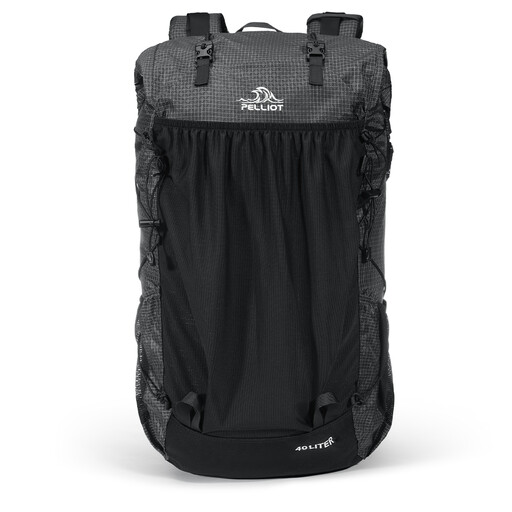
Why It Stands Out: The PELLIOT backpack is built around a sophisticated support system. Its built-in alloy support frame works with a multi-segment pressure reduction design to effectively shift weight to your hips. A standout feature is the Dynamic Walking Harness Technology, where the shoulder straps automatically adjust as you move, allowing for a more natural and less restrictive walking motion.
Pros:
Who is it for? This unisex 40L backpack is an excellent choice for beginner to intermediate trekkers planning 2-3 day trips. It’s particularly suited for those who prioritise carrying comfort and technical performance on the trail.
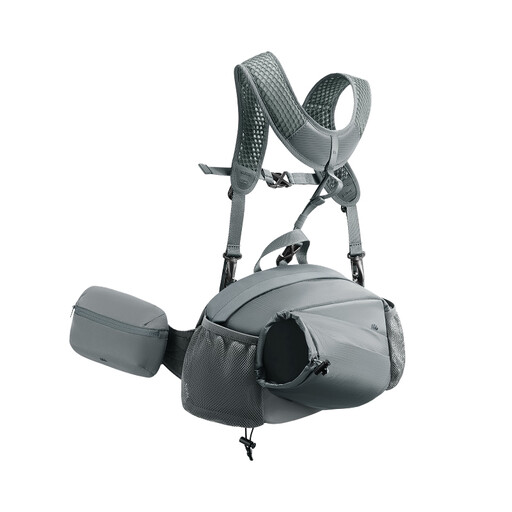
Why It Stands Out: The Beneunder LC359 takes a different approach, focusing on minimalism and versatility. Its most notable feature is the expandable case structure and one-touch quick folding mechanism, allowing it to be packed down compactly when not in use. The proprietary lightweight design and StrongShield protection system—a combination of high-polymer PC panels and protective fabric—offer a unique balance of low weight and durability.
Pros:
Who is it for? This is a great option for the minimalist hiker who packs light. It also serves as an excellent camping and travel backpack for those who need a versatile bag that can transition from a light trail to urban exploration.
No matter which backpack you choose, good lighting is non-negotiable. The Milestone Torch Light LED 3W is a practical addition to any kit.
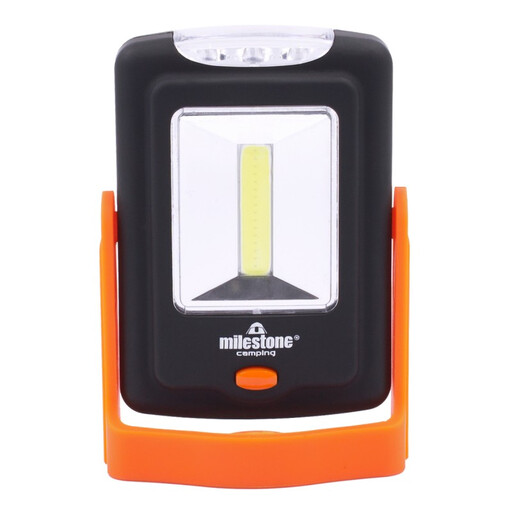
This compact tool functions as both a wide-beam work lamp and a focused torch. Its strong magnetic base and hanging hook allow for hands-free operation, which is incredibly useful when you're setting up a tent or cooking after sunset. It’s small enough to fit in any hip belt or lid pocket.
These recommendations cover some excellent choices, but the right pack is a personal decision. If you're looking for different sizes, feature sets or styles, there are many other models to consider.
Explore our full collection of Base Camp backpacks to find the perfect fit for your specific needs.
1. Is a 40L backpack big enough for a 3-day hike? For most people, yes. A 40L pack is generally sufficient for a 2-3 day trip in spring, summer or autumn, provided you pack efficiently. It encourages you to bring only what you need. For winter trips, when you need bulkier clothing and sleeping gear, you might consider a slightly larger pack.
2. What is the difference between a men's, women's and unisex backpack? The primary differences lie in the fit. Women-specific packs often have shorter torso lengths, narrower shoulder straps that are curved to accommodate the chest and hip belts shaped to sit more comfortably on wider hips. A unisex 40L backpack, like the Pelliot model, typically features a highly adjustable harness system designed to fit a broad range of body types comfortably.
3. How important is a waterproof hiking rucksack in the UK? It is very important. While few packs are 100% waterproof unless they are specialist dry bags, having a pack made from water-resistant fabric can fend off light showers. For persistent rain, a dedicated rain cover is essential. This combination is crucial for keeping your sleeping bag, spare clothes and electronics dry and safe.