One-cable laptop animators
You arrange frames on a laptop at a desk with few spare sockets. A monitor connection that carries video, peripheral data and charging could simplify the setup, provided the laptop supports those functions.


A 4K monitor with USB-C or Thunderbolt video and laptop charging can free a desk socket by replacing a compatible laptop’s separate charger, but the monitor still needs mains power. Choose a more compact 27-inch screen when desk fit matters most, or a 31.5–32-inch screen when you want physically larger timelines and frame thumbnails; match colour specifications to the work you deliver rather than choosing by gamut size alone.
You arrange frames on a laptop at a desk with few spare sockets. A monitor connection that carries video, peripheral data and charging could simplify the setup, provided the laptop supports those functions.
You keep a timeline, frame thumbnails and reference panels visible together. Your choice is between a more compact 27-inch 4K screen and a physically larger 31.5–32-inch workspace that needs more desk room.
You review or deliver work to a defined colour standard. Check whether the exact monitor’s colour modes and calibration information suit your sRGB, Rec.709 or P3 workflow.
Start with the laptop connection: a monitor cannot replace its desk charger unless the laptop can send video through the chosen port and accept the power offered. Then decide how much physical screen and desk space your frame-arranging workflow needs.
| Concern | What to check | Who this matters to |
|---|---|---|
| Fewer desk connections | Compare the laptop’s USB-C or Thunderbolt video and charging requirements with the exact monitor’s ports and power delivery. Check the downstream ports needed for peripherals. | With few free sockets, I want to put away my separate laptop charger without losing my display connection; around 46% of consumers would put connection and socket consolidation first. |
| Timeline space and desk fit | Compare 27-inch and 31.5–32-inch screen sizes, then measure usable desk depth, stand footprint and viewing distance. | If frame thumbnails and a long timeline feel cramped, I would give more desk space to the screen; roughly 27% of consumers would prioritise physically usable workspace. |
| Colour and positioning | Match stated colour modes and calibration information to the delivery standard. Check stand adjustment or compatible mounting for the workstation. | When reviewing colour or working through long sessions, I need a screen that fits both the delivery target and my desk setup; about 27% of consumers would make colour and workstation fit their primary concern. |
USB-C describes the connector, not every function available through it. A monitor’s power delivery only helps with the socket shortage when the laptop also supports the required display connection and charging arrangement.
Compare the laptop’s external-display output and charging requirements with the exact monitor’s input and power-delivery specifications before relying on a one-cable setup.
Depending on the laptop’s available outputs, a different cable, adapter or dock may be needed.
A larger panel can make timelines and thumbnails physically bigger, but its stand may crowd a keyboard or drawing tablet. BenQ specifies a 273.3 mm stand depth for the PD3225U.
Measure usable desk depth and compare it with the exact model’s dimensions. If considering an arm, check its mounting pattern and load rating.
A compatible monitor arm may be needed if the supplied stand takes up the space reserved for other equipment.
P3, sRGB and Rec.709 describe different workflow targets. A coverage claim alone does not establish that the screen and your applications are correctly configured for a particular project.
Identify the delivery colour space, then check the exact monitor’s relevant mode and calibration information alongside your colour-management setup.
A tidier connection does not fix an awkward workstation. The Health and Safety Executive advises positioning the top of the screen at eye level and the screen about an arm’s length away.
Adjust the screen and assess its position alongside your seating, input devices and lighting after installation.
Dell’s UltraSharp hub-monitor models are relevant if a 27-inch 4K screen and laptop connectivity suit your desk.
BenQ’s PD3225U is a 31.5-inch 4K option for a larger animation workspace with Thunderbolt connectivity.
The PA329CV is relevant when a 32-inch 4K workspace and stated sRGB and Rec.709 coverage matter more than assuming one-cable laptop charging.
These 4K monitors offer both compact and larger-screen choices for arranging animation frames. If saving a socket is your priority, check laptop video and charging compatibility for the exact model; do not assume that every USB-C or Thunderbolt connection charges a laptop.
 No image available
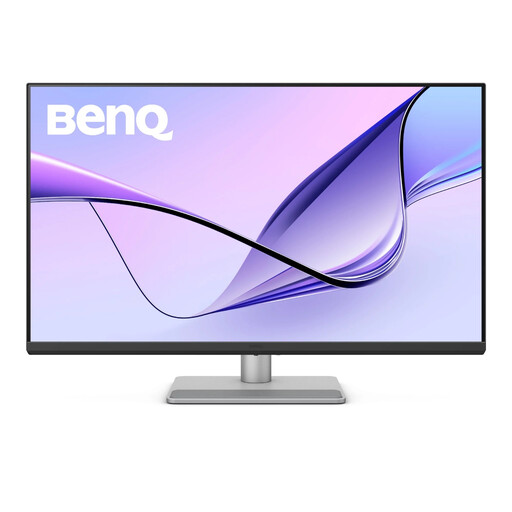
Consider this larger-screen option if frame thumbnails and timeline panels need more physical room. Its name specifies an IPS display, USB-C and an adjustable stand; check desk fit and the intended laptop’s video and charging compatibility before planning a one-cable setup.
 No image available
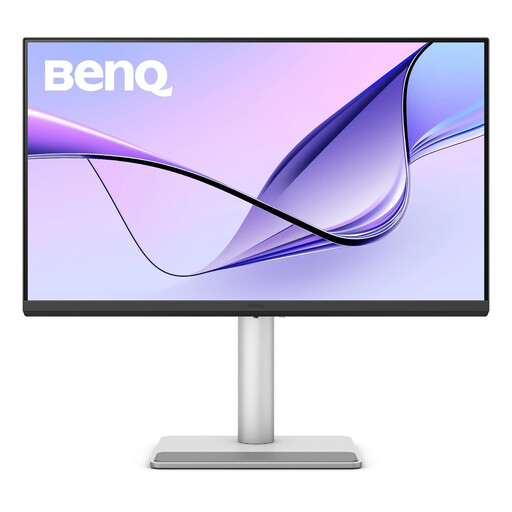
The 27-inch format suits a more compact frame-arranging desk. Its name specifies an IPS display, USB-C and an adjustable stand; verify laptop video and charging compatibility before counting on fewer plugs.
 No image available
Consider the larger curved screen only if that shape suits how you arrange and review frames. The title specifies 165Hz, Type-C 65W and a USB hub; confirm Type-C video output and whether 65W meets the laptop’s charging requirements before relying on it to save a socket.
 No image available
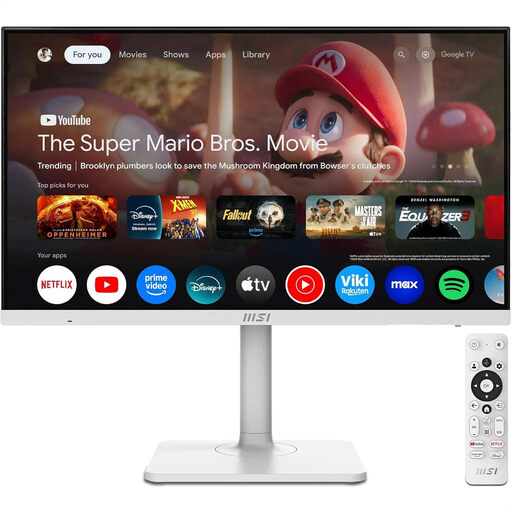
This 27-inch option suits a compact 4K frame-arranging desk if its USB-C connection works with your laptop. The title specifies 65W USB-C and Google TV; confirm laptop video output and charging requirements, and check colour-space specifications if your work has a defined delivery target.
 No image available
This larger-screen model is worth considering when frame layout and the listed colour-workflow features matter more than an assumed charging connection. Its title specifies Thunderbolt 3 and hardware calibration; check the exact colour mode, desk footprint and laptop power-delivery capability before deciding whether it fits a limited-socket setup.
It can free the socket used by a separate laptop charger if the laptop sends video through the relevant USB-C or Thunderbolt connection and accepts the monitor’s charging power. The monitor itself still needs mains power.
No: a 27-inch 4K screen is the more compact choice, while a 31.5–32-inch 4K screen makes timelines and thumbnails physically larger. Choose according to your desk dimensions, viewing distance and the space your panels need.
No: choose a monitor mode that matches the colour space in which the work will be reviewed or delivered. For an sRGB or Rec.709 workflow, a larger P3 coverage claim does not replace appropriate calibration and colour-management settings.
According to the UK Health and Safety Executive, the Display Screen Equipment Regulations apply to workers who use display screen equipment daily for continuous periods of an hour or more; employers must assess those workstations and reduce risks. This is an employer duty, not a certification requirement for a monitor purchased for home use.
The Health and Safety Executive advises placing the top of the screen at eye level and the screen about an arm’s length away. Check that the stand or a compatible arm lets you achieve that position with your actual desk and seating.