Choose a 4K monitor whose screen surface, colour gamut and calibration workflow suit the edits you need to compare; brightness alone will not make colour judgements reliable beside a window. Prioritise reflection control and Adobe RGB capability for print-oriented work, or the appropriate HDR capabilities for video review, while weighing USB-C connectivity against those colour requirements. Adobe advises keeping direct light off the screen and calibrating in lighting similar to your working conditions.
Who needs which setup?
Print-oriented photo editors near a window
If you compare retouching and proof-like colour decisions, Adobe RGB coverage, calibration and control of reflections may matter more than refresh rate or docking features. Adobe advises avoiding direct light on the display during colour work.
HDR and video colour reviewers in a bright room
If HDR review is part of the job, check the relevant colour spaces and HDR capabilities as well as how the screen behaves in your room. A quoted HDR peak brightness is not the same specification as typical brightness for everyday editing.
Laptop-based creators building a single-cable desk
If one connection needs to handle the laptop and desk accessories, check video compatibility, charging requirements and ports. Those conveniences still need to sit alongside colour modes and calibration suitable for the intended output.
What matters when choosing?
Photo and print colour work
Choose when: subtle still-image edits and an Adobe RGB or print-oriented workflow drive the decision.
Trade-off: a hood and colour-management features do not remove the need to control direct sunlight and room lighting.
HDR and video review
Choose when: HDR review is central to the work, rather than an occasional use of the screen.
Trade-off: HDR peak brightness is not an SDR or print calibration target, and a larger display needs suitable desk space.
Laptop-centred editing desk
Choose when: laptop charging and desk connectivity share priority with colour editing.
Trade-off: confirm the required gamut and calibration workflow rather than treating docking features as evidence of colour suitability.
| Concern | What to check | Who this matters to |
|---|
| Reflections and usable brightness |
Check screen-surface treatment and typical brightness, then whether placement, blinds or a hood can keep direct light off the panel. |
Window reflections make it hard to judge tone, so controlling the light reaching the screen comes first. Around 40% of consumers would make reflection control and usable brightness their primary concern. |
| Colour and calibration |
Match gamut and colour mode to the output; check the calibration workflow and access to a compatible colorimeter. |
For repeatable comparisons, I need the display set up for the colour space in which the work will be delivered. Colour and calibration would come first for around 50% of consumers. |
| Desk and laptop fit |
Check screen footprint, connection compatibility and whether stated power delivery meets the laptop requirement. |
A larger editing area and fewer laptop cables may decide how the desk works day to day. Roughly 10% of consumers would put desk integration first, provided the monitor still meets their colour needs. |
Buying pitfalls
-
Buying by HDR peak brightness alone
An HDR peak figure does not tell you the typical brightness, screen reflection treatment or calibrated settings you will use to compare edits. Direct sunlight can still interfere with the view.
Compare typical and HDR figures separately, check the panel surface, and plan how to keep direct light off the screen.
-
Assuming factory calibration settles the matter
Factory-calibration wording does not account for the lighting in your own workspace. Adobe recommends a colorimeter for objectively accurate calibration of the particular display and room conditions.
Check which calibration tools and modes your workflow needs, then calibrate in lighting comparable to your normal editing conditions.
Colour-critical work may require access to a separate compatible colorimeter.
-
Choosing a wide gamut without matching the output
Adobe RGB, sRGB/Rec.709, DCI-P3 and HDR are different targets. A wide-gamut specification alone does not ensure that the selected display mode and editing workflow match the work being delivered.
Identify the delivery colour space first, then check the corresponding calibrated mode and application settings.
-
Overlooking desk and laptop compatibility
A large display needs room to position it, and the presence of USB-C does not by itself establish that a laptop can send video and receive the charging power it needs.
Measure the available desk space and any monitor-arm capacity; check the laptop connection and the exact monitor model’s power-delivery rating.
Brands and monitor lines to consider
BenQ
BenQ UK lists the SW272U as a 27-inch 4K display for colour-managed photo work, with Nano Matte coating, a shading hood, hardware calibration and 99% Adobe RGB and 99% P3 coverage.
- Its listed surface, hood and calibration features address distinct parts of a window-side editing setup.
- Its 400-nit typical brightness does not make direct sunlight suitable for colour comparisons; check whether a 27-inch screen fits your workspace.
ASUS ProArt
ASUS lists the ProArt PA32UCX-PK as a 32-inch 4K Mini LED display with hardware calibration, a supplied hood, 600 cd/m² typical brightness and 1,200 cd/m² HDR peak brightness.
- Its stated HDR and colour-space features are relevant when HDR or video review is part of the workflow.
- Plan for its 32-inch footprint and listed 18.3 kg net weight; do not use its HDR peak figure as an SDR calibration target.
Dell UltraSharp
Dell UK lists 4K UltraSharp options for colour work and connected desks: the 27-inch U2723QE has an anti-glare surface and listed sRGB/Rec.709 and DCI-P3 coverage, while the 31.5-inch U3225QE adds an anti-glare, anti-reflective surface and Thunderbolt hub features.
- Check these models when laptop connectivity and the working area matter alongside the intended colour output.
- Confirm the exact model’s required gamut and calibration workflow before choosing it for print-critical work.
Joybuy monitors for different editing setups
These monitors cover several ways to build a 4K editing desk, from OLED and Mini LED options to larger laptop-connected screens. For a position beside a bright window, make the screen surface, usable brightness and calibration workflow part of the final model check.
 No image available
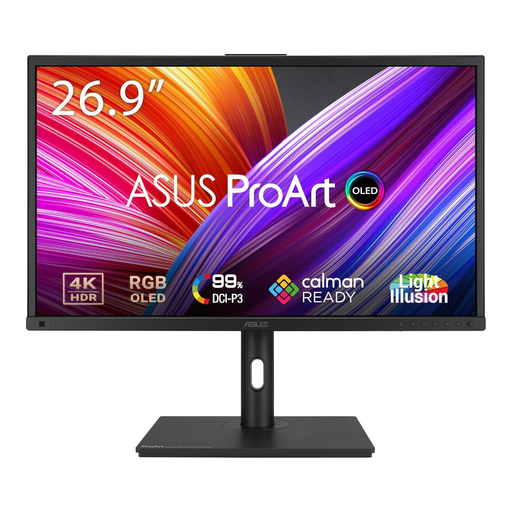
ASUS ProArt PA27DCE-K 4K OLED monitor
Consider this for photo edits where colour-work features matter. Before choosing it for a window-side desk, check its usable brightness, reflection treatment and calibration workflow in your intended lighting.
View on Joybuy
 No image available
ASUS ProArt Display PA32UCG-K 4K HDR monitor
Consider this 32-inch IPS Mini LED model if HDR review is a regular part of editing. Its product title lists hardware calibration and Thunderbolt 3; check the exact model’s typical brightness and HDR settings separately before relying on it in a bright room.
View on Joybuy
 No image available
Dahua 32-inch 4K 165 Hz curved OLED monitor
Consider this if a curved screen and high refresh rate also matter at your editing desk. The product title lists 99% DCI-P3 coverage and 65 W Type-C power delivery; check reflection treatment, typical brightness and the calibration workflow before using it for repeatable window-side colour comparisons.
View on Joybuy
 No image available
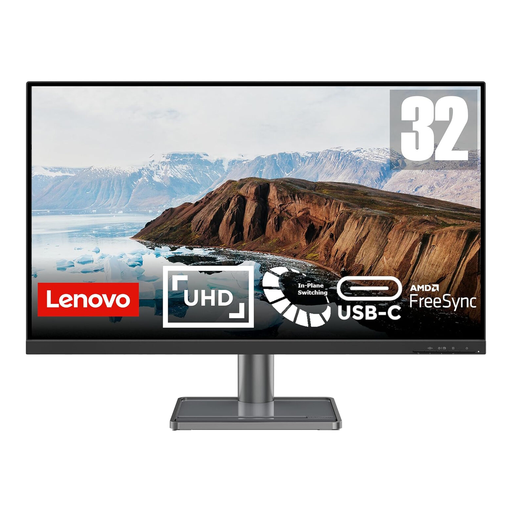
Lenovo L32p-30 31.5-inch 4K UHD monitor
Consider this IPS, USB-C model when a larger laptop-connected editing area matters. Confirm USB-C video compatibility and charging power for your laptop, then check the screen surface, usable brightness and calibration options for the window-side position.
View on Joybuy
 No image available
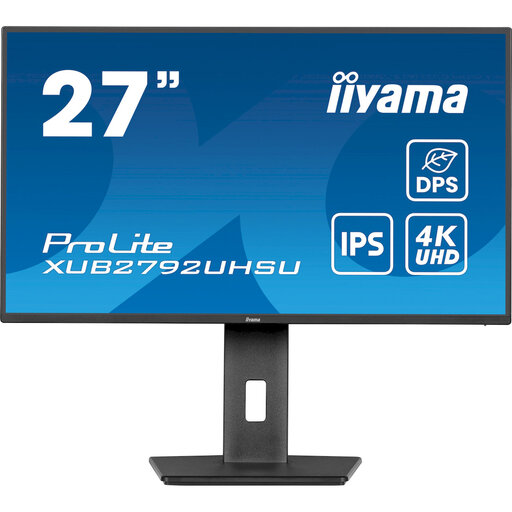
iiyama ProLite XUB2792UHSU-B6 27-inch 4K UHD monitor
Consider this for a 27-inch 4K desk setup, particularly if sRGB output is your priority. Check the panel’s reflection treatment and calibration options for colour comparisons beside a window; the title’s Matte Black wording describes the finish, not the screen coating.
View on Joybuy
Frequently asked questions
Is a very bright monitor enough for accurate colour editing beside a window?
No. Brightness may help you see the screen, but it does not replace calibration or control of direct light. Adobe advises keeping light off the panel and using room lighting similar to your normal editing conditions.
Should photo and video work use the same calibration settings?
Set calibration targets for the intended delivery workflow rather than assuming one setting suits every job. Datacolor recommends 6500 K for Adobe RGB and sRGB; for print or specified video delivery, confirm the required proofing or client standard as well as the display mode.
Does changing daylight mean I should recalibrate?
It may, particularly when colour decisions are critical and the room light changes substantially. Datacolor describes calibration-tool options that measure ambient light and warn when a significant change calls for recalibration; keeping the editing light consistent is another practical step.
What electrical-product information matters when buying a monitor for Great Britain?
Check that the seller can identify the exact product version and provide its applicable electrical-safety and marking information. GOV.UK guidance on the Electrical Equipment (Safety) Regulations 2016 covers equipment placed on the Great Britain market; its guidance dated 21 August 2026 says CE marking continues to be recognised alongside UKCA under the relevant Great Britain rules. Do not apply that Great Britain guidance as a definitive answer for Northern Ireland.


