
24/7 Customer Support

Free returns

Same-day & Next-day Delivery

Quality Guaranteed

Unlock Your Welcome Offers: FREE Delivery | Up to 80% OFF | Free 30-day JoyPlus trial
Download the APP
Navigating the world of car cameras can feel like driving in the fog. With so many models promising crystal-clear footage and total protection, it's easy to end up with a device that fails when you need it most. As a Joybuy Product Recommendation Officer, my role is to help you see through the marketing jargon and focus on what truly matters for UK drivers.
Many buyers invest in a dual dash cam only to discover its flaws after an incident. Before you make a decision, let's look at the common pitfalls that can leave you with useless footage and a lighter wallet.
To ensure you get reliable evidence, focus on the technical foundation of the camera, not just the advertised features. Here are the non-negotiable specifications to check.
The single most important component for a car camera with night vision is its image sensor. A large, high-quality sensor captures more light, which is essential for clarity on poorly lit B-roads or during twilight hours. Look for models that specify a Sony STARVIS image sensor. This has become a benchmark for excellent low-light performance, producing brighter, clearer footage with less noise than standard sensors. The sensor, combined with a wide aperture (e.g., f/1.6), determines whether you capture a usable image or a blurry mess.
A proper parking mode should offer more than just impact detection. While a G-sensor is good for recording a collision, it won't capture the events leading up to it. For comprehensive protection, look for models offering:
Both of these functions require a hardwire kit connected to your car's fuse box, which should also have a voltage cut-off feature to protect your battery.
A dash cam with GPS and WiFi adds two layers of crucial functionality. The built-in GPS automatically embeds your vehicle's speed and location coordinates into the video file. This provides irrefutable evidence for insurance claims or legal disputes. WiFi allows you to connect the dash cam to your smartphone via an app. This means you can view live footage, change settings and download important video clips directly to your phone without the hassle of removing the tiny microSD card.
Instead of a one-size-fits-all approach, we've matched some standout models to the drivers they would suit most.
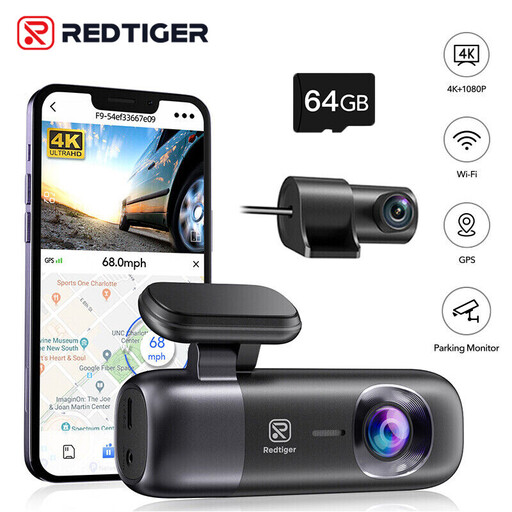
Why This Fits Their Persona: Ideal for UK commuters who need reliable, no-fuss protection. It provides essential front and rear coverage for daily drives on motorways and in city traffic, offering peace of mind without an overwhelming number of features.
This model avoids the hidden cost trap by including a 32GB card in the box, so it's ready to use straight away. It also features built-in GPS and WiFi, providing core functionality without needing extra modules.
Provides a solid 4K front and 1080P rear dual dash cam setup. The smart app control makes it easy to manage footage on your phone.
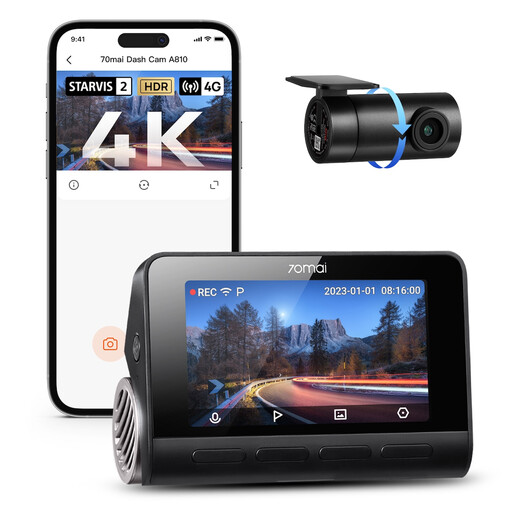
Why This Fits Their Persona: For the driver who wants cutting-edge technology and uncompromising image quality. This user values superior night vision for navigating dark country lanes and wants advanced features like remote monitoring for ultimate peace of mind.
This camera directly counters the "fake 4K" trap by using dual Sony STARVIS 2 sensors for both front (4K) and rear (1080P) cameras, ensuring genuine high-definition recording and exceptional low-light performance.
Features dual-channel HDR and AI-driven parking surveillance. It also supports an optional 4G hardwire kit for remote live viewing and notifications, turning it into a complete vehicle security system.
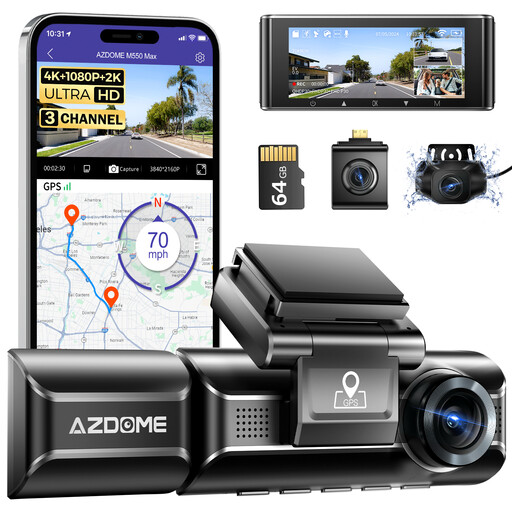
Why This Fits Their Persona: Perfect for ride-share drivers, taxi operators or families who want complete vehicle monitoring. The third interior-facing camera provides an extra layer of security and accountability inside the car.
This is a true 3 channel dash cam, not just a dual camera with a wide lens. It uses dedicated cameras for front, rear and cabin views, ensuring no blind spots. The cabin camera also has infrared (IR) LEDs for clear night vision inside the vehicle.
Offers comprehensive 4K+1080P+2.5K recording across all three channels simultaneously. It also includes a 64GB card and uses a supercapacitor for enhanced reliability in extreme temperatures.
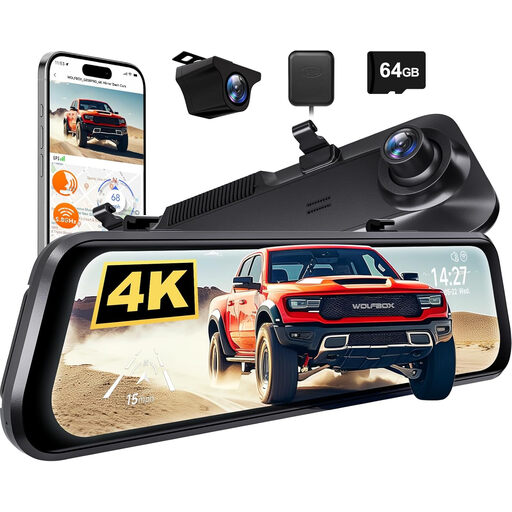
Why This Fits Their Persona: For the driver who wants full dash cam functionality without a cluttered windscreen. This mirror dash cam replaces the traditional rearview mirror with a full-width touchscreen display, offering a clean, factory-fitted look.
Unlike smaller dash cams, the large 12-inch display provides a much wider and clearer view of what's behind you than a standard mirror, effectively eliminating blind spots. It also includes a 64GB card, avoiding hidden costs.
Offers a sleek, integrated design with a 4K front and 1080P rear camera. The touchscreen interface is intuitive and it includes advanced driver-assistance systems (ADAS) for added safety.
We have compiled a complete, real-time list of products that fully satisfy these strict selection criteria and UK safety regulations.
Yes, absolutely. Recording 4K video generates large files and requires fast write speeds. You must use a high-endurance microSD card with a U3 speed class rating. These cards are specifically designed for the constant rewriting cycles of a dash cam and are more reliable than standard cards, which can fail quickly and lead to lost footage.
This is achieved using a hardwire kit, which connects the dash cam directly to your car's fuse box. These kits have a built-in voltage monitor that constantly checks your car battery's charge. If the voltage drops below a set level (e.g., 11.8V), the kit will automatically cut power to the dash cam, ensuring you always have enough charge to start your engine.
Yes, it is perfectly legal to own and use a dash cam in the UK. However, there are a few rules to follow. The camera must not obstruct the driver's view of the road. If you are a professional driver (e.g., taxi or private hire), you must inform your passengers that they are being recorded, especially if you have a cabin-facing camera. The footage is subject to data protection laws, so it should only be used for its intended purpose, such as in an insurance claim.