Shared-office design reviewers
Colleagues inspecting vector artwork together need a screen they can place and adjust at a shared desk, with reflections and laptop connections considered alongside the image.


For reviewing vector artwork in a shared office, choose a 4K monitor with a colour mode suited to the files being reviewed, a screen surface that works under the room lighting, and a stand or mount that accommodates different users. A larger sRGB-oriented display can suit digital artwork reviews, while print-oriented colour decisions call for a defined colour-management and calibration process. If desks or laptops change frequently, check placement and connections before choosing a larger screen.
Colleagues inspecting vector artwork together need a screen they can place and adjust at a shared desk, with reflections and laptop connections considered alongside the image.
Teams reviewing assets for sRGB-oriented digital delivery can focus on a suitable colour mode and a practical shared viewing setup rather than assuming they need print-proofing equipment.
Teams making decisions across print and digital colour spaces need documented modes and a repeatable calibration process, not 4K resolution alone.
Consider it when: colleagues review mainly sRGB or Rec.709 digital work and want a physically larger screen to view together.
Trade-off: BenQ UK describes the 31.5-inch PD3205U with 99% sRGB and 99% Rec.709 coverage, but those claims alone do not establish a print-proofing workflow.
Consider it when: desk space and changing laptops make connection and adjustment especially important.
Trade-off: a 27-inch screen offers less physical viewing area than a 32-inch screen; confirm the exact model's colour modes separately from its hub features.
Consider it when: reviews include print production or decisions across multiple managed colour spaces.
Trade-off: features such as the integrated calibration sensor specified for EIZO's CG2700X need an established calibration workflow to be useful.
| Concern | What to check | Who this matters to |
|---|---|---|
| Colour consistency | Match documented colour modes to the artwork's output space; establish a calibration process if reviews depend on repeatable colour. | When I approve artwork for particular digital or print outputs, I need the review mode to match that work. Around 42% of consumers put colour consistency first. |
| Shared-desk connections | Check each laptop's video output against the monitor's inputs and confirm any required USB-C charging capability. | If colleagues bring different laptops to the desk, I want each one to connect without disrupting the review. For around 33% of consumers, straightforward desk sharing is the primary need. |
| Comfortable shared viewing | Check reflections, desk depth and whether the stand or mount permits a suitable screen position. | During longer reviews, I need colleagues to see the artwork without awkward positioning or distracting glare. Comfortable shared viewing comes first for around 25% of consumers. |
Resolution describes image detail, not whether a display's selected colour mode matches the files under review.
Check the documented sRGB, Rec.709 or other relevant modes. For colour-managed work, decide who will calibrate the monitor and how the result will be maintained.
The Health and Safety Executive advises placing the screen about an arm's length away, with its top at eye level. A shallow desk can make that harder to arrange.
Measure the usable desk depth and check the stand's adjustment range or mounting compatibility.
A separate monitor arm or a changed desk layout may be needed to achieve a suitable position.
A USB-C connector alone does not establish whether the laptop and monitor provide the required display connection, charging and peripheral functions.
Compare each office laptop's video-output and charging requirements with the exact monitor's port and power-delivery specifications.
UK government guidance requires an energy label at the point of sale, including online, for products within its energy-labelling scope.
Use the label for the exact display variant when comparing energy information; do not infer consumption from 4K resolution alone.
The Creative Pro PD3205U is a 31.5-inch 4K designer monitor aimed at sRGB and Rec.709 work.
The UltraSharp U2725QE is a 27-inch 4K office-hub option for laptop-led desks.
The ColorEdge CG2700X is a 27-inch 4K display intended for managed creative and production colour workflows.
The ProArt PA32UCX-PK is a 32-inch 4K display with features aimed at wide-gamut and HDR work.
These 4K displays cover different shared-review setups, from adjustable office screens to specialist colour features. Match each model's surface, connections and colour controls to the files, lighting and laptops your team uses.
 Image unavailable
Consider this model if the team has a defined colour-management workflow for shared artwork reviews.
The product name specifies an IPS Mini LED display, hardware calibration, DCI-P3, Thunderbolt 3 and HDMI 2.1. Check that its colour presets and calibration process suit the work; if peak brightness matters, confirm the exact figure for this variant.
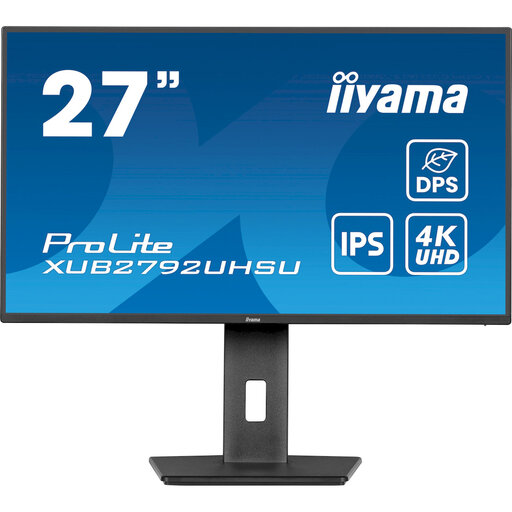 Image unavailable
A 27-inch option to consider where the shared desk cannot comfortably accommodate a larger display.
Before using it for colour decisions or a laptop-led desk, confirm the required colour mode, screen-surface treatment and USB-C capabilities for the exact model.
 Image unavailable
Consider this larger screen for a Mac-led shared desk if its glossy finish works under the office lighting.
The product name specifies a Nano Glossy IPS display and a height-adjustable stand. Check reflections in the intended position and confirm colour behaviour and connections for any non-Mac laptops that will use it.
 Image unavailable
Consider the curved screen only if its shape suits how colleagues will inspect artwork together.
The product name specifies 99% DCI-P3 coverage, a 165 Hz refresh rate and Type-C 65 W. Confirm the colour modes needed for the files, the screen finish and any calibration requirements before relying on it for review decisions.
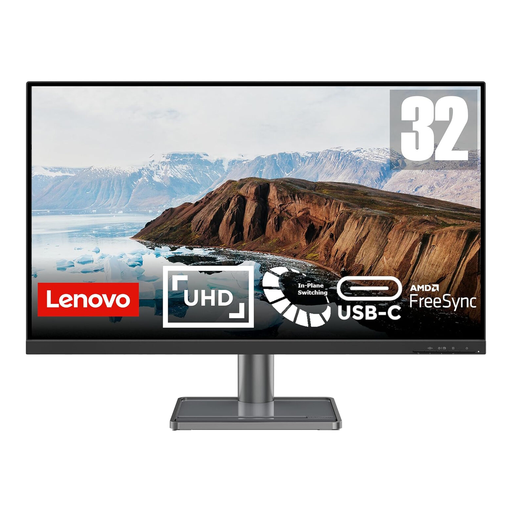 Image unavailable
This larger-screen option is worth checking for shared inspection when the desk has enough depth.
The product name specifies USB-C connectivity. Confirm the colour modes, screen-surface treatment, USB-C functions and stand adjustment range against the office setup.
An sRGB-oriented display can suit reviews of artwork intended for an sRGB digital workflow. If decisions involve print production or other managed colour spaces, check the relevant documented modes and establish how the display will be calibrated.
The Health and Safety Executive advises placing the top of the screen at eye level and the screen about an arm's length away. Check desk depth and stand or mount adjustment before choosing a larger display for users of different heights.
Yes, the Health and Safety Executive says the Display Screen Equipment Regulations apply to workers who use such equipment daily for continuous periods of an hour or more. Consider the monitor as part of the workstation setup rather than assessing its specifications in isolation.
Check the energy label for the exact monitor variant. UK government guidance requires products within the energy-labelling rules to display a label at the point of sale, including on a website; 4K resolution alone does not tell you a model's energy consumption.