One-cable laptop users
If sockets are scarce, you want the monitor to handle laptop video and charging through one USB-C cable, provided your laptop and the monitor are compatible.


For comparing architectural drawings with limited sockets, look for a 4K monitor that can carry video and enough charging power through one USB-C connection, but only if your laptop supports both functions. Check screen positioning for drawing review, and consider KVM or picture-by-picture only if you use two sources; a USB-C port alone does not establish one-cable compatibility.
If sockets are scarce, you want the monitor to handle laptop video and charging through one USB-C cable, provided your laptop and the monitor are compatible.
You compare plans, elevations or detail drawings at a desk and need to assess 4K resolution alongside panel finish and practical screen positioning.
You move between a laptop and another source, making input switching, a shared keyboard and mouse, or simultaneous views worth considering.
Start with your laptop’s video and charging requirements, then consider how you view drawings and whether you need two live sources.
| Concern | What to check | Who this matters to |
|---|---|---|
| One-cable connection | Confirm that the laptop’s USB-C port supports display output and charging, then compare its power requirement with the monitor’s stated power delivery. | I want to connect my laptop without occupying another socket for its charger; around 42% of consumers put a compatible one-cable setup first. |
| Drawing review | Check for native 3840 × 2160 resolution and a panel finish and mounting or stand adjustment suited to your viewing position. | When I spend long sessions comparing drawing details, screen placement and a readable view matter more to me than extra switching functions; around 33% of consumers prioritise drawing review. |
| Two-source workflow | Check the inputs, KVM controls and whether picture-by-picture leaves enough screen area for each drawing. | I need to move between a laptop and another live source without adding a separate switch; for around 25% of consumers, managing two sources is the primary concern. |
Monitor power delivery will not replace a separate charger unless the laptop accepts charging at the available wattage and supports display output through its USB-C port.
Check the laptop manufacturer’s port and charging specifications against the monitor’s video and power-delivery specifications before buying.
These functions address switching or viewing multiple sources; they do not, by themselves, change a drawing shown from one laptop.
List the devices you will connect, and prioritise KVM or picture-by-picture only if that workflow calls for them.
A manufacturer’s CAD/CAM mode or colour specification may be relevant to particular graphics work, but it does not resolve laptop compatibility, charging or screen-positioning needs.
Confirm the core connection and desk setup first, then decide whether those additional display features serve your drawings or presentation work.
Screen size alone is not a sound basis for comparing electricity use between models.
Compare the energy information supplied for the exact monitors you are considering and relate it to your expected use.
BenQ UK lists the 27-inch 4K IPS PD2706U with USB-C DisplayPort Alt Mode, 90W power delivery and a CAD/CAM mode.
Samsung UK lists the 27-inch 4K ViewFinity S8 S80UD with 90W USB-C charging and data, LAN and KVM.
ASUS UK lists the 27-inch 4K IPS ProArt PA279CRV with DisplayPort over USB-C and 96W power delivery.
Dell UK lists the 27-inch 4K UltraSharp U2725QE with IPS Black panel technology and a 120Hz specification.
These 4K monitors offer options for desk-based drawing review. Check each model’s USB-C video and charging capabilities before treating it as a way to free a socket.
 No image available
For desk-based drawing review, consider this Mac-oriented model if its Nano Glossy finish suits your workspace. It has USB-C and a height-adjustable stand; check its video and charging capabilities against your laptop before relying on one cable.
 No image available
Consider this larger Mac-oriented screen for drawing review if it fits your desk and viewing position. It has a Nano Glossy finish, USB-C and a height-adjustable stand; verify laptop video and charging compatibility before planning a one-cable connection.
 No image available
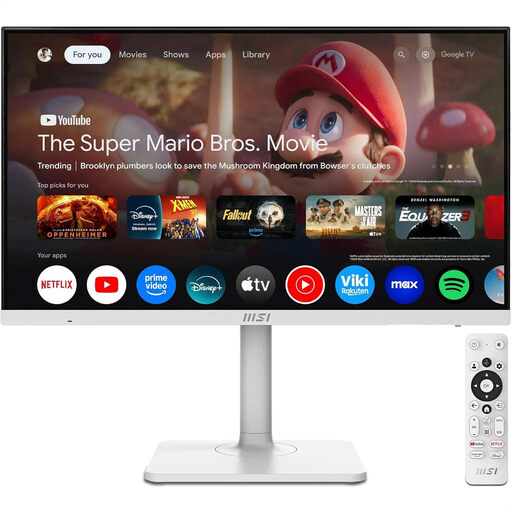
This 4K model is an option for drawing review if its smart-monitor functions also suit your desk. Its named features include Multi-Control and Dolby Audio; confirm whether its USB-C port carries monitor video and whether 65W meets your laptop’s charging requirement.
 No image available
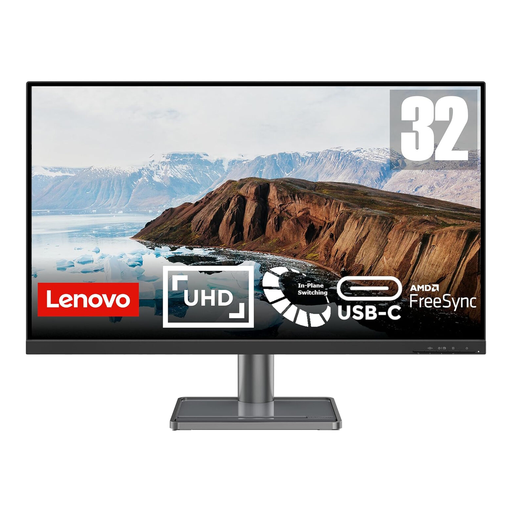
This larger 4K screen is worth considering for drawing review if it fits your desk. Before counting on its USB-C connection to reduce cables and occupied sockets, confirm the monitor’s video and power-delivery specifications and your laptop’s requirements.
 No image available
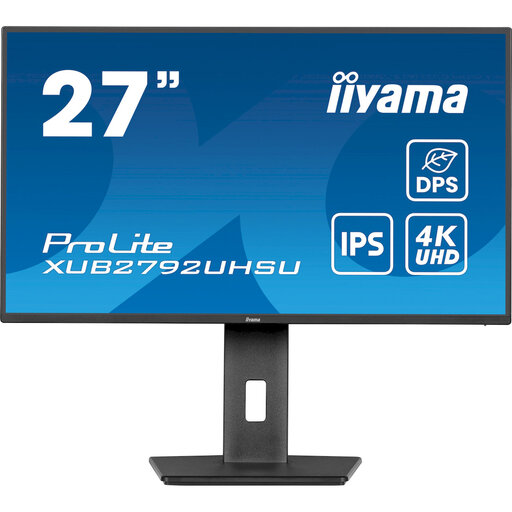
For drawing review, this 16:9 matte-black model offers the requested 4K resolution. If freeing a socket is essential, confirm whether its USB-C connection supports monitor video and laptop power delivery before choosing it for that purpose.
It can if your laptop accepts charging through its USB-C port, supports video output through that connection and can use the monitor’s available power delivery. BenQ UK and Samsung UK list 90W for the PD2706U and ViewFinity S8 S80UD respectively, while ASUS UK lists 96W for the PA279CRV; check your exact laptop and monitor specifications before setting aside the charger.
KVM is useful if you want to control two connected computers with one keyboard and mouse; picture-by-picture is useful if you need to see two live inputs at once. For the latter, check that each part of the divided screen remains readable at your usual drawing scale.
No; it is an optional viewing feature, not a requirement for showing drawings. BenQ UK lists a CAD/CAM mode for the PD2706U, but resolution, laptop connection compatibility and screen positioning remain checks whichever model you choose.
Check the exact model’s supplied product and energy information rather than judging it from photographs. GOV.UK guidance from the Office for Product Safety and Standards says the Electrical Equipment (Safety) Regulations 2016 set requirements for electrical equipment before it is placed on the Great Britain market; separate GOV.UK energy-information guidance specifies labels and product information sheets for products within its scope.