Choose a 4K monitor whose stated colour coverage matches the intended output for your vector artwork, then check its calibration documentation, laptop connections and fit on your study desk. ASUS describes the PA279CRV as an Adobe RGB and DCI-P3 option, BenQ documents sRGB and Rec.709 coverage for the PD2706U, and Dell positions the U2725QE around Thunderbolt desk connectivity; check the Dell model’s colour specifications before relying on it for colour-critical review. Published display claims do not guarantee matching results on another screen or in print, and they do not establish that a monitor is silent.
Who this is for
Colour-critical vector reviewers
If you check logos, illustrations or brand assets for a particular output colour space, match the monitor’s stated coverage and colour mode to that workflow. Adobe’s Illustrator guidance distinguishes choices for printable and web-safe colours; a wide-gamut specification alone does not settle how an asset will appear at its destination.
Creative-laptop users
If you want one desk connection for video, data and charging, compare the monitor’s USB-C or Thunderbolt functions with your laptop’s video-output and charging requirements. A matching connector shape alone is not enough.
Long-session study reviewers
If you spend extended periods comparing artwork, consider reflections, screen position and the space available for the stand. The Health and Safety Executive advises adjusting screens and lighting to avoid glare, alongside changes of activity and breaks.
What matters when choosing
For vector-art review, establish the artwork’s intended colour space before weighing desk connectivity and the way the screen will sit in your study.
| Concern | What to check | Who this matters to |
|---|
| Colour-space fit |
Compare the exact model’s coverage for your intended output space and its stated calibration documentation; select the corresponding colour mode when reviewing work. |
If I judge artwork for a defined web, screen or print-oriented workflow, I need the display’s colour claims to relate to that destination rather than simply choosing the largest gamut figure. Colour-space fit would be the primary concern for around 50% of consumers. |
| Laptop connection |
Check laptop video output and charging requirements against the monitor’s USB-C or Thunderbolt functions and power-delivery rating. |
If my laptop anchors a compact study desk, I want to know whether one compatible connection can carry the functions I need. Around 30% of consumers would put connection and desk workflow first. |
| Study setup |
Assess reflections under your lighting and whether the stand adjusts enough for your desk; check operational noise separately if silence is essential. |
When I review artwork for long stretches, glare and screen position can distract me even if the display has suitable colour coverage. A comfortable study setup would come first for around 20% of consumers. |
Buying pitfalls
-
Choosing by the largest gamut percentage alone
ASUS’s PA279CRV claims Adobe RGB and DCI-P3 coverage, while BenQ’s PD2706U publishes sRGB, Rec.709 and P3 figures. Those percentages describe different colour spaces, so the largest number is not automatically the most useful for your artwork.
Identify the delivery space, then check the exact monitor’s coverage, colour modes and calibration claim. Keep the document and output colour-management settings in view as well.
-
Assuming USB-C means a complete one-cable setup
ASUS advertises up to 96 W USB-C power delivery for the PA279CRV and BenQ specifies 90 W for the PD2706U, but laptop video, charging and hub functions also depend on the computer and connection used.
Compare the laptop maker’s port and charging specifications with the monitor documentation, and check which cables are supplied.
-
Treating anti-glare features as a complete comfort solution
A screen coating cannot correct poorly positioned lighting or remove the need to change posture during a long review session.
Position the screen and lights to minimise reflections, use the available stand adjustments and take breaks. These steps reflect the Health and Safety Executive’s display-screen workstation guidance.
-
Confusing similar model numbers
Models within the same brand family can have different screen sizes, connections and colour specifications. A familiar range name does not establish that a listing is for the monitor you intended to choose.
Check the complete model number and variant on the product-detail page, then confirm its specifications, seller, warranty information and return procedure before ordering.
Brands to consider for this task
ASUS ProArt
The 27-inch 4K PA279CRV is a reference point for vector work where published Adobe RGB or DCI-P3 coverage matters.
- ASUS states 99% coverage of each space, factory pre-calibration to Delta E <2 and USB-C power delivery up to 96 W for this model.
- These are manufacturer claims, not a guarantee that artwork will match another display or printed output. Confirm the colour mode and laptop compatibility for your workflow.
BenQ PD
The 27-inch 4K PD2706U provides a model-specific reference for predominantly sRGB or Rec.709 design review.
- BenQ specifies 100% sRGB, 100% Rec.709 and 95% P3 coverage, a factory calibration report, a matte coating, KVM functionality and 90 W USB-C power delivery.
- BenQ specifies a 60 Hz refresh rate, and supplied cables may vary by region. Check whether its stated colour spaces and included connections suit your work.
Dell UltraSharp
The 27-inch 4K U2725QE is a reference point for reviewers who also want a Thunderbolt hub-style desk setup.
- Dell describes an IPS Black panel, a 3000:1 contrast specification, 120 Hz refresh rate, anti-reflective treatment and stand adjustment for this model.
- Check its model-specific gamut and calibration information against the artwork’s delivery space before choosing it for colour-critical review.
Joybuy product choices
These 4K monitors offer different sizes, screen finishes and connections for a vector-review desk. Match each exact model to your output colour space and available study space; the products here are separate from the PA279CRV, PD2706U and U2725QE discussed above.
 Image unavailable
ASUS ProArt Display PA32UCG-K, 32-inch 4K
Consider this larger display if you have room for a 32-inch screen and need to review detailed artwork. Its title identifies an IPS Mini LED panel, 120 Hz refresh rate and Thunderbolt 3; check the desk fit and the calibration documentation before relying on the advertised Delta E <1 claim.
View on Joybuy
 Image unavailable
Dahua 32-inch curved 4K OLED monitor
Consider whether a large curved screen suits your artwork-review distance and desk before choosing this model. The title specifies 3840 × 2160 resolution, 165 Hz, 99% DCI-P3 and 65 W Type-C power delivery; check the basis of its colour-accuracy claim and your laptop’s charging requirements.
View on Joybuy
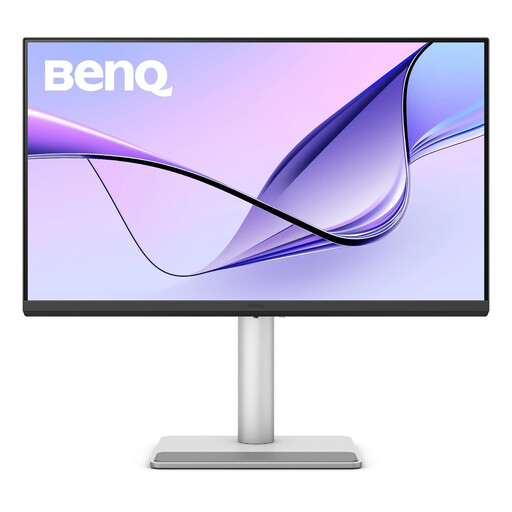 Image unavailable
BenQ MA270UP Nano Glossy, 27-inch 4K
This model is worth assessing if a 27-inch screen and USB-C connection suit your desk. Its Nano Glossy finish makes lighting and reflections an important check in a quiet study; confirm the colour-calibration information you need for repeatable review.
View on Joybuy
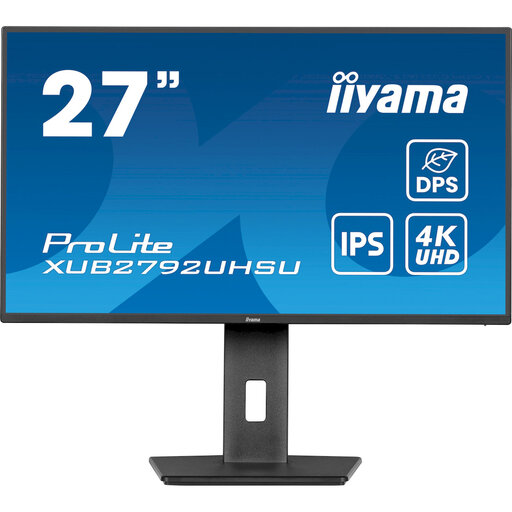 Image unavailable
iiyama ProLite XUB2792UHSU-B6, 27-inch 4K
Consider this 27-inch 4K option for a study desk where the screen size fits. If repeatable colour judgement or one-cable laptop charging is important, confirm the exact model’s calibration and power-delivery specifications before choosing it.
View on Joybuy
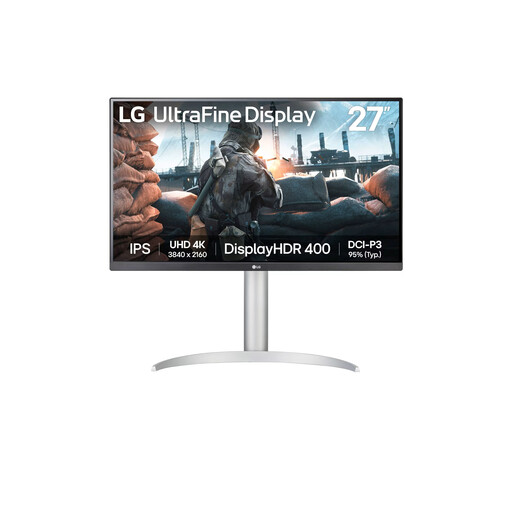 Image unavailable
LG UHD Monitor 27UP650K, 27-inch 4K
This model gives you a 27-inch 4K option to assess for P3-oriented artwork review. Its title states 95% DCI-P3 coverage, HDMI and DisplayPort connections; check calibration information and whether those connections suit your computer.
View on Joybuy
Common questions
Will a wide-gamut monitor make vector artwork look identical everywhere?
No. The monitor’s coverage and calibration claims concern that display, while the document’s colour settings, output profile and destination also affect the result. Adobe’s Illustrator guidance distinguishes printable and web-safe colour choices; identify the intended delivery space before selecting a monitor mode.
How can I reduce reflections while reviewing artwork in a study?
Position the screen and lighting to avoid glare, then use the stand adjustments available on your monitor. The Health and Safety Executive also advises attention to posture, breaks and changes of activity; an anti-glare coating does not replace those workstation measures.
What if I need to return a monitor bought online in the UK?
An eligible online purchase can have change-of-mind cancellation rights, while a faulty or misdescribed monitor raises separate remedies. GOV.UK distinguishes these situations; check the applicable terms and the seller’s packing and collection instructions rather than treating a voluntary returns policy as the whole of your rights.
What should I do with an old monitor in the UK?
Look for an electrical recycling or reuse option rather than putting the monitor in ordinary household waste. GOV.UK describes electrical equipment covered by WEEE rules, while Recycle Your Electricals provides a way to find local options; check collection and take-back arrangements for your postcode.


