Laptop-based render reviewers with few sockets
If your laptop supports video and adequate charging through the same connection, a suitable monitor could take the place of a separate charger or dock on your desk.


Start with a 4K monitor that can receive video and supply enough power to your compatible laptop through one USB-C or Thunderbolt cable. That can free the socket used by a separate laptop charger, but the monitor still needs mains power. Then weigh a compact 27-inch screen against a larger render view and, if colour decisions are critical, check the display’s stated colour space and calibration options.
If your laptop supports video and adequate charging through the same connection, a suitable monitor could take the place of a separate charger or dock on your desk.
When you assess materials, gradients and dark details, 4K resolution is only part of the decision. Check the colour space your work uses and whether the display has a suitable calibration path.
A 27-inch 4K screen may be easier to place than a larger display. Compare its physical viewing area with the space needed for your render preview and application controls.
Check the laptop connection and charging requirements first, then decide how much colour-management support and physical viewing area your render work needs.
| Concern | What to check | Who this matters to |
|---|---|---|
| One-cable laptop use | Confirm USB-C or Thunderbolt video support, the laptop’s charging requirement and the monitor’s power-delivery rating. | I have few free sockets and want to connect and charge my laptop without plugging in its charger separately. Around 36% of consumers put that one-cable need first. |
| Colour confidence | Match the stated colour space to your output and check the exact model’s calibration options or report. | If I approve material colours or lighting from a render, extra pixels alone will not settle whether I can trust what I see. For around 29% of consumers, colour confidence is the primary concern. |
| Screen size and desk fit | Measure desk depth and the stand footprint; compare a 27-inch view with a 31.5- or 32-inch one. | I need enough physical space to inspect the render, but the screen and stand must fit where I work. That balance comes first for around 21% of consumers. |
| Peripheral connections | List the devices you need to connect and confirm the monitor’s ports and your laptop’s host-port support. | If my keyboard, storage or other devices would otherwise need a separate dock, monitor connectivity matters more than a display connection alone. Around 14% of consumers prioritise that peripheral setup. |
A USB-C connector alone does not establish that the laptop sends video through it or that the monitor can supply enough power for the laptop’s workload.
Check the laptop’s display-output and charging specifications against the exact monitor’s power-delivery rating and cable requirements.
You may still need a separate charger, dock or suitable cable.
Resolution describes image detail, not whether the display is suitable for judging colours in a managed render workflow.
For colour-sensitive approval, check the required colour space, the model’s stated calibration provisions and the colour-management settings in your viewing software.
Ongoing calibration may require a separate calibrator if the chosen display and workflow do not provide one.
A larger physical render view also needs room for the monitor’s stand and a comfortable viewing position.
Measure the usable desk width and depth, then check the exact dimensions and mounting requirements before choosing a 31.5- or 32-inch model.
Fitting the display may require an arm or a change to the desk layout.
The UltraSharp U2725QE is a 27-inch 4K Thunderbolt hub option for a laptop-centred desk.
The 31.5-inch DesignVue PD3225U pairs a larger 4K view with Thunderbolt connectivity.
The PA279CV and PA24US illustrate different ways to prioritise desk size and calibration features.
The 27-inch UltraFine 27U730A-B is a 4K USB-C option for a compact laptop setup.
These 4K monitors offer different screen sizes and connections for render checking. Before relying on one-cable charging, compare the exact monitor and laptop specifications; a larger or colour-focused display does not automatically meet that requirement.
 No image available
Consider this curved screen if you have room for a larger render view and want to assess its USB-C connection for laptop use.
The product name specifies 65W Type-C power delivery, a USB hub and 99% DCI-P3 coverage. Check whether 65W meets your laptop’s charging needs and whether the screen fits your desk.
 No image available
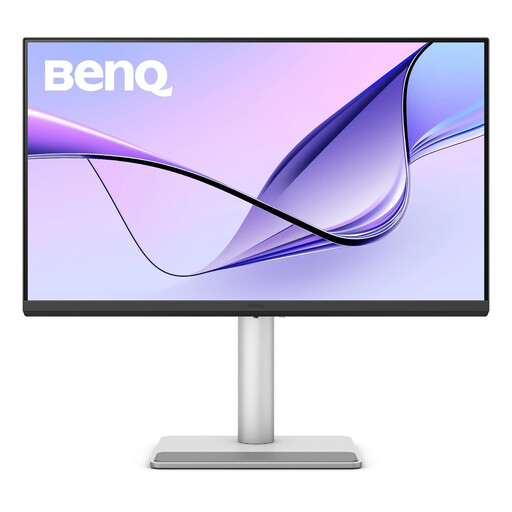
The 27-inch size is worth considering when you need a 4K render view on a smaller desk.
The product name specifies USB-C and a height-adjustable stand. Check video and charging compatibility with your laptop, and confirm the calibration provisions if the render will be used for colour-critical approval.
 No image available
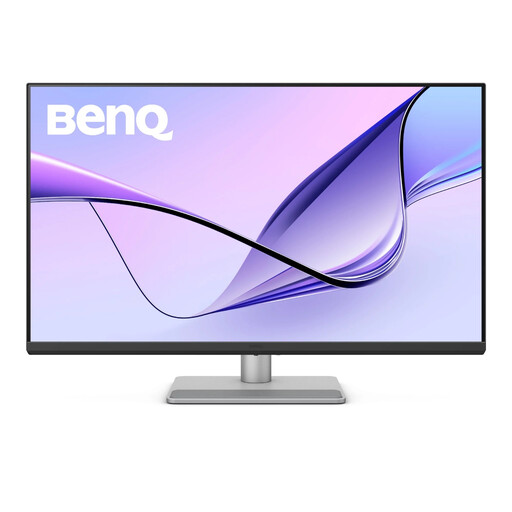
Consider this model when a larger physical render view matters more than keeping the monitor compact.
The product name specifies USB-C and a height-adjustable stand. Check its desk footprint, laptop video and charging compatibility, and calibration provisions before using it for colour-critical decisions.
 No image available
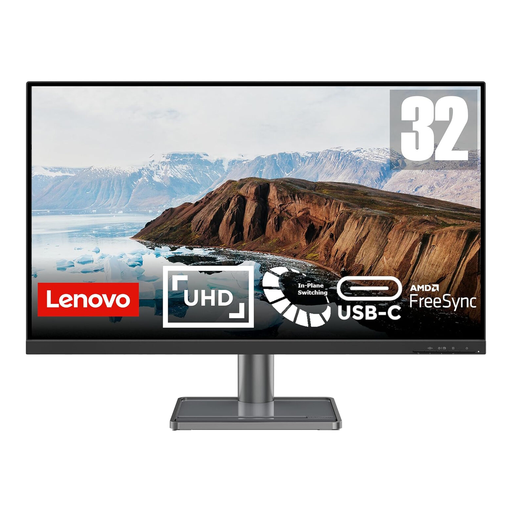
This model offers a larger physical screen for inspecting a render, provided its footprint suits your desk.
The product name specifies an IPS panel and USB-C. Confirm the port’s video and power-delivery capabilities against your laptop before planning to leave its charger unplugged.
 No image available
Consider this model when the render workflow calls for a larger screen and specific colour-management features, rather than assuming it will simplify laptop charging.
The product name specifies an IPS Mini LED panel, Thunderbolt 3 and hardware calibration. Check the calibration requirements of your workflow, the desk space available and the exact laptop-charging capability before buying.
It can free the socket used by a separate laptop charger if your laptop supports video over that connection and the monitor supplies enough charging power. The monitor itself still needs a mains socket, so check both devices’ specifications before counting on a one-cable setup.
4K helps you inspect image detail, but it does not establish colour accuracy for render approval. If colour matters to the decision, check the intended colour space and calibration path: ASUS specifies factory calibration for the PA279CV, while BenQ lists a factory calibration report for the PD3225U.
Choose a 27-inch model when desk fit takes priority; consider a 31.5- or 32-inch model when you have room and want a physically larger render view. Measure the stand footprint and viewing distance, then compare the ports and colour features of the exact models you are considering.
No: a USB-C connector alone does not establish video-output support or adequate charging. Check the laptop manufacturer’s display and charging specifications, the monitor’s power-delivery rating and the cable requirements for the intended connection.