Texture and material artists reviewing seams
If you move texture areas, normal maps or roughness transitions between screens, matching colour modes, scaling and viewing positions helps you judge the asset rather than a difference between displays.


For texture-seam review across two screens, start by considering two monitors of the same exact model, set to matching colour modes, brightness and desktop scaling. A 27-inch 4K pair is one documented route; choose wider-gamut displays when your work uses Adobe RGB or DCI-P3, and check that the computer and connection path can drive two independent 4K screens. Factory calibration offers a starting point, not a guarantee that two units will look identical.
If you move texture areas, normal maps or roughness transitions between screens, matching colour modes, scaling and viewing positions helps you judge the asset rather than a difference between displays.
Two screens must work with your computer’s display outputs and any dock. If you also want laptop charging or peripheral connections through a monitor, check those requirements separately from video support.
When seam decisions feed into photography, video or other colour-managed work, documented gamut coverage and the monitor’s colour mode matter alongside physical screen matching.
Decide which colour space your assets use, then plan how to match the two displays and connect both at native resolution. A monitor’s wider gamut or hub features do not, by themselves, settle those other checks.
| Concern | What to check | Who this matters to |
|---|---|---|
| Cross-screen consistency | Check the exact model, matching colour presets and brightness settings, and whether both screens can be aligned at the same viewing angle. Factory calibration does not guarantee a match between units. | When I move a texture between screens, I need to tell a real seam from a display difference; around 42% of consumers put cross-screen consistency first. |
| Colour-space fit | Identify the asset’s target space and check the relevant sRGB/Rec.709 or Adobe RGB/DCI-P3 specification. For consequential colour judgements, consider how you will calibrate and use the correct mode. | If my seam judgement feeds into colour-managed work, the display mode must suit the asset rather than merely offer a broad gamut. Around 33% of consumers prioritise that colour-space fit. |
| Dual-4K connection | Confirm two independent native-4K outputs through the computer, dock and cables. Check laptop charging requirements and any DisplayPort multi-stream or daisy-chain support separately. | I need both screens to run from my existing workstation without assuming a USB-C connector supports the whole setup; for around 25% of consumers, connectivity is the primary concern. |
Equal resolution does not mean equal colour modes, brightness or viewing geometry. A difference between displays can complicate a judgement about a texture seam.
For seam-critical comparison, consider two units of the same exact model and match their settings and physical positions before reviewing assets.
Adobe RGB or DCI-P3 coverage is relevant when the asset and colour-managed workflow use those spaces. It is not an automatic advantage when reviewing SDR assets in sRGB or Rec.709.
Establish the target colour space, then check for an appropriate monitor mode and documented coverage.
Two independent 4K signals depend on the computer, graphics output and complete connection path. DisplayPort describes multi-stream transport as one way to connect multiple displays, but the relevant hardware must support it.
Check the computer’s external-display limits and the dock or monitor’s output capabilities before planning a chain or a single-cable desk.
If the existing outputs cannot support the arrangement, a compatible dock, adapter or different connection layout may be needed.
UK government energy-labelling guidance covers electronic displays. When replacing monitors, disposal is a separate practical consideration.
Compare energy information for the exact models you are considering, and check an appropriate local collection or take-back route for discarded screens.
These lines illustrate different specification priorities; check the exact model rather than carrying a feature from one generation to another.
A 27-inch 4K hub-monitor route for a matched desk setup where connections also matter.
A designer-monitor route to consider for sRGB and Rec.709 texture or SDR-content review.
A creative-monitor route when seam review forms part of an Adobe RGB or DCI-P3 colour-managed workflow.
These 4K monitors offer different starting points for a two-screen texture-review desk, including 27-inch options and a larger ASUS ProArt display. Compare the exact variant, colour mode and mounting arrangement you need; choosing two units still requires checking their match and your computer’s dual-display support.
 No image available
Consider this larger screen if a 32-inch display fits your side-by-side layout and your work calls for checking wide-gamut modes. The product title specifies a 4K IPS Mini LED display, 120 Hz, Thunderbolt 3 and HDMI 2.1; check the exact colour-mode and brightness specifications before relying on them for review. Factory calibration alone cannot establish how two units will match.
 No image available
The 27-inch 4K format is worth considering when you want two screens of the same size for seam review. Before choosing a pair, check its colour modes, calibration documentation and stand adjustments against your matching requirements; check USB-C charging and multi-display output separately if your desk depends on them.
 No image available
This 4K model is an option to assess for a matched pair, provided its colour mode and mounting arrangement suit your review desk. Its title specifies 60 Hz; check how you would align two screens and whether the available calibration information meets your needs.
 No image available
Consider its 27-inch 4K format if it fits your paired-screen layout, but assess colour modes separately from its gaming features. The product title specifies Nano IPS, DisplayPort 2.1 and HDMI 2.1; confirm the sRGB or Rec.709 mode and calibration arrangements required for your assets.
 No image available
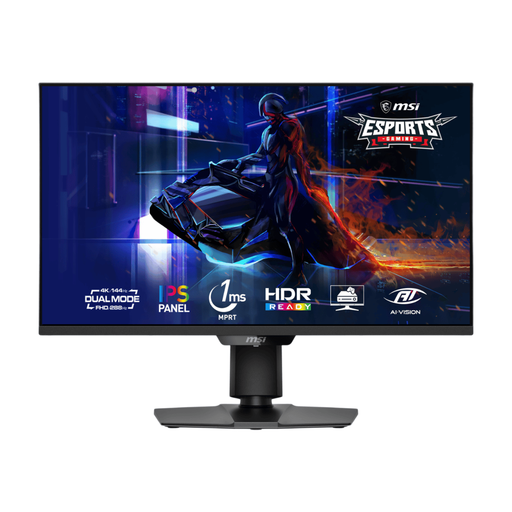
The 27-inch 4K format can suit a side-by-side desk if the pair’s colour settings and positioning meet your needs. The product title distinguishes its 144 Hz UHD mode from its 288 Hz Full HD mode; neither refresh-rate figure establishes colour accuracy or a match between two units.
Two units of the same exact model are a sensible starting point when you compare seams across screens, but they are not guaranteed to look identical. Match the colour preset, brightness, scaling and physical position of each display, and consider further calibration if the judgement is colour-critical.
It can only do so when the computer and full connection path support two independent displays at the required resolution. DisplayPort describes multi-stream transport through a hub or daisy-chained screens; check the host, dock, cables and monitor output rather than relying on the connector shape.
Arrange the displays in the operating system to match their positions on the desk, then check each screen’s native 3840 × 2160 resolution, chosen scaling and colour mode. Microsoft directs Windows users to Settings, System, Display for screen arrangement and resolution controls.
Yes. UK government energy-labelling guidance covers electronic displays; compare the energy information for each exact monitor model you are considering rather than judging it from screen size alone.