
24/7 Customer Support

Free returns

Same-day & Next-day Delivery

Quality Guaranteed

Unlock Your Welcome Offers: FREE Delivery | Up to 80% OFF | Free 30-day JoyPlus trial
Download the APP
Navigating the world of 4K Smart TVs can feel like wading through a swamp of technical jargon and marketing promises. It's easy to end up with a television that looks great on the shop floor but disappoints at home. As the Joybuy Product Recommendation Officer, my role is to help you sidestep the common pitfalls and focus on the features that genuinely matter for your viewing experience in the UK.
Before you invest, be aware of these frequent traps:
To ensure you get a 4K Smart TV that you'll love for years, focus on these three core areas.
The panel technology is the heart of your television, and the two dominant types offer different strengths.
For a truly next-generation gaming TV experience, a "Game Mode" is not enough. You need the right hardware. Look for a model with HDMI 2.1 ports. This standard enables three critical features:
A great picture deserves great sound. While a separate soundbar is always an option, many modern TVs come with impressive integrated audio. A Dolby Atmos TV can create a three-dimensional soundscape, making audio feel like it's coming from all around you.
Equally important is the smart platform. A system like Google TV provides a clean interface, access to a vast library of apps and useful features like built-in Chromecast and voice control, ensuring your "smart" TV is genuinely intelligent and easy to use.
We've matched some standout models to different user needs, helping you find a television that aligns with your lifestyle.
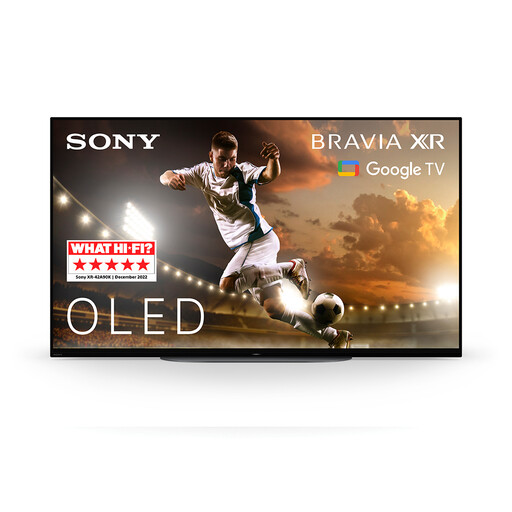
Why This Fits Their Persona: This user prioritises picture fidelity above all else. The OLED panel is perfect for cinematic movie nights in a controlled lighting environment, while the full suite of HDMI 2.1 features makes it an ideal companion for a PS5 or Xbox in a dedicated gaming setup or smaller living room.
It delivers on its promises with a true 120Hz panel for genuine high-frame-rate gaming and the infinite contrast of OLED for authentic HDR, not just a label on the box.
The OLED panel provides pixel-perfect contrast. Its Acoustic Surface Audio+ technology, where the screen itself is the speaker, creates uniquely immersive sound.
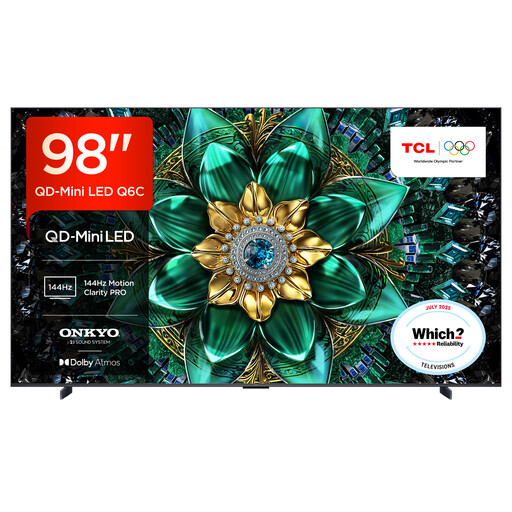
Why This Fits Their Persona: For this buyer, size is paramount. They want to replicate the cinema experience at home. This colossal large screen TV delivers an incredibly immersive picture that fills the field of view, backed by powerful audio and high-end picture technology.
It avoids the "HDR compatible" trap by using QD-Mini LED technology with precise local dimming, providing the high peak brightness and contrast needed for impactful HDR on a massive scale.
The 98-inch screen size offers an unmatched cinematic feel. It also features a native 144Hz refresh rate and an integrated ONKYO 2.1 Hi-Fi system with a subwoofer.
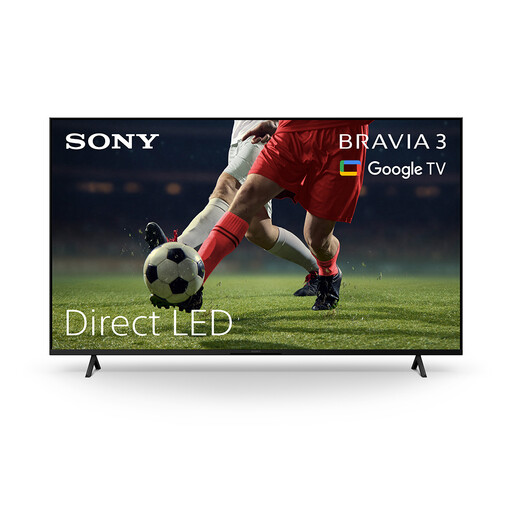
Why This Fits Their Persona: This user needs a reliable, high-quality television for the main living room that caters to everyone—from movie nights and casual gaming to streaming the latest series. The 65-inch size is a popular choice for UK homes, and the Google TV platform is intuitive for all family members.
It sidesteps the "dumb" smart TV trap by incorporating the polished and fully-featured Google TV operating system, ensuring access to all major UK apps and a smooth, responsive experience.
It offers a balanced package with support for both Dolby Vision and Dolby Atmos for a cinematic experience, plus features like Playstation Remote Play for added gaming versatility.
We have compiled a complete, real-time list of products that fully satisfy these strict selection criteria and UK safety regulations.
1. How long should a 4K Smart TV last in the UK? A modern 4K Smart TV should provide reliable service for at least five to seven years, and often longer. The lifespan is typically determined by the backlight on LED models or the organic compounds in OLED panels. You are more likely to want to upgrade for new technology (like 8K or future HDMI standards) before the television actually fails.
2. Is a QLED or OLED TV better for a bright UK living room? For a typical UK living room that gets a fair amount of daylight, a QLED TV (or a Mini LED model) is generally a more practical choice. Their ability to produce higher peak brightness helps to counteract reflections and ambient light, ensuring the picture remains vibrant and easy to see. OLEDs perform at their best in darker, more controlled environments where their superior contrast can be fully appreciated.
3. What is the real cost of running a large screen TV? The energy consumption of a TV is listed on its energy efficiency label, with ratings from A (most efficient) to G. While a large screen TV will naturally use more power than a smaller one, modern panels are far more efficient than older plasma or CCFL-backlit models. For example, a 65-inch G-rated TV running for four hours a day might add approximately ?5-?8 per month to your electricity bill, depending on your tariff. Choosing a model with a better energy rating can help reduce this running cost over the TV's lifetime.