
24/7 Customer Support

Free returns

Same-day & Next-day Delivery

Quality Guaranteed

Unlock Your Welcome Offers: FREE Delivery | Up to 80% OFF | Free 30-day JoyPlus trial
Download the APP
Navigating the world of 4K smart TVs can feel like a minefield of technical jargon and marketing promises. With so many features, screen technologies and sizes on offer, it is easy to feel overwhelmed or, worse, make a purchase you later regret. Many UK shoppers find themselves disappointed when a new television fails to live up to the hype, often due to a few common but easily avoidable pitfalls.
As a Joybuy Product Recommendation Officer, my role is to help you sidestep these issues. We will look past the flashy labels and focus on the practical specifications that genuinely impact your viewing experience. Before you start looking at smart TV deals UK, let's break down the three most common traps that catch buyers out.
smart TV for gaming, a native 60Hz panel (which is what many of these TVs have) can result in noticeable motion blur, regardless of the marketing number.To ensure you get a television that performs well for years to come, focus on these three non-negotiable areas.
The type of screen panel is the single biggest factor in picture quality.
QLED smart TV is an LED TV with an added layer of "quantum dots." These tiny particles react to light to produce a much wider and more accurate range of colours. This results in a more vibrant, lifelike picture with better brightness, making it a significant step up for film lovers.The smart operating system dictates your entire user experience. The main platforms you will encounter in the UK are:
Google TV pulls recommendations from all your streaming services into one home screen. It also has Google Assistant built-in for voice commands and Chromecast for easy casting from your phone.For anyone who enjoys gaming or watching fast-moving sports, the panel's native refresh rate is crucial. A 60Hz panel refreshes the image 60 times per second, which is fine for most TV shows and films. However, a 120Hz or 144Hz panel provides much smoother motion, which is essential for a competitive smart TV for gaming. Look for features like Variable Refresh Rate (VRR) and Auto Low Latency Mode (ALLM), which are designed to eliminate screen tearing and reduce input lag.
For audio, look for support for formats like Dolby Atmos. A TV with Dolby Atmos can create a more immersive, three-dimensional soundscape, making you feel like you are in the middle of the action.
Instead of a generic list, we have matched some standout models to the people they are designed for.
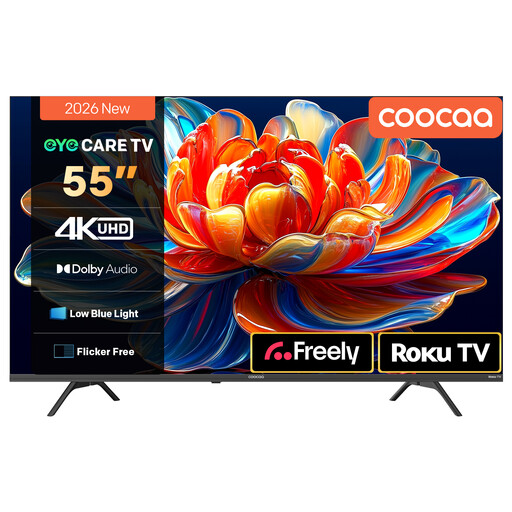
Why This Fits Their Persona: This is an excellent choice for families or households wanting a large, capable 4K screen for the main living room without a premium price tag. It is ideal for daily streaming of services like BBC iPlayer, Netflix and NOW TV.
It sidesteps the sluggish OS pitfall by using the Roku TV platform, which is widely recognised for being fast, simple and responsive even on accessibly priced models.
Provides a large 55 inch smart TV screen with a user-friendly interface and Dolby Audio support, offering great value for its size and features.
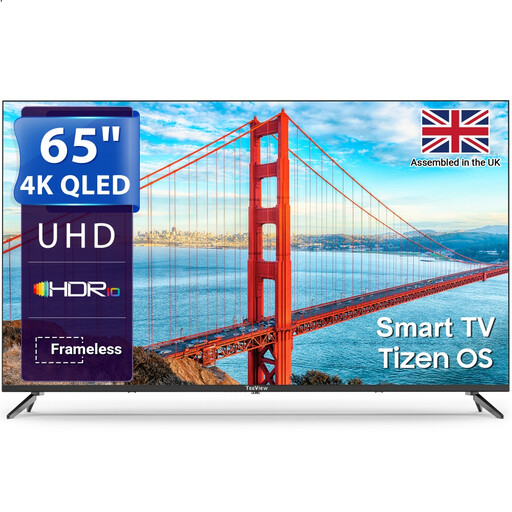
Why This Fits Their Persona: For those seeking a more cinematic experience at home. The large screen and superior colour technology make it perfect for movie nights and binge-watching the latest 4K series.
The QLED panel delivers a wider colour gamut and higher brightness than standard LED TVs, directly countering the "HDR illusion" by providing the hardware needed for a genuinely vibrant picture.
Offers premium QLED picture quality on a large 65 inch 4K TV screen, combined with the powerful and popular Tizen smart OS for a comprehensive entertainment hub.
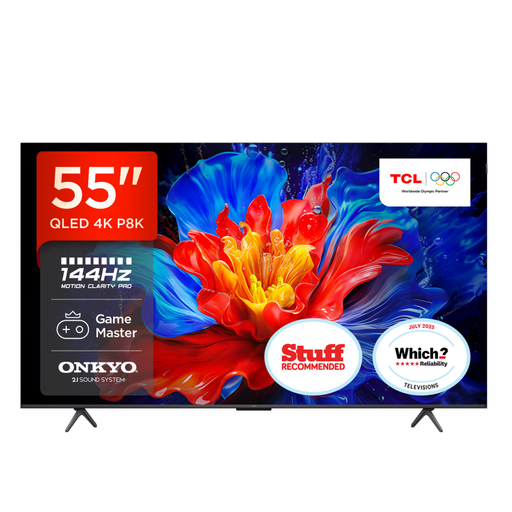
Why This Fits Their Persona: This model is built specifically for next-gen console and PC gamers who require exceptionally smooth, lag-free performance to maintain a competitive edge.
It demolishes the "misleading motion rate" trap by offering a true native 120Hz panel with 144Hz VRR and a dedicated Game Master Pro mode, providing verifiable high-performance specs.
A purpose-built smart TV for gaming with four HDMI 2.1 ports, FreeSync Premium and an integrated Onkyo 2.1 sound system for immersive audio straight out of the box.
We have compiled a complete, real-time list of products that fully satisfy these strict selection criteria and UK safety regulations.
With typical use, you can expect a modern 4K smart TV to last between five and seven years. The lifespan is primarily determined by the backlight. While the smart features might feel dated sooner as technology evolves, the panel itself should provide a quality picture for many years.
It depends on what you want to watch. For streaming services like Netflix, Prime Video or Disney+, you only need a stable Wi-Fi connection. However, if you want to watch live Freeview channels (like BBC, ITV, Channel 4), you will still need an aerial connected to the TV. Some newer TVs come with services like 'Freely' built-in, which can stream these live channels over Wi-Fi, removing the need for an aerial.
The main difference you will notice is in the colour. A standard 4K LED TV produces a good picture, but a QLED TV uses a layer of quantum dots to create a significantly wider and more accurate spectrum of colours. In practice, this means reds will look richer, greens more vibrant and the overall image will appear more lifelike and closer to what you would see in the real world.