Repeat-meal stock-up buyers
If pasta appears regularly in household meals, several 500g packs can be useful—but only if the quantity and shapes match what the household will cook.


When buying several 500g pasta packs, start with the shapes your household makes regularly and choose a quantity you can store and use. Check the current pack for ingredients, allergens, cooking instructions and storage guidance; a familiar shape is not a substitute for a specifically labelled free-from product when that is what you need.
If pasta appears regularly in household meals, several 500g packs can be useful—but only if the quantity and shapes match what the household will cook.
These consumers plan around dishes such as pasta salads, spaghetti with smooth sauces and pasta bakes. Tesco, Sainsbury's and M&S describe different shapes for these uses.
These consumers need to check ingredients and allergen declarations before stocking up. The Food Standards Agency identifies cereals containing gluten as an allergen relevant to pasta.
Decide how many packs fit your usual meals, then check shape, dietary suitability and storage before committing to multiples.
| Concern | What to check | Who this matters to |
|---|---|---|
| Pack quantity | Count the 500g packs in a bundle and consider how often you cook pasta. | If pasta is a frequent household meal, I want enough packs for the meals ahead without buying more than I will use. Roughly 31% of consumers would put a workable stock-up quantity first. |
| Shape for planned meals | Consider fusilli for hot or cold dishes, spaghetti for smooth sauces, or penne for bakes and ragù, as described by Tesco, Sainsbury's and M&S. | When my regular meals call for a particular shape, a cupboard full of another shape is less useful. About 31% of consumers would make meal fit their primary concern. |
| Ingredients and allergens | Read the current pack's ingredient and allergen declaration; look for a specifically labelled free-from product where required. | If I need to avoid gluten or another allergen, suitability has to be clear before I buy several packs. Around 23% of consumers would prioritise that check. |
| Storage and dates | Check the pack's storage instructions and best-before date, and make room for the quantity purchased. | With limited cupboard space or several packs already at home, I need to know where the new packs will go and which to use first. Approximately 15% of consumers would put storage and rotation first. |
A shape chosen for spaghetti dishes may not fit the pasta salads or bakes you make regularly. Buying several packs makes that mismatch harder to work around.
Choose the shape used most often, or split the quantity between shapes if your regular meals call for both.
Standard durum-wheat pasta is not interchangeable with a specifically labelled gluten-free product. Allergen information also needs checking for the particular pack.
Read the current ingredient and allergen declaration before buying multiples; choose a labelled free-from product if required.
According to GOV.UK, a best-before date concerns quality rather than serving the same purpose as a use-by date. Storage instructions still matter when packs will remain in the cupboard.
Check dates when buying several packs, follow their storage instructions and place earlier-dated packs where you will use them first.
Tesco lists 500g dried-pasta shapes including fusilli and spaghetti.
Sainsbury's lists 500g everyday pasta alongside wholewheat and Free From formats.
Barilla makes branded dried pasta in 500g formats, including spaghetti.
M&S describes 500g spaghetti and penne for distinct meal uses, including pasta bakes and ragù with penne.
Dolmio is a pasta-sauce brand to consider when planning meals, not a comparable 500g dried-pasta range here.
These selections cover 500g pasta for repeat spaghetti and fusilli meals, plus lasagne sheets for planned bakes. Check the bundle size against the meals you expect to make.
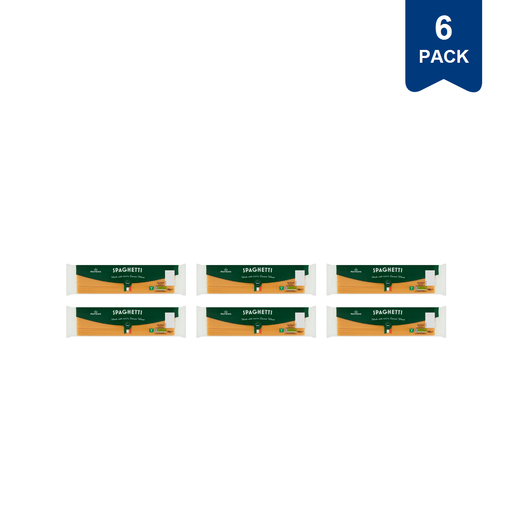 Image unavailable
For households planning several spaghetti meals. The bundle contains six 500g packs; check the current label for ingredients, allergens and cooking instructions.
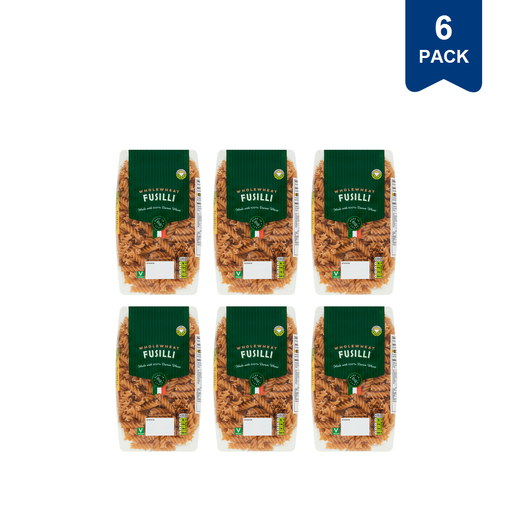 Image unavailable
For repeat meals where you want wholewheat fusilli. This is a bundle of six 500g packs; wholewheat does not mean gluten-free, so check the current label if dietary suitability matters.
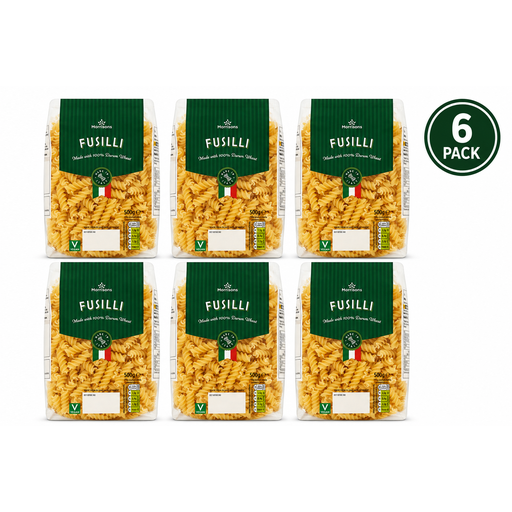 Image unavailable
For households planning recurring fusilli dishes, including pasta salads. The bundle contains six 500g packs; confirm the ingredients and allergen declaration on the current pack.
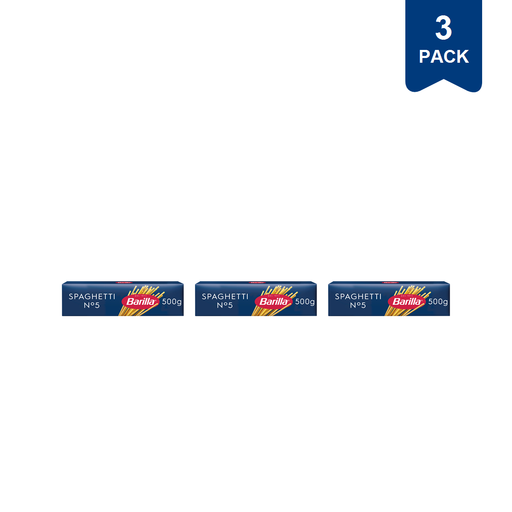 Image unavailable
For a smaller spaghetti stock-up than the six-pack selections above. This bundle contains three 500g packs; follow the instructions and allergen information on the current product.
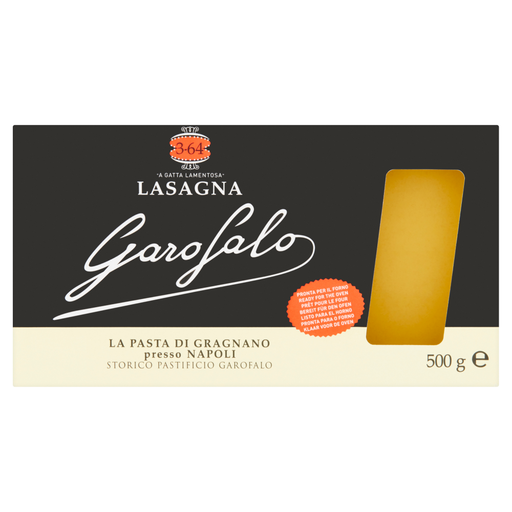 Image unavailable
For a planned lasagne rather than everyday spaghetti or fusilli meals. These are 500g lasagne sheets; check the pack's cooking and allergen information before use.
No. GOV.UK distinguishes best-before dates, which concern quality, from use-by dates, which concern food safety. Follow the storage instructions on the pasta pack and check it before use.
Follow each pack's storage instructions; the cited Tesco and Sainsbury's dried-pasta products specify a cool, dry place. Put earlier-dated packs where you will reach them first.
No. Serving guidance can differ by product, and the amount you use depends on the meal. Check the guidance on the particular pack when planning how many packs to buy.
Not when a gluten-free product is required. Standard examples contain durum wheat, and the Food Standards Agency identifies cereals containing gluten as an allergen relevant to pasta. Choose a specifically labelled product and check its current ingredient and allergen declaration.