Choose standard pasta for a familiar carbohydrate component in everyday cycling meals, or wholewheat pasta if wholegrains and fibre are priorities in your usual diet. If you need to avoid gluten, choose a product specifically labelled gluten-free rather than assuming wholewheat pasta qualifies. Pasta is one part of a meal: consider what else you will eat, when you plan to ride and which meals you already tolerate well.
Who these choices suit
Everyday training-meal cyclists
Cyclists looking for a 500g pantry pack to use as the carbohydrate component of meals around ordinary training, rather than as food to carry on a ride. British Cycling includes pasta among the carbohydrate foods discussed in its pre-event nutrition advice.
Wholegrain-focused riders
Riders who put wholegrain foods first in their routine meals and are happy to choose a wholewheat pasta. British Cycling discusses wholegrain pasta as one way to include wholegrains in training meals.
Gluten- or egg-avoidance shoppers
Cyclists who need to check a specific gluten-free or egg-free label instead of relying on a pasta’s shape or appearance. Sainsbury’s lists a 500g maize-and-rice spaghetti labelled both gluten-free and egg-free.
What matters when choosing
| Concern |
What to check |
Who this matters to |
| Everyday meal base |
Read the carbohydrate declaration and its dry or cooked serving basis; check the pack’s cooking instructions. |
If I’m planning ordinary meals around rides, I want to know how pasta fits alongside the rest of what I eat. About 40% of consumers put this meal-planning need first. |
| Wholegrain and fibre |
Check for wholewheat in the ingredients and compare fibre figures on the same serving basis. |
I’d choose a wholewheat pack when wholegrains matter more to my usual meals than sticking with familiar standard pasta; this is the primary need for about 30% of consumers. |
| Gluten- or egg-free suitability |
Look for the relevant on-pack claim, then read the current ingredients and allergen information. |
When I must avoid gluten or egg, a clear product label matters more than pasta shape. For about 20% of consumers, confirming that suitability comes first. |
| Batch-cooking convenience |
Check the pack’s stated servings and cooking instructions against the meals you plan to prepare. |
I may want one pack to cover several planned meals without assuming every 500g product gives the same number of portions; about 10% of consumers make this their main concern. |
Mistakes to avoid
-
Treating pasta as a complete cycling meal
Pasta can provide a carbohydrate component, but the rest of the meal and its timing still matter. British Cycling’s nutrition advice discusses pasta within a wider pattern of eating.
Plan what you will eat with it, and try changes to meal timing during ordinary training rather than immediately before an important ride.
-
Comparing cooked and dry figures directly
A cooked serving and a weight of dry pasta are different measurement bases, so their nutrition figures should not be compared as though the weights were equivalent.
Use dry figures against dry figures, or compare stated cooked servings with cooked servings, before deciding how much pasta to prepare.
-
Assuming wholewheat means gluten-free
Wholewheat pasta contains wheat. An alternative shape or a higher fibre figure does not establish that a product meets a gluten-free requirement.
If gluten or egg avoidance is necessary, check the specific claim and allergen information on the current pack.
Brands for reference
Barilla
Barilla’s 500g spaghetti is a conventional durum-wheat option for shoppers who want that pasta shape in everyday meals.
- The Sainsbury’s listing gives a nine-minute cooking instruction for this spaghetti.
- It contains wheat; check the current pack if other allergens also affect your choice.
Sainsbury’s
Sainsbury’s lists distinct 500g standard, wholewheat and Free From spaghetti products, so the relevant choice depends on ingredients and dietary requirements.
- Its Free From spaghetti is made from maize and rice flours and labelled gluten-free and egg-free.
- Its standard and wholewheat spaghetti are wheat-based; do not substitute either for a labelled gluten-free product.
Tesco
Tesco’s 500g wholewheat fusilli offers a different shape for shoppers choosing wholewheat pasta.
- Tesco labels this wholewheat fusilli a source of fibre.
- It is made from wholewheat semolina, so it is not a gluten-free choice.
500g pasta selections on Joybuy
These 500g standard pasta and wholewheat pasta packs suit shoppers planning everyday cycling-related meals. Choose between them by pasta shape, wholewheat preference and the information on the current pack.
 Image unavailable
Morrisons Fusilli 500g
A fusilli option for everyday pasta meals. The pack contains 500g; check its serving and nutrition information on the same dry or cooked basis as any other pasta you compare it with.
View on Joybuy
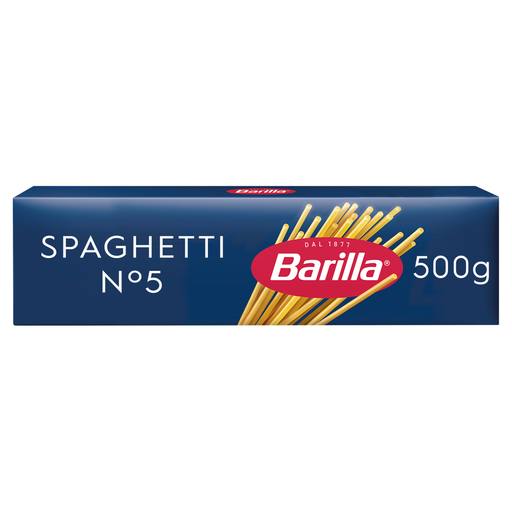 Image unavailable
Barilla Spaghetti 500g
A conventional spaghetti option for everyday meals. The Sainsbury’s listing for this 500g product gives a nine-minute cooking instruction. It contains wheat, so check the current pack if allergen information affects your choice.
View on Joybuy
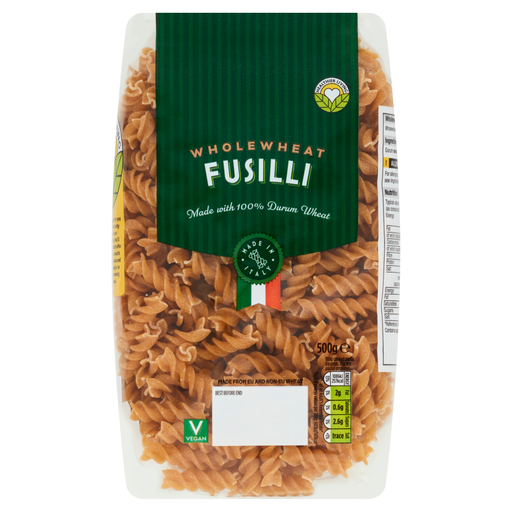 Image unavailable
Morrisons Wholewheat Fusilli 500g
A wholewheat fusilli option when that ingredient is a priority in routine meals. It contains wheat and is not a gluten-free substitute; check the pack’s serving information when planning portions.
View on Joybuy
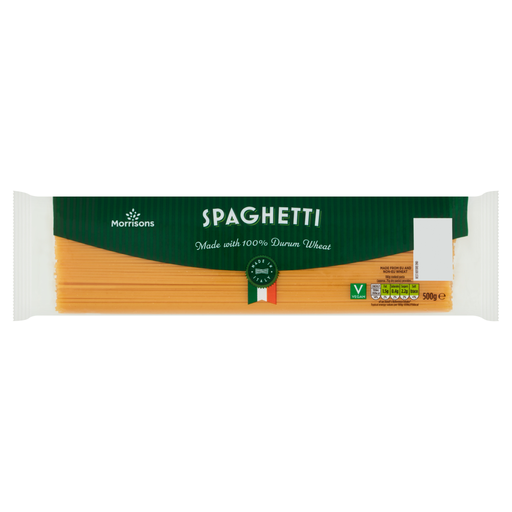 Image unavailable
Morrisons Spaghetti 500g
A standard spaghetti shape for ordinary pasta meals. This is a 500g wheat-based pack, not a gluten-free choice; compare nutrition figures using matching dry or cooked serving bases.
View on Joybuy
 Image unavailable
Napolina Spaghetti 500g
A 500g spaghetti pack for everyday meals. If cooking time or the number of portions matters to your plans, check those details on the pack; it contains wheat.
View on Joybuy
Common questions
Is a 500g pasta pack a complete cycling-nutrition solution?
No. Pasta can be the carbohydrate component of a meal, but it does not replace decisions about the rest of the meal, fluids or timing. British Cycling discusses pasta as part of wider eating choices around cycling.
Should I choose wholewheat pasta for every ride-related meal?
Not necessarily. Choose wholewheat when it suits your usual meals and you want a wholegrain option. If you are changing what or when you eat before a ride, try that change during ordinary training first.
How do I check whether a pasta is gluten-free?
Look for a specific gluten-free claim and read the current ingredient and allergen information on the pack. Standard and wholewheat pasta made from wheat are not substitutes for a product labelled gluten-free.
How many meals will a 500g pack make?
That depends on the portion you prepare. Check each pack’s serving guidance and whether any stated nutrition values refer to dry pasta or a cooked serving; use the same basis when comparing products.
Should I check the physical pack if I have an allergy?
Yes. Read the current pack’s ingredients and allergen declaration before use, even if you have seen the product information online. This matters particularly when gluten or egg avoidance determines which pasta you can choose.


