Protein-first pasta shoppers
You want to know how much protein the pasta itself contributes. A comparable per-100g figure matters more to you than getting an exact 500g pack.


If the pasta itself needs to contribute more protein, compare figures on the same per-100g basis and consider a smaller pack: Marks & Spencer lists 22.0g per 100g for its 350g High Protein pasta, while Barilla lists 20g per 100g for its 400g Protein+ Fusilli. If a 500g pack matters more, standard pasta can form the base of the meal, with protein-containing ingredients planned separately. Do not compare a cooked-pasta figure directly with one stated for dry pasta.
You want to know how much protein the pasta itself contributes. A comparable per-100g figure matters more to you than getting an exact 500g pack.
You plan meals around a 500g pack and are willing to choose the other protein-containing ingredients separately, rather than treating standard pasta as protein-enriched pasta.
You need to read the ingredients and allergen statement before choosing a protein-enriched pasta, particularly where wheat, gluten or stated trace warnings matter to you.
Decide whether protein from the pasta, an exact 500g pack or ingredient suitability takes priority. Then compare nutrition figures only where their dry or cooked basis matches.
| Concern | What to check | Who this matters to |
|---|---|---|
| Protein from the pasta | Compare protein per 100g on the same dry or cooked basis; check the pack weight too. | If I want the pasta itself to contribute protein, I need a figure I can compare before accepting a smaller pack. About 42% of consumers put protein from the pasta first. |
| Exact 500g pack | Confirm net weight and read the pack’s serving guidance for your meal plan. | When I plan meals around a full 500g pack, changing to a smaller format affects what I prepare. For about 33% of consumers, pack size is the primary need. |
| Ingredient suitability | Read the current ingredients and allergen statement, including any trace warnings. | If I must avoid a particular ingredient, a protein claim cannot tell me whether the pasta is suitable. Ingredient compatibility comes first for about 25% of consumers. |
Marks & Spencer’s listed High Protein Spaghetti and Fusilli are 350g packs; Barilla Protein+ Fusilli is a 400g pack. Either size changes a plan built around 500g.
Check the net weight before choosing between protein-enriched pasta and a standard 500g pack with other protein-containing ingredients.
Sainsbury’s gives protein for its standard Fusilli per 100g cooked, while the cited Marks & Spencer and Barilla high-protein figures are per 100g product. Water absorbed during cooking changes the per-100g figure.
Check how each label defines 100g before drawing a comparison.
The listed Marks & Spencer High Protein pastas contain durum wheat semolina, and Sainsbury’s 500g High Protein Fusilli listing specifies added wheat gluten. Barilla Protein+ Fusilli also carries a possible-traces warning for soya and mustard.
Read the current pack’s complete ingredients and allergen statement if an exclusion matters to you.
Dolmio lists 1.3g protein per 100g for its Low Fat Bolognese Sauce. The protein contribution of a pasta meal depends on its other ingredients as well as the pasta and sauce.
Consider the ingredients of the whole dish rather than judging its protein content from the sauce name.
Marks & Spencer lists both standard 500g pasta and separate 350g High Protein shapes.
Barilla lists a 500g standard Spaghetti N°5 and a separate 400g Protein+ Fusilli.
Sainsbury’s lists standard Fusilli in a 500g pack and a separate 500g High Protein Fusilli made with added wheat gluten.
Dolmio is relevant here as a sauce choice for a pasta meal, not as a dried-pasta alternative.
These are standard 500g pasta formats for meals in which you plan the other protein-containing ingredients separately. Choose a shape that fits the dish, then use the current pack label for nutrition and allergen decisions.
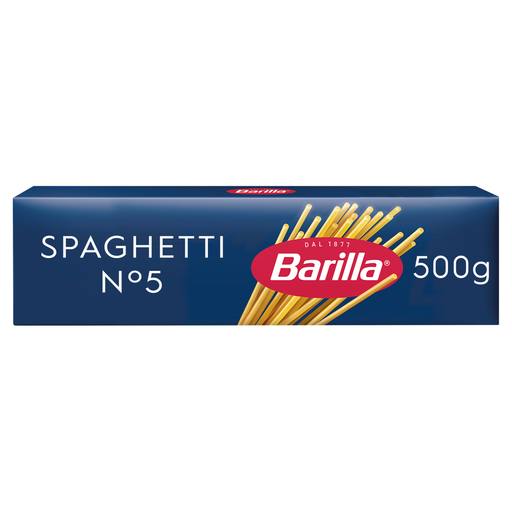 No image available
For a spaghetti dish planned around a 500g pack, with other protein-containing ingredients chosen separately. This is standard spaghetti; check the current pack’s nutrition basis and allergen statement before comparing it with another pasta.
 No image available
Another 500g spaghetti format for a meal whose other ingredients are selected separately. If protein from the pasta is important, read the current pack’s per-100g declaration rather than treating standard spaghetti as protein-enriched.
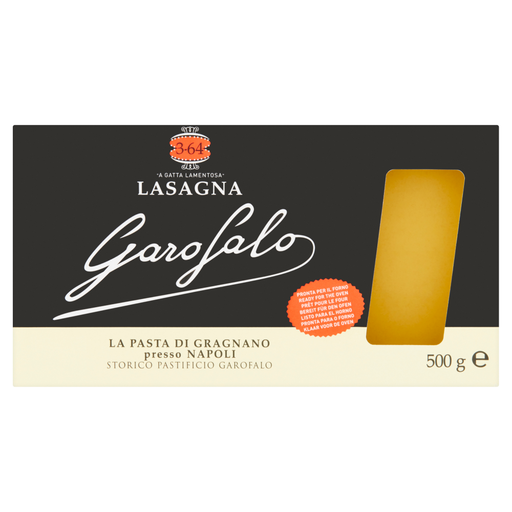 No image available
Choose these 500g lasagne sheets when you are planning a lasagne rather than an everyday spaghetti or fusilli dish. Check the current pack’s nutrition basis and allergen statement when selecting the remaining ingredients.
 No image available
A 500g fusilli option for meals where other ingredients provide the additional protein you want. When assessing its protein figure, check whether the current label refers to cooked pasta before comparing it with a dry-pasta declaration.
Compare them only when the stated basis matches. The cited Barilla and Marks & Spencer high-protein figures are per 100g product, whereas Sainsbury’s standard Fusilli gives a figure per 100g cooked; absorbed water makes those figures unsuitable for a direct comparison.
No. Marks & Spencer’s listed High Protein Spaghetti and Fusilli contain durum wheat semolina, and Sainsbury’s 500g High Protein Fusilli listing specifies added wheat gluten. Read the current pack’s ingredients and allergen statement if gluten or another ingredient matters to you.
Use the particular pack’s guidance alongside the portions you intend to serve. Sainsbury’s states that its standard Fusilli 500g pack contains five servings and gives a 90g uncooked-per-person cooking guide; that does not set the portion size for every meal.
Use it to narrow your options, then read the current package’s complete ingredients and allergen statement before using the pasta. This is particularly important when considering a product with wheat or a stated trace warning.