Texture-sensitive pasta eaters
If visible vegetable pieces are the obstacle, look for a sauce described as smooth or a sieved passata. Check the ingredients as well: a smooth texture does not remove flavours the eater dislikes.


Choose a smooth 500g ready-made tomato sauce when its listed flavours are familiar and quick preparation matters. A smooth hidden-vegetable sauce is an option if the eater accepts its ingredients; plain passata gives you control over added flavours but needs preparation before it becomes a finished pasta sauce.
If visible vegetable pieces are the obstacle, look for a sauce described as smooth or a sieved passata. Check the ingredients as well: a smooth texture does not remove flavours the eater dislikes.
A ready-to-heat 500g sauce reduces the preparation needed for a pasta meal. Check the pack’s serving guidance, heating directions and instructions for storing any sauce left after opening.
Plain passata lets you choose which ingredients to add to a smooth tomato base. It takes more preparation than a finished, seasoned pasta sauce.
Decide whether the main obstacle is texture, a particular ingredient or the time available to cook. Then compare the current labels of sauces the eater is likely to accept.
Choose when: The eater accepts its listed seasonings and you want a sauce that needs little preparation.
Trade-off: Its flavour is already set, leaving less room to omit a disliked ingredient.
Choose when: Visible vegetable pieces are the concern, but the eater accepts the sauce’s tomato and vegetable flavours.
Trade-off: Smoothness does not make the vegetables, garlic or herbs flavour-neutral.
Choose when: You want a smooth tomato base and to decide which seasonings go into the meal.
Trade-off: It needs further preparation to become a finished pasta sauce.
| Concern | What to check | Who this matters to |
|---|---|---|
| Texture and familiar flavour | Look for smooth or sieved texture wording, then read the ingredients for disliked vegetables or seasonings. | When visible pieces can put someone off a meal, a smooth sauce with acceptable flavours comes first; about 39% of consumers would make texture and familiar flavour their primary concern. |
| Ingredient control | Check whether you are buying a finished sauce or passata that you will need to prepare and season. | If garlic, herbs or other additions are unwelcome, being able to build the sauce gradually matters more than convenience; about 23% of consumers would put ingredient control first. |
| Nutrition and dietary labels | Compare sugars and salt per 100g on similar sauces, and check the current pack’s ingredients and allergen information. | A household comparing labels or avoiding a particular ingredient needs to know what is in the jar before serving it; label checks would be the main concern for about 23% of consumers. |
| Using the 500g jar | Check the serving guidance and the pack’s refrigeration and use-after-opening instructions. | When one jar must cover more than one meal, the time allowed after opening affects the plan; about 15% of consumers would prioritise fitting the jar into their household routine. |
Sainsbury’s smooth hidden-vegetable sauce lists red pepper, carrots and onions, and its flavourings include garlic, herbs and pepper. A smooth texture addresses visible pieces, not every possible flavour objection.
Use the texture description to narrow the choice, then check the current ingredient list. Try a small amount in a meal before buying several jars.
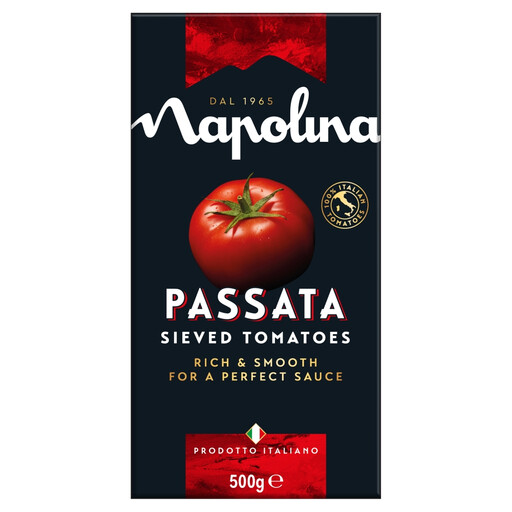
Napolina describes passata as smooth, sieved tomato. It offers control over additions but is a base rather than a seasoned dinner sauce.
Choose it when you have time to prepare the sauce and know which additions the eater accepts. Otherwise, consider a ready-made sauce with a familiar ingredient list.
Making the finished meal you want may require additional ingredients.
Opened-jar instructions differ: the cited ASDA tomato sauces specify refrigeration and use within seven days, while Tesco Meat Feast specifies refrigeration and use within three days.
Plan any second meal around the instruction on the jar you actually buy, and follow its storage directions after opening.
Ingredients and product information can change. This matters especially when a meal must avoid a specific allergen or ingredient.
Read the current physical pack before cooking or serving rather than relying solely on an earlier online listing.
Its 500g range includes seasoned tomato sauces and a smooth hidden-vegetable option.
Its 500g Tomato & Garlic Pasta Sauce and Tomato & Basil Sauce for Meatballs are ready-made options.
Its 500g Classic Tomato Everything Sauce is intended for several dishes, not just pasta.
Its 500g passata is a smooth, sieved-tomato base for a sauce you prepare yourself.
Its 500g Meat Feast Pasta Sauce is a meat-containing choice for households that accept bacon-and-ham flavour.
Its Original Sauce for Bolognese offers a familiar seasoned-sauce reference, but the identified jar is 450g rather than 500g.
This 500g passata is for a meal where you want to choose the seasonings yourself; it is a tomato base, not a ready-made or hidden-vegetable pasta sauce.
 No image available
For a pasta meal where you want to control the seasoning, use this 500g passata as a tomato base rather than a finished sauce. Allow time for preparation and check the current pack’s ingredient and allergen information. The product information calls for refrigeration and use within two days after opening.
Start with a product described as smooth, then check its ingredients for disliked flavours. Sainsbury’s 500g hidden-vegetable sauce is described as smooth but contains vegetables and seasonings; Napolina 500g passata is a sieved-tomato base you can season yourself.
No. Sainsbury’s No Added Sugar Tomato & Hidden Veg Pasta Sauce lists 3.9g sugars per 100g. If sugars matter to your comparison, read the sugars figure on the current nutrition label rather than relying on the product name alone.
Compare the per-100g figures for similar sauces, then consider the amount of sauce going into each serving. The NHS explains that nutrition information is given per 100g or 100ml and sometimes per portion; the finished meal may also contain ingredients you add yourself.
Follow the instruction on that jar rather than using one period for every sauce. The cited ASDA tomato sauces specify refrigeration and use within seven days, while Tesco Meat Feast specifies three days after opening; M&S Classic Tomato Everything Sauce gives a three-day instruction for an airtight refrigerated container.
Use the current physical pack before serving, particularly if an allergy or intolerance is involved. The Food Standards Agency says food businesses must provide allergen information, while ingredients and product information shown in listings can change.