Low-maintenance second-home stockers
If you usually make a quick meal after arriving, a familiar dried shape can work with the sauces already in the cupboard. Check the pack’s storage instructions before leaving it between visits.


Choose a 500g shape that fits the meals you actually make at the second home: spaghetti for straightforward sauce-based dishes, or short pasta if bakes and thicker sauces are more likely. Keep wholewheat pasta if its flavour and texture suit the household, but do not treat it as a gluten-free alternative. Before leaving any pack in the cupboard, check its serving guidance, storage instructions, best-before date and allergen information.
If you usually make a quick meal after arriving, a familiar dried shape can work with the sauces already in the cupboard. Check the pack’s storage instructions before leaving it between visits.
If meals range from sauces to pasta bakes, shape matters more than keeping several similar packs. Sainsbury’s describes its hollow rigatoni and macaroni as suitable for baking, while Barilla describes its spiral fusilli as a sauce-catching shape.
Wholewheat pasta is an option when the people using the property will enjoy it regularly. The NHS names wholewheat pasta as a wholegrain choice; it remains wheat-containing pasta, not a substitute for a gluten-free product.
Start with the meals you are likely to cook, then check whether the pack suits the people who will eat it and the cupboard where it will be stored.
| Concern | What to check | Who this matters to |
|---|---|---|
| Everyday meals | Check the shape, serving guidance and cooking instructions. For storage between visits, follow the pack wording and check its best-before date. | When I arrive with only a basic sauce to hand, I want a familiar pack that makes a straightforward meal; about 40% of consumers put low-effort everyday meals first. |
| Sauces and bakes | Match the shape to planned dishes: consider spaghetti for simple sauce-based meals, or hollow and spiral shapes when making bakes or using sauces they can hold. | If the cupboard needs to serve both sauced dishes and pasta bakes, I care which shape I keep there; roughly 30% of consumers prioritise that meal flexibility. |
| Wholegrain choice | Look for wholewheat on the pack. If comparing fibre figures, use the same basis on each nutrition label, such as per 100g cooked. | I would rather stock wholewheat pasta because the household will use it regularly; about 20% of consumers make that wholegrain preference their main concern. |
| Allergen suitability | Read the current ingredient list and allergen statements, including any precautionary wording. Choose an explicitly gluten-free product if gluten avoidance is required. | When someone eating at the property must avoid particular ingredients, I need to check the exact pack rather than assume a familiar shape is suitable; around 10% of consumers put allergen suitability first. |
Sainsbury’s labels its examined 500g spaghetti as five servings; Tesco Groceries lists approximately six 80g servings for the examined Barilla spaghetti. Those pack guides are not interchangeable.
Check the serving guidance on the pasta you buy, then consider how many people will be eating and whether pasta is the main dish.
A pack kept for pasta bakes has a different job from one kept for simple spaghetti dishes. Sainsbury’s describes its rigatoni and macaroni as suitable for baking, while Barilla describes fusilli as a shape that catches sauce.
If cupboard space allows and you regularly make both kinds of meal, consider keeping one long shape and one short shape rather than several similar packs.
Wholewheat pasta contains wheat. The Food Standards Agency identifies wheat as a cereal containing gluten, so the two labels address different buying needs.
For someone who needs gluten-free food, choose a product explicitly labelled gluten-free and read its current ingredient and allergen information.
The examined Sainsbury’s and Barilla dried-pasta packs specify cool, dry storage. A cupboard that becomes damp while the property is empty may not meet that instruction.
Check the storage wording and best-before date before leaving a pack, and inspect stored food when you return after a long absence.
A branded dried-pasta option illustrated here by 500g spaghetti and fusilli.
Own-brand 500g examples include standard spaghetti, wholewheat penne, rigatoni and macaroni for different meal plans.
A supermarket option with examined 500g dried-spaghetti listings under Hearty Food Co. and Barilla.
A pasta range with different shapes and options, including gluten-free products listed by Marks & Spencer.
These 500g packs cover simple spaghetti meals, wholewheat fusilli, lasagne and another fusilli option. Choose by the dishes you expect to make at the property, then check the current pack before leaving it in storage.
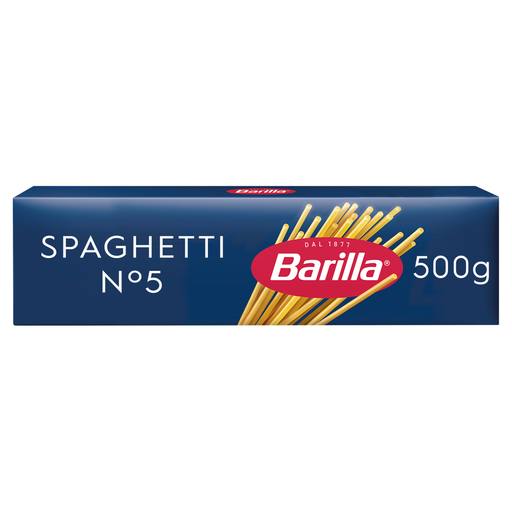 Image unavailable
A 500g spaghetti pack to consider when simple sauce-based meals are the usual plan. Check the current pack’s cooking, storage and allergen instructions before stocking it for visits.
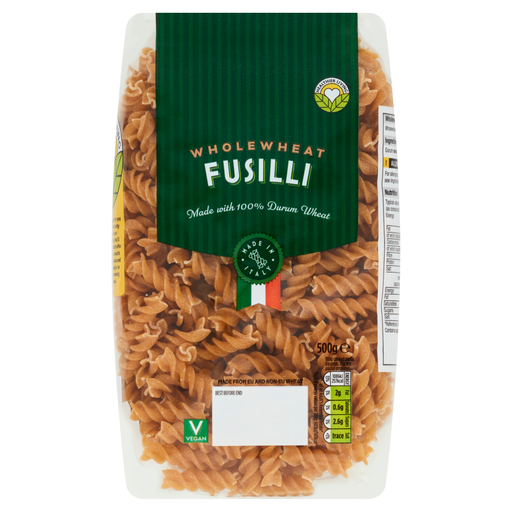 Image unavailable
A 500g wholewheat fusilli option if the household wants this shape and will eat wholewheat pasta regularly. Wholewheat contains wheat, so choose a separately labelled gluten-free product if that is required.
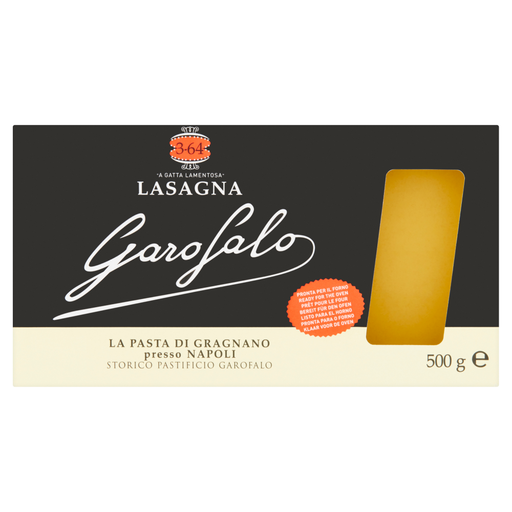 Image unavailable
Choose these 500g lasagne sheets when lasagne is a realistic meal plan, rather than as a general replacement for spaghetti or short pasta. Check the pack for preparation instructions, servings and allergens.
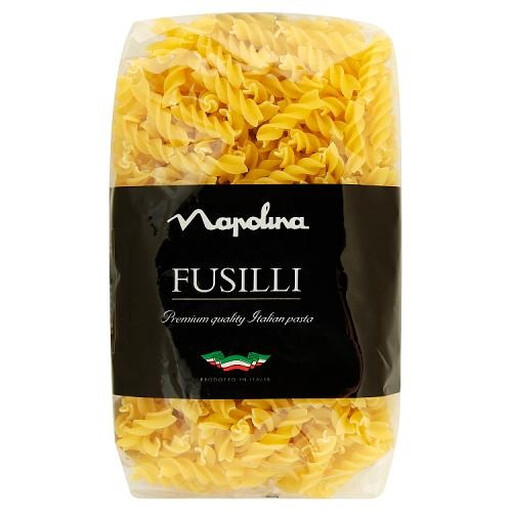 Image unavailable
A 500g fusilli pack for a cupboard where a short shape is more useful than spaghetti. Read the actual pack for its cooking time, servings, unopened-pack storage wording and allergen information before planning meals around it.
Check the individual pack: Sainsbury’s labels its examined standard spaghetti as five servings, while Tesco Groceries lists approximately six 80g servings for the examined Barilla spaghetti. The number of meals you make from either pack also depends on how you serve it.
Consider a short shape if bakes are part of your second-home meal plan. Sainsbury’s describes its examined macaroni and rigatoni as suitable for baking; lasagne sheets are a separate choice when you specifically plan to make lasagne.
No: ordinary wholewheat pasta contains wheat. The examined Sainsbury’s wholewheat penne lists wholewheat semolina, and the Food Standards Agency identifies wheat as a cereal containing gluten. If gluten avoidance is required, select an explicitly gluten-free product and check its current label.
Follow the instructions on the pack you buy. The examined Sainsbury’s and Barilla dried-pasta packs specify a cool, dry place; check that the second-home cupboard meets the wording, rotate packs by their best-before dates and inspect stored food when you return.