
24/7 Customer Support

Free returns

Same-day & Next-day Delivery

Quality Guaranteed

Unlock Your Welcome Offers: FREE Delivery | Up to 80% OFF | Free 30-day JoyPlus trial
Download the APP
Buying one of the many 5G smartphones available in the UK can be confusing. A low price may hide limited network bands, while an impressive camera number may not translate into better everyday photos. Foldable designs, AI tools and large batteries also come with practical compromises that are easy to overlook.
Before choosing a phone, focus on the specifications that affect daily use rather than relying on headline features.
“Unlocked” means the phone is not restricted to one network, but it does not guarantee identical compatibility with every UK provider. Check the supported 4G and 5G bands, especially if you use a smaller network or travel frequently.
A SIM-free smartphone should also support the SIM format you need. Dual SIM phones may use two Nano SIMs, a Nano SIM and eSIM or two eSIMs. Confirm this before ordering if you plan to separate personal and work numbers.
A 200MP or 50MP camera may provide detailed images, but image quality also depends on sensor size, optical image stabilisation, aperture, image processing and video support. A phone with a high-resolution camera but limited low-light processing may not suit evening photography.
For practical comparisons, check whether the phone includes OIS, an ultra-wide lens, telephoto zoom and useful video resolutions rather than focusing on megapixels alone.
Some Android smartphones advertise a large combined memory figure, such as “20GB RAM”, where part of the total is storage temporarily allocated as virtual memory. This is not equivalent to the same amount of physical RAM.
For smoother multitasking, check the actual RAM figure first. Storage capacity also matters, particularly if you take high-resolution photos, record video or install large games.
For UK use, look for:
A phone marketed as an unlocked 5G phone may still require manual network settings. Keep the provider’s APN information available during setup.
Battery capacity is measured in mAh, but endurance also depends on screen brightness, processor efficiency, refresh rate and mobile signal strength. A 6,000mAh battery may suit commuters, travellers and outdoor workers, while a slimmer premium phone may prioritise weight and charging convenience.
Check whether the charger is included. Some premium devices include a cable but not a mains adaptor. Also note that fast-charging figures require a compatible charger and may vary with temperature and battery level.
Water and dust ratings are useful but should be interpreted carefully. IP68 generally indicates resistance under specified laboratory conditions, not unlimited protection against seawater, high-pressure sprays or impact damage. IP69K refers to resistance against high-temperature, high-pressure water jets, while MIL-STD-810H indicates testing against selected environmental conditions rather than an unconditional guarantee of survival.
For long-term ownership, check:
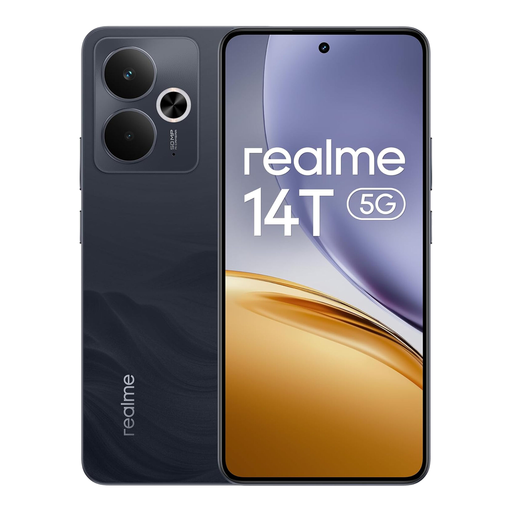
Why This Fits Their Persona: A practical choice for everyday browsing, streaming and commuting, with 256GB storage and a high-refresh AMOLED display.
The listing specifies 5G dual mode, NFC, a 6,000mAh battery and an included 45W adaptor, making key ownership details clear.
6.67-inch 120Hz AMOLED display, IP69 rating, 256GB storage and 50MP rear camera.
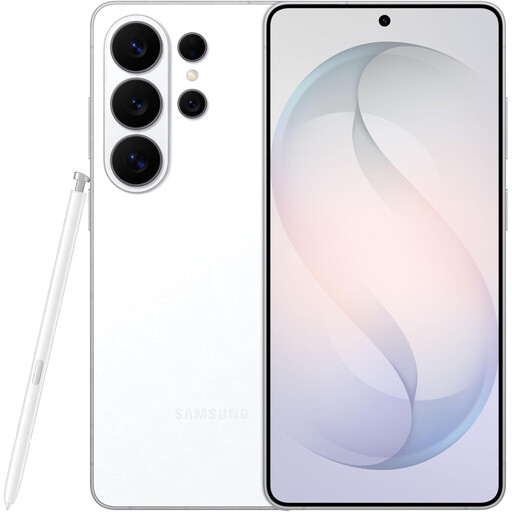
Why This Fits Their Persona: Suits buyers seeking a premium display, advanced camera hardware, productivity features and extended software support.
The specification list separates physical RAM, storage, camera lenses and charging details instead of relying on a single headline figure.
200MP quad camera system, QHD+ 120Hz display, S Pen support, NFC and dual SIM capability.
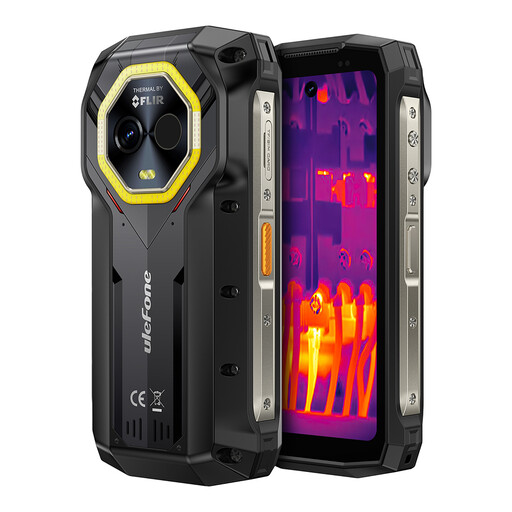
Why This Fits Their Persona: Designed for outdoor work, inspections and users who need a compact phone with additional protection.
It states IP68, IP69K and MIL-STD-810H protection, while also listing the battery, charging methods and dual SIM configuration.
Built-in thermal imaging, 6,200mAh battery, 256GB storage, NFC and microSD expansion support.

Why This Fits Their Persona: A suitable option for users who value computational photography, AI tools and a clean Android experience.
Its listing identifies the separate wide, ultra-wide and telephoto cameras, plus the update commitment and charger requirements.
16GB RAM, 50MP/48MP/48MP camera system, 120Hz OLED display, IP68 rating and Qi2 wireless charging support.
We have compiled a complete, real-time list of products that fully satisfy these strict selection criteria and UK safety regulations.
Usually, but check the phone’s supported network bands and SIM type before purchase. Insert a physical SIM or scan the eSIM activation details supplied by your network, then confirm the APN settings if mobile data does not connect automatically.
A phone may remain physically usable for several years, but its practical lifespan depends on battery condition, software updates, storage and repair options. Check the manufacturer’s stated security-support period and choose sufficient storage to avoid replacing the device prematurely.
A 5G phone does not automatically require an expensive tariff. However, 5G data usage can increase when faster speeds encourage higher-resolution streaming or larger downloads. Compare your network’s data allowance, coverage and contract terms rather than judging running cost from the handset alone.