
24/7 Customer Support

Free returns

Same-day & Next-day Delivery

Quality Guaranteed

Unlock Your Welcome Offers: FREE Delivery | Up to 80% OFF | Free 30-day JoyPlus trial
Download the APP
Buying a new phone can quickly become confusing. Marketing often focuses on camera megapixels, artificial intelligence and charging speeds, while leaving out details that affect everyday use. A phone may have an impressive specification sheet but still be unsuitable if the storage is too limited, the charger is not included or the network version does not match your needs.
This guide explains the practical checks to make before buying 5G smartphones, including Samsung Galaxy phones, Apple iPhone models, Google Pixel smartphones, SIM-free smartphones and foldable smartphones.
5G describes mobile network connectivity, not the overall speed of the phone. A handset with 5G may still feel slow if it has limited RAM, an entry-level processor or poor software support. Your experience also depends on local network coverage, your mobile plan and signal strength.
For smooth browsing, streaming and gaming, check the processor, RAM and display refresh rate alongside 5G support.
A 200MP or 50MP camera does not guarantee better photos in every situation. Lens selection, optical image stabilisation, aperture, image processing and video features also matter. A phone with an ultra-wide camera may be more useful for travel, while a telephoto lens can help with distant subjects without relying heavily on digital zoom.
If you take photos in dim British weather or indoors, look for features such as optical image stabilisation, wide apertures and dedicated low-light modes.
Many current smartphones do not include a power adapter. You may need to budget for a compatible USB-C charger, particularly if you want to use a phone’s fastest charging speed.
Storage is another common source of regret. 128GB may suit light users who mainly stream content, but frequent photographers, gamers and content creators may prefer 256GB or 512GB. Some models do not support a memory card, so storage cannot be expanded later.
A 120Hz display can make scrolling, gaming and animations appear smoother than a 60Hz panel. Adaptive refresh rates can also reduce power use when a higher rate is unnecessary.
Brightness is important for commuting, outdoor photography and reading directions. For example, the Samsung Galaxy S26 Ultra lists a 6.9-inch QHD+ Dynamic AMOLED 2X display, adaptive 1–120Hz refresh rate and a stated peak brightness of 2,600 nits. Screen size remains a personal choice: larger displays help with editing and streaming, while compact phones are easier to use one-handed.
Battery capacity is measured in mAh, but capacity alone does not determine endurance. Screen brightness, processor efficiency, 5G use, gaming and background apps all affect battery life.
Check the manufacturer’s stated video playback figure as a useful comparison, while remembering that real-world results vary. Also confirm the charging standard and whether the adapter is supplied. Several Samsung Galaxy phones listed here include a USB-C cable but not a charger.
For regular travel or outdoor use, look for an IP68 rating, while recognising that water resistance is not permanent and does not make a phone suitable for saltwater or wet charging.
Software support can influence how long a phone remains practical and secure. Google Pixel smartphones such as the Pixel 10 Pro list seven years of software updates, while the Samsung Galaxy A37 5G lists six years of software and security updates.
For flexibility, check whether the device supports Nano-SIM, eSIM or Dual SIM. An eSIM-compatible phone can be useful when travelling, changing networks or keeping personal and work numbers separate. Browse the wider eSIM-compatible mobile phone range if this is important to you.
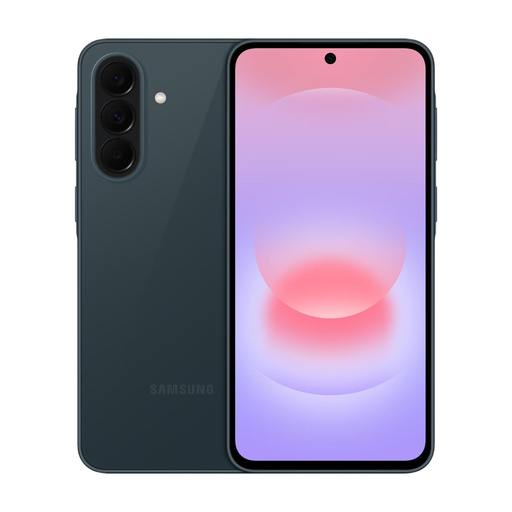
Why This Fits Their Persona: A practical SIM-free choice for browsing, social media, streaming and everyday photography without paying for flagship hardware.
It combines 5G, a 120Hz Super AMOLED display and a 5,000mAh battery, rather than relying on connectivity claims alone.
50MP main camera with OIS, IP68 resistance and a listed six-year software and security update period.
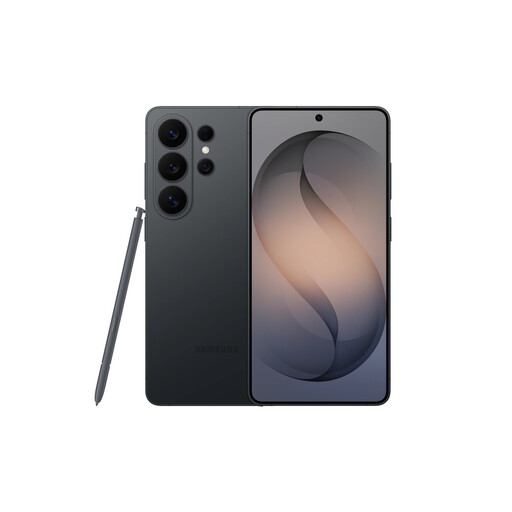
Why This Fits Their Persona: Suits photographers, professionals and power users who want extensive storage, a large display and advanced Android features.
Its specification covers more than headline camera resolution, with 3x and 5x optical zoom, IP68 protection and a 1–120Hz display.
512GB storage, built-in S Pen, 200MP main camera, 5,000mAh battery and Privacy Display functionality.
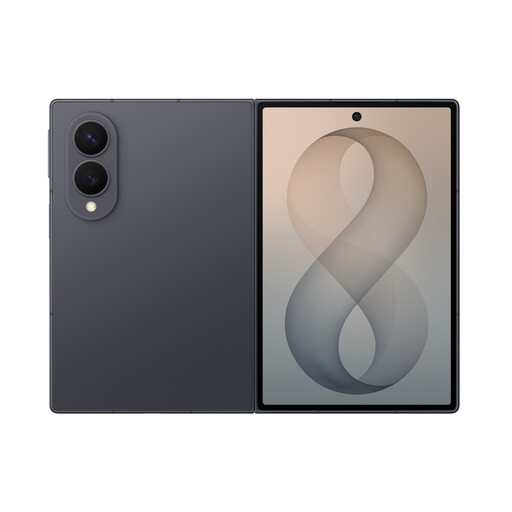
Why This Fits Their Persona: Designed for multitasking, reading, document work and content consumption when a conventional phone screen feels restrictive.
The foldable design provides a 7.6-inch main screen and multi-window views, while the cover screen remains suitable for quick tasks.
256GB storage, 4:3 unfolded display, 4,800mAh battery and dual 50MP rear cameras.
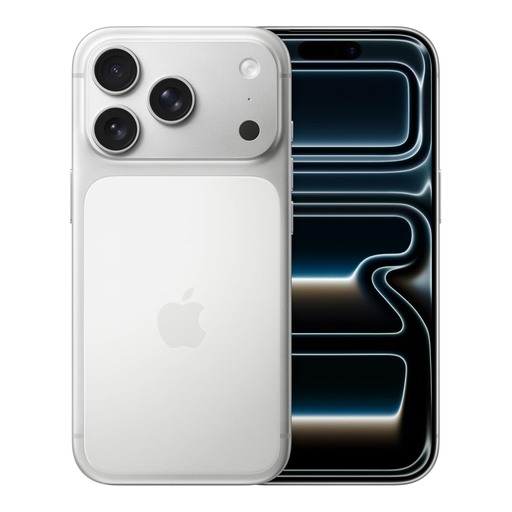
Why This Fits Their Persona: A suitable route for iPhone users who prioritise iOS, Apple Intelligence, video recording and a compact professional format.
It pairs three 48MP rear cameras with optical-quality zoom, rather than presenting one high megapixel figure in isolation.
6.3-inch display, A19 Pro chip, 120Hz refresh rate, 5G, eSIM support and USB-C connectivity.
We have compiled a complete, real-time list of products that fully satisfy these strict selection criteria and UK safety regulations.
Not always. Many existing SIM cards can connect to 5G if your mobile provider, plan and local coverage support it. Check your network’s requirements before upgrading. A SIM-free phone gives you more choice, but it does not include mobile service.
A phone can remain usable for several years, but practical lifespan depends on battery condition, software support, storage and physical wear. Check the stated update period, choose sufficient storage and use a certified charger. IP68 protection helps with everyday exposure but does not prevent all damage.
5G itself may not significantly increase your bill, but your tariff determines the monthly cost. Higher data use from video streaming, cloud backups and hotspot use can affect your allowance. Review network coverage and data limits before choosing a contract or SIM-only plan.